Plan your trip
Kota vs Bundi: Which to Visit, Where to Stay, How to Pair
Written by Kota Rajasthan Editorial Team · Updated
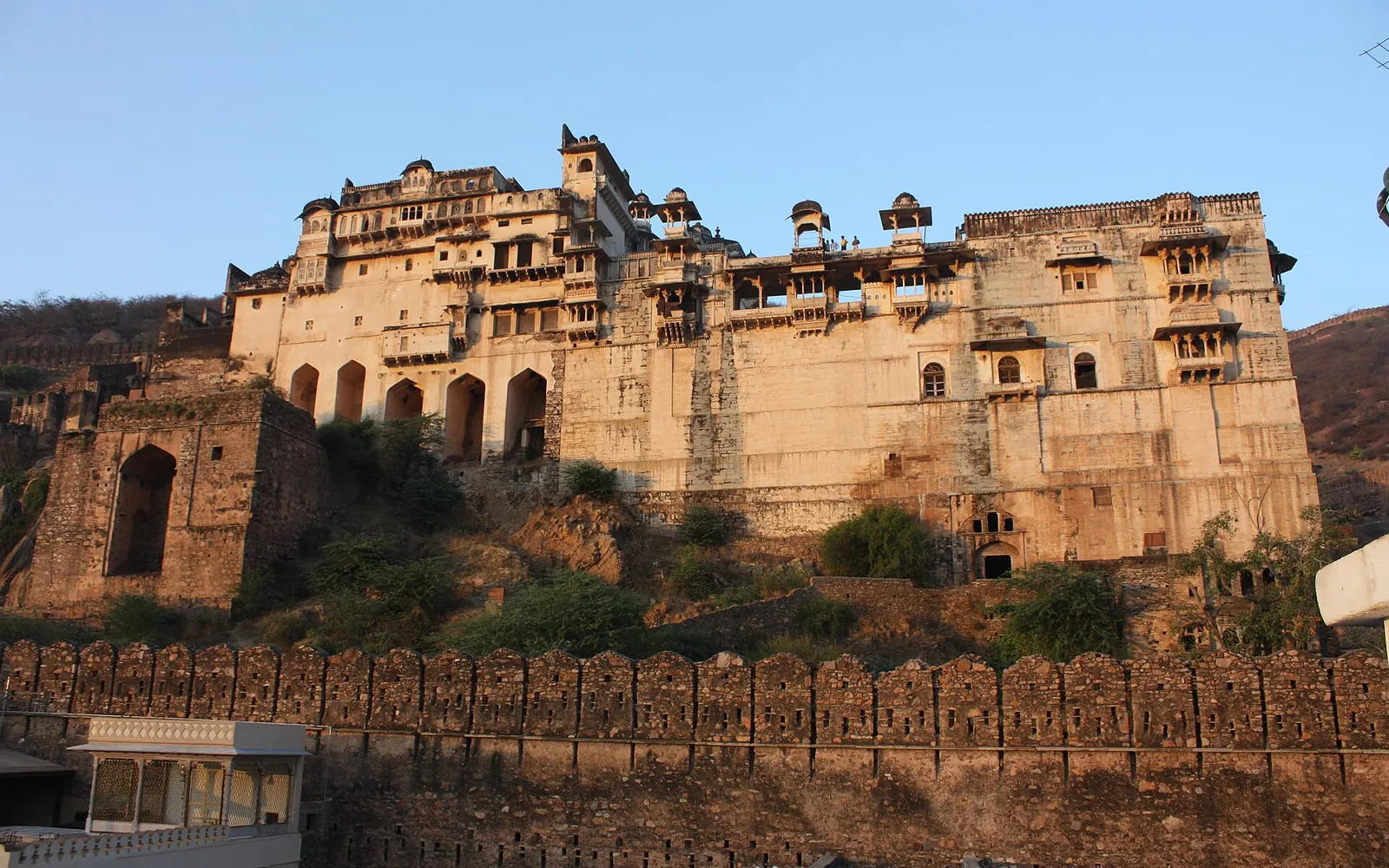
Kota vs Bundi is one of the first questions people ask when they plan a trip to Hadoti, Rajasthan’s south-eastern corner. The two towns were once rival Hada Rajput states, they sit only about 36 km apart, and they are so different in character that the best answer is usually “both, in the right order”. This guide compares them honestly, so you can decide where to base yourself, how many days to give each and which one fits what you actually want to see.
The short answer
If you have one free day and love old palaces, murals and stepwells, go to Bundi. If you want a river, wildlife, good train connections and a base for wider Hadoti, stay in Kota. If you have two or three days, use one town as your base and visit the other; they complement each other rather than compete.
A shared history, two different towns
Bundi is the older seat. Rajasthan Tourism and the standard histories date the Hada rule of Bundi to the 13th century, and Kota grew out of a grant made to a younger branch of the Bundi house in the 17th century. Our history of Bundi and history of Kota pages tell the full story, including the long rivalry and the rulers of Kota who built the city’s palaces.
That history shows on the ground. Bundi stayed small, wedged into a valley under the Taragarh hill, so its old town is compact and walkable. Kota sat on the Chambal, became a princely capital and then, after independence, an industrial and education city. Today Kota is the much larger and busier place; Bundi is a district town where the old centre still sets the tone.
Kota vs Bundi at a glance
| Kota | Bundi | |
|---|---|---|
| Feel | Large, busy city on a river | Small old town in a hill valley |
| Signature sight | Garh Palace and Rao Madho Singh Museum | Garh Palace, Chitrashala murals, Taragarh |
| Water | The Chambal river, Kishore Sagar | Stepwells, Nawal Sagar, Jait Sagar |
| Nature | Chambal boat trips, Garadia gorge, Mukundara | Bhimlat falls, Ramgarh Vishdhari reserve |
| Transport | Major railway junction | Smaller station; road links to Kota |
| Best for | Base for Hadoti, wildlife, onward trips | Slow heritage stay, art, photography |
What Bundi does best
Palaces and painting. The Bundi Palace climbs the hillside in tiers, and its Chitrashala holds some of the best-known wall paintings in Rajasthan. If painting interests you, read about the Bundi school of painting before you go; it makes the murals far easier to read.
Stepwells. Bundi is famous for its baoris and kunds. Raniji ki Baori is the showpiece, and our guide to the stepwells of Bundi covers the others, including the twin Nagar Sagar kunds in the market.
Lakes and literary history. Nawal Sagar sits below the palace, and Jait Sagar with the Sukh Mahal is linked with Rudyard Kipling’s stay, told in Kipling in Bundi.
Walking. Most of Bundi’s main sights are close enough to walk between in a day, which is rare in Rajasthan. Early mornings in the old town lanes are a big part of the appeal.
What Kota does best
The Garh Palace and its museum. Kota’s Garh Palace is large and less crowded than the famous palaces of Jaipur or Udaipur, and the Rao Madho Singh Museum inside has painting, arms and royal objects. The Kota school of painting, known for its hunting scenes, makes a natural comparison with Bundi’s murals.
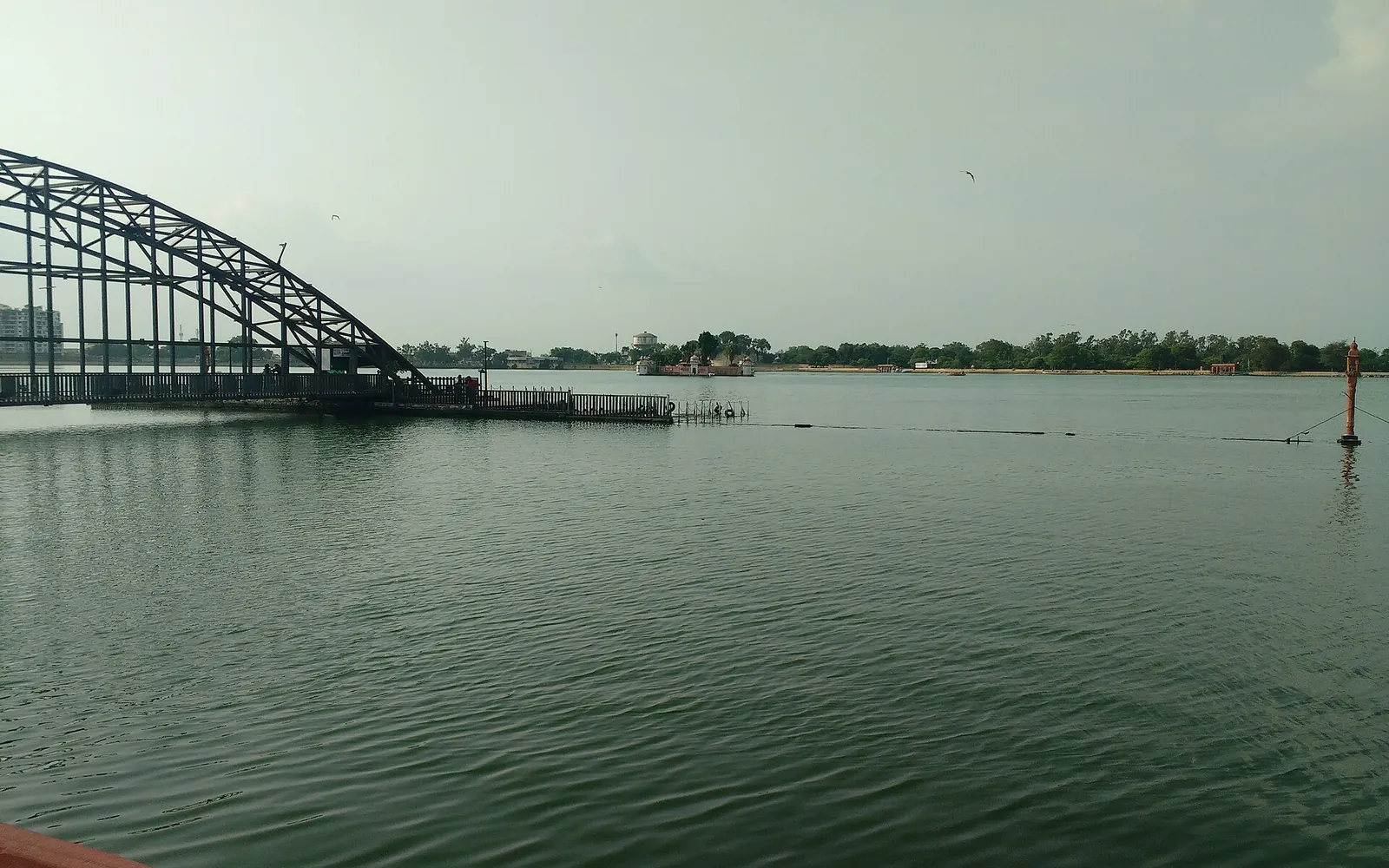
The Chambal. Kota is a river city. The Chambal river runs through it, the Kota Barrage and the riverfront are in town, and boat trips into the National Chambal Sanctuary give you a chance to see gharials and river birds. Bundi has nothing comparable.
Wildlife and landscapes. From Kota you can reach the gorge viewpoint at Garadia Mahadev and the forests of Mukundara Hills. Bundi has its own nature, especially Bhimlat waterfall in and after the monsoon and the Ramgarh Vishdhari reserve, but Kota is the better hub for wildlife.
Food and crafts. Kota is known for its kachori and street food (see Kota kachori) and for Kota Doria weaving at Kaithoon, covered in our Kota Doria guide.
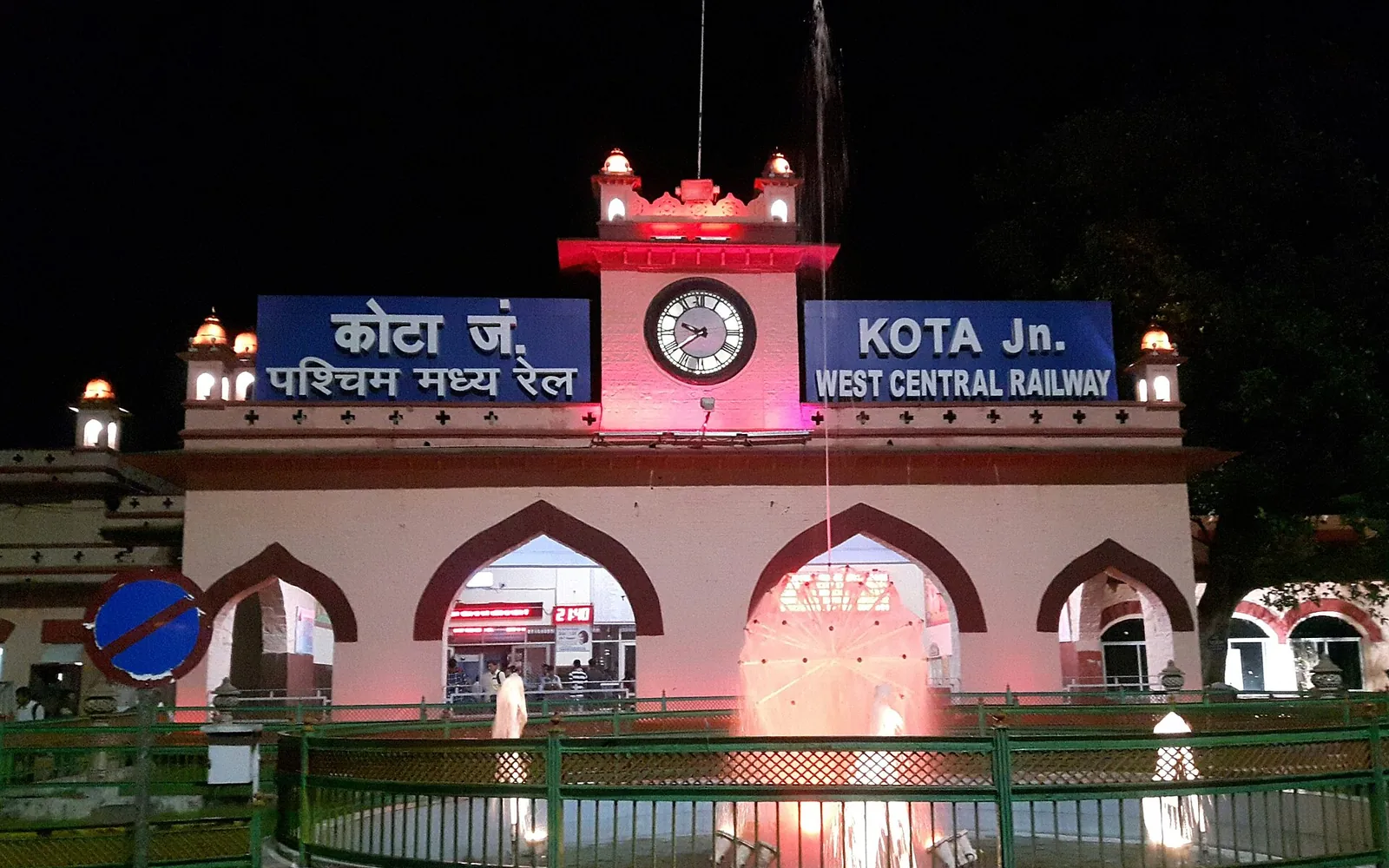
Connections. Kota Junction is a major railway station, which makes Kota the natural arrival point. From here it is easy to continue to Jhalawar, Baran, Ranthambore or Chittorgarh.
Where to stay
Choose Bundi if you want atmosphere: heritage guesthouses and havelis in the old town, rooftop views of the palace, and quiet evenings. It works best when you are travelling slowly and do not need fast onward connections.
Choose Kota if you are arriving or leaving by train, want a wider choice of hotels, plan an early Chambal boat trip or Mukundara safari, or are continuing deeper into Hadoti. Kota is also the practical base during big events such as the Kota Dussehra Mela.
We do not list or rate hotels; check recent independent reviews and the official tourism sites before booking.
How many days for each
- One day: pick one town. Bundi gives the most heritage per hour; Kota suits you if you want the river. Our 1 day in Kota plan shows how to fit in the essentials.
- Two days: one day in each town. See the 2 days in Kota itinerary or the weekend in Bundi guide.
- Three days or more: add the Chambal, Garadia or Mukundara from Kota, and stay a night in Bundi for the sunset and early morning. The 3 days in Kota plan already includes a Bundi day.
When to go
Both towns share the same climate: hot summers, a monsoon from about July to September and a cool, dry season from October to March, which is the best time for sightseeing (see best time to visit Kota). Festivals can tip the balance. The Bundi Utsav brings music and events to Bundi in November, and Kajli Teej is Bundi’s monsoon festival. Kota’s big event is the Dussehra fair. The festivals in Kota and Hadoti calendar lists them together.
Getting between Kota and Bundi
The 36 km road journey is short. Buses and shared or private taxis run between the two towns, and there are trains on the Kota-Bundi line; check current times on the Indian Railways enquiry system rather than relying on old timetables. If you have only a few hours in Bundi, a taxi gives the most flexibility.
Verdict
Kota vs Bundi is not really a contest. Bundi is the jewel box: small, painted and photogenic. Kota is the working river city that opens the door to the Chambal, the forests and the rest of Hadoti. Most visitors will enjoy the region most by sleeping in one and spending a full day in the other. If you only remember one thing, give Bundi a morning and Kota an evening by the river.
Frequently asked questions
Is Bundi better than Kota for tourists?
For a first-time heritage visitor Bundi usually feels more rewarding per hour: the palace, murals, stepwells and lakes are packed into a small old town you can walk. Kota has more variety (the Chambal, gharial country, Mukundara, the Garh Palace museum) and better transport, so the honest answer is that they suit different parts of the same trip.
How far is Bundi from Kota?
Bundi is about 36 km from Kota by road, an easy half day or day trip by bus, taxi or train.
Should I stay in Kota or Bundi?
Stay in Bundi if you want old-town atmosphere and slow mornings by the lakes. Stay in Kota if you arrive by train, plan a Chambal boat ride or a Mukundara safari, or want to continue to Jhalawar, Baran or Chittorgarh.
Can I see Kota and Bundi in one day?
You can see the highlights of one and a taste of the other, but it is rushed. Two days, one for each town, is the comfortable minimum; three lets you add the Chambal and a Bundi sunset.
When is the best time to visit Kota and Bundi?
October to March is cool and dry. November is especially busy because of the Bundi Utsav and the Kota Dussehra Mela season; the monsoon brings waterfalls but some sites are harder to reach.
Sources
Editorial team
The KotaRajasthan.net team writes about the places, history and festivals of Kota and Hadoti, and corrects pages when readers point out changes.