Lakes and viewpoints
Kota Barrage: History, Monsoon Gate Openings and Safety
Written by Kota Rajasthan Editorial Team · Updated
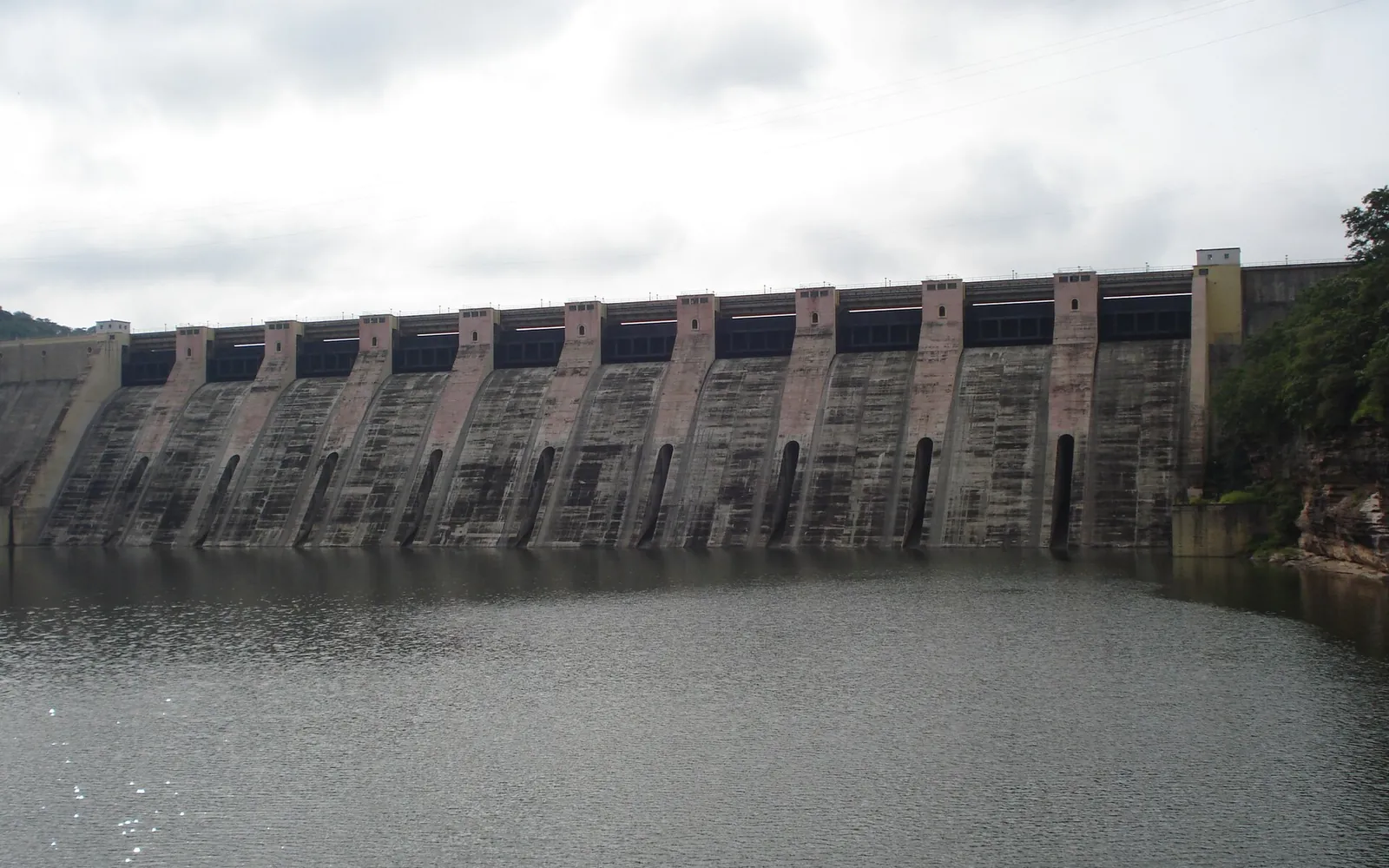
The Kota Barrage is one of the defining engineering landmarks of the city, the last of the four structures of the Chambal Valley Project as the river makes its way through Kota. Its long line of gates holds back the Chambal to feed irrigation canals across Rajasthan and Madhya Pradesh, and the sight of the water pouring through when the gates are lifted in a good monsoon is genuinely dramatic.
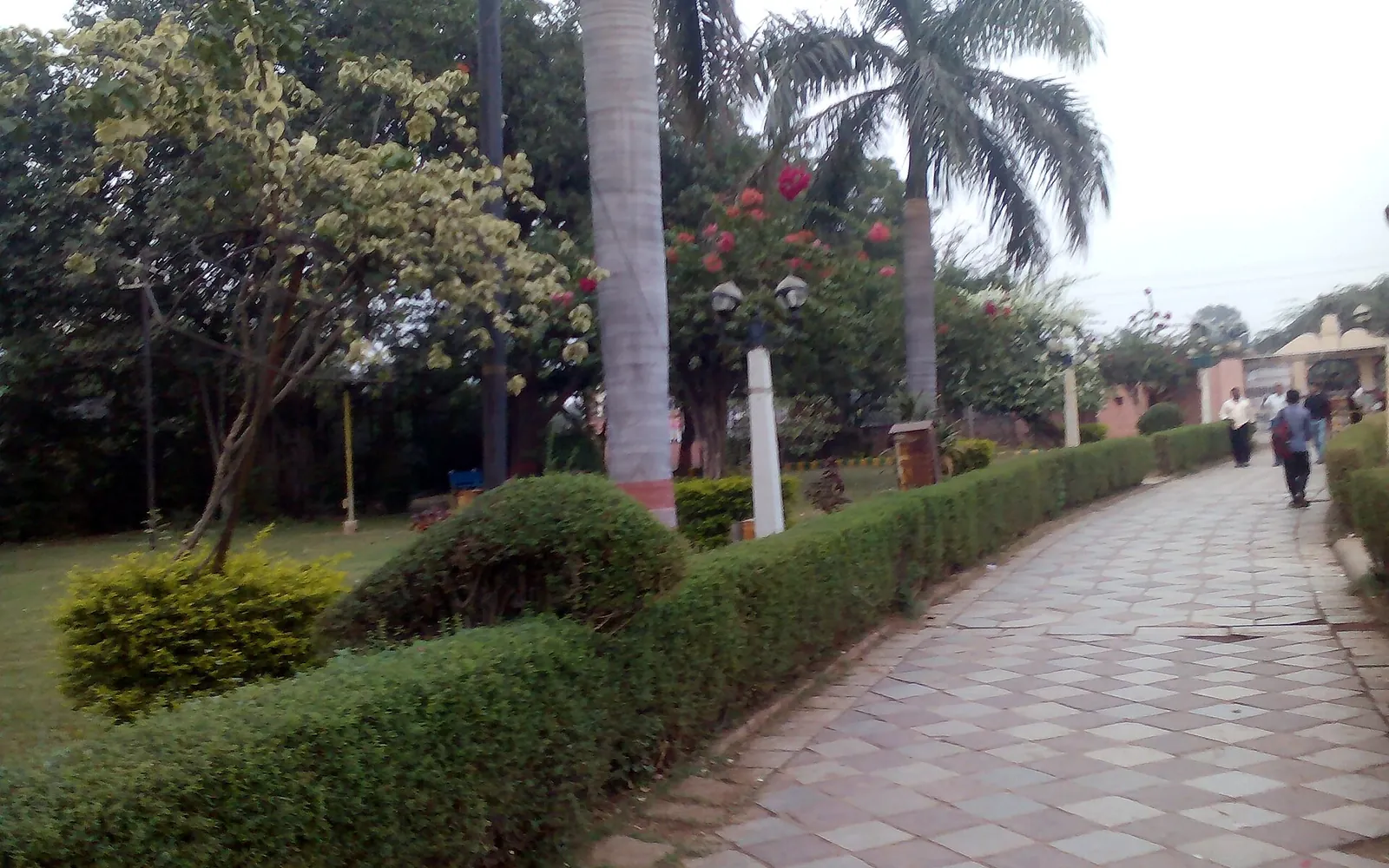
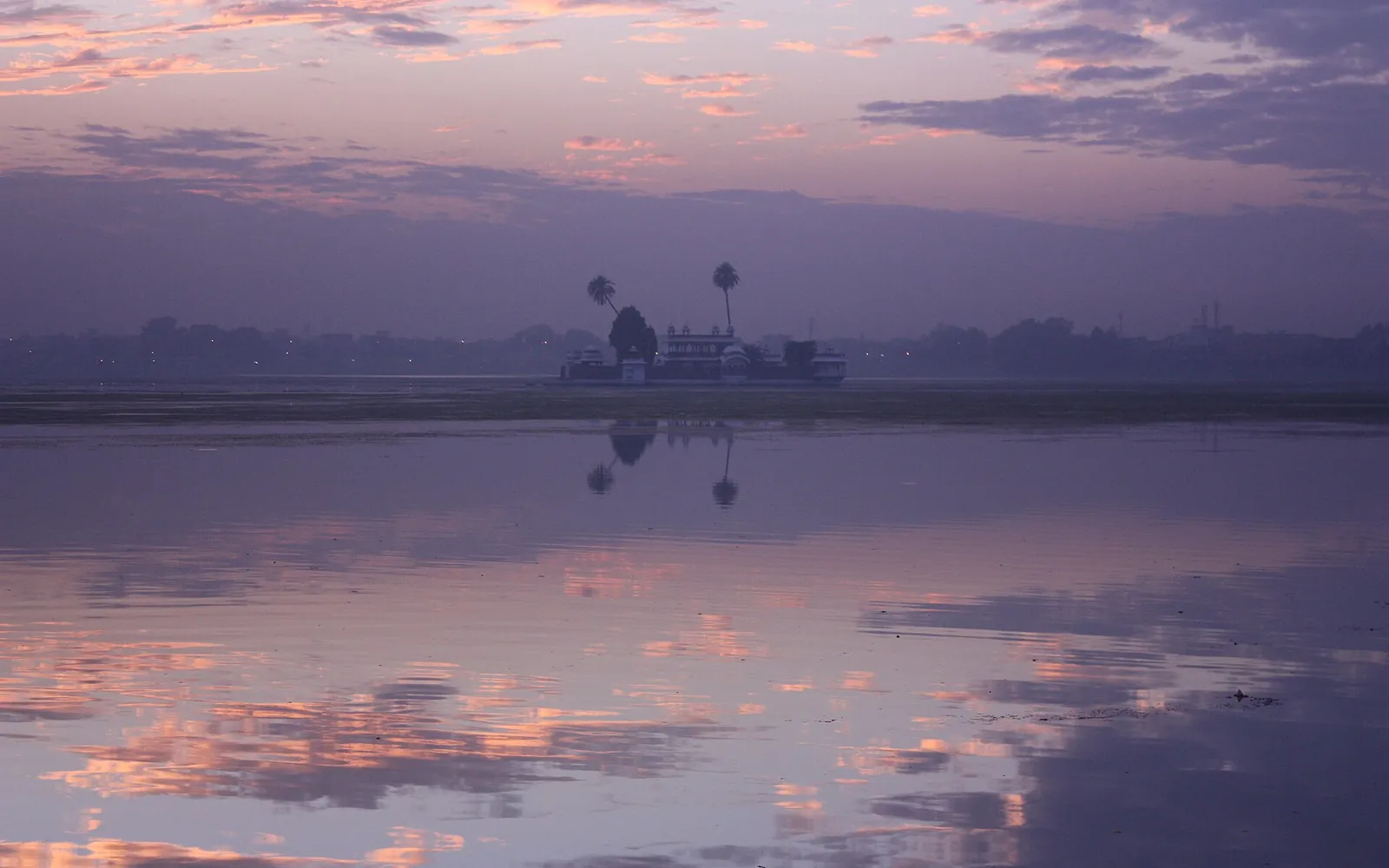
For visitors it is an easy, breezy stop, wide river views, cool air off the water, and the steady rhythm of the barrage against the backdrop of the Chambal’s green banks. It pairs naturally with the nearby Chambal Garden and the riverfront developments downstream.
Photographers love the scale of it, especially in the golden hour, while families come simply to enjoy the open water and the drive out along the river.
History of Kota Barrage
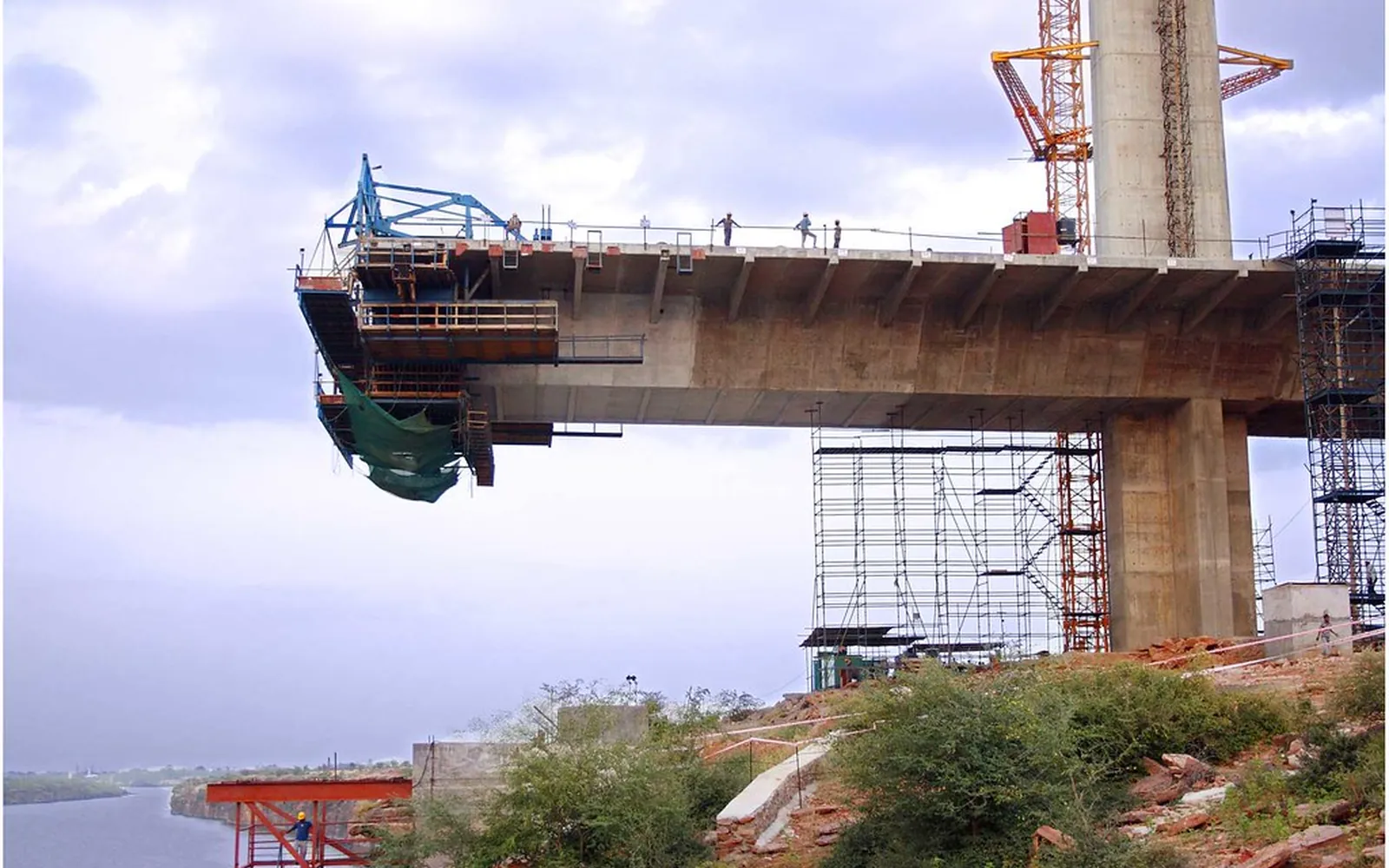
The Kota Barrage was built in the first stage of the Chambal Valley Project, a joint scheme of Rajasthan and Madhya Pradesh under India’s First Five-Year Plan. Work started in 1953-54, at the same time as the Gandhi Sagar Dam upstream, and the barrage began functioning in 1960. It stands where the Chambal leaves its gorge and enters the plains, about 104 km below Gandhi Sagar.
Unlike the three dams upstream (Gandhi Sagar, Rana Pratap Sagar and Jawahar Sagar), the barrage does not generate power. It is an earth and masonry structure with a concrete spillway and 19 gates, and its job is diversion: it raises the river enough to feed a right main canal and a left main canal. The canal, branch and distributary system runs to roughly 2,342 km, and the water received at the barrage is shared equally between Rajasthan and Madhya Pradesh. The barrage also carries a road linking the two banks of the city.
Its construction was also part of what turned Kota into an industrial city. Reliable water and power from the project drew fertiliser, chemical and engineering plants to the banks of the newly regulated river; our page on modern Kota follows that story.
When the gates open
In a strong monsoon, heavy rain in the upper catchment fills the reservoirs upstream, and water is released through the dams and then through the barrage gates. Crowds gather on the road and the banks to watch. The releases are controlled by the water resources department, and the timing depends on rainfall upstream, so there is no fixed schedule; local news usually reports when gates are being opened.
Safety: releases can raise the river level downstream very quickly. Never bathe, wash or stand on rocks in the riverbed below the barrage during the monsoon, obey police and staff instructions, and do not stop on the barrage road where it is not allowed.
What to see at Kota Barrage
- Long line of flood gates across the Chambal
- Spectacular releases during a strong monsoon
- Wide river views and cool breezes
- Golden-hour photography of the water
- Close to Chambal Garden and the riverfront
- Insight into the Chambal Valley Project
Visiting Kota Barrage: practical details
| Detail | Information |
|---|---|
| Where | Kota city |
| Distance from Kota | About 5 km |
| Best time to visit | July to September to see the gates open; October to March for pleasant weather |
| Timings | Best viewed in daylight; the road along it stays open |
| Entry | Free |
| Getting there | About 5 km from the city centre along the Chambal; reached by auto, taxi or own vehicle. |
Distances are approximate road distances. Timings and entry charges change from season to season, so confirm them locally or with the district tourist office before you set out.
Combine Kota Barrage with nearby places
- Chambal Garden: A well-loved riverside garden on the banks of the Chambal, known for its pond, boating and glimpses of gharials and crocodiles.
- Kota Chambal Riverfront: A grand, kilometres-long riverfront along the Chambal, opened in 2023, promoted by its builders as the world’s largest and lined with monumental stone art.
- Chambal River: The mighty Chambal, one of India’s cleanest rivers, flows through Kota and shapes the city’s gardens, riverfront, wildlife and daily life.
- National Chambal Sanctuary: A protected stretch of the clean, clear Chambal River, home to gharials, muggers, river dolphins, turtles and abundant birdlife.
Frequently asked questions
How do I get to Kota Barrage from Kota?
About 5 km from the city centre along the Chambal; reached by auto, taxi or own vehicle.
When is the best time to visit Kota Barrage?
July to September to see the gates open; October to March for pleasant weather.
What are the timings and entry charges for Kota Barrage?
Timings: Best viewed in daylight; the road along it stays open. Entry: Free. Both change, so check locally before you go.
When was Kota Barrage built?
Construction began in 1953-54 as part of the first stage of the Chambal Valley Project, and the barrage started functioning in 1960.
How many gates does Kota Barrage have?
19 gates on a concrete spillway. When heavy monsoon rain fills the dams upstream, some or all of them are opened to release water.
Sources
Editorial team
The KotaRajasthan.net team writes about the places, history and festivals of Kota and Hadoti, and corrects pages when readers point out changes.