Modern Kota
Kota Chambal Riverfront: a guide to the ghats and gates
Written by Kota Rajasthan Editorial Team · Updated
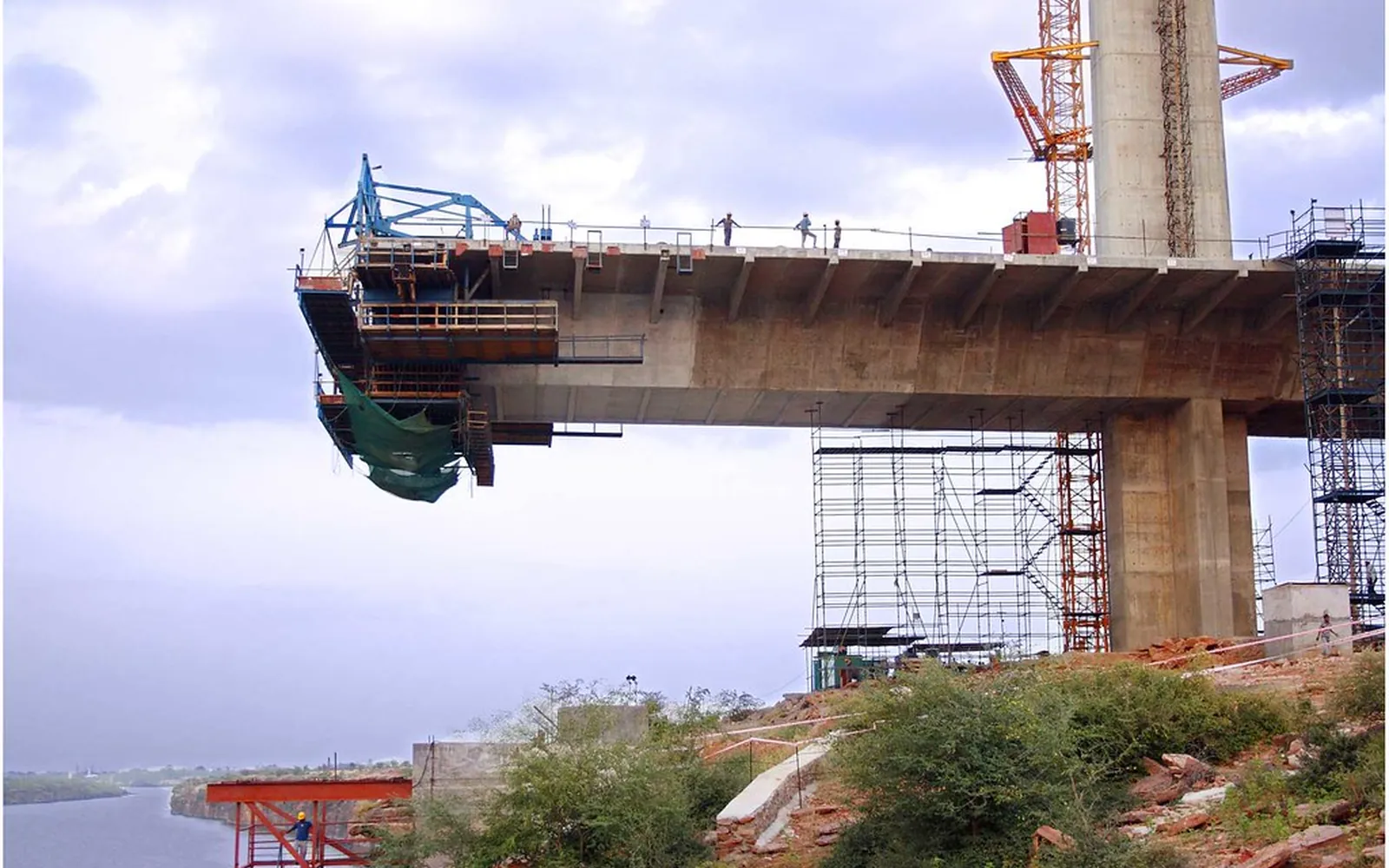
The Kota Chambal Riverfront is a long promenade of ghats, gates and sculpture built along both banks of the Chambal in the heart of the city. For decades the river ran past Kota almost unseen behind walls, scrub and old industrial land. The riverfront project, opened to the public in 2023, turned that edge into the city’s biggest public space and its most visited attraction.
It is not a quiet park. The idea was to make the bank an open-air gallery, with each ghat and gate built around a theme, and everything at a monumental scale. Some visitors love it, some find it over the top, and almost everyone takes a lot of photographs.
What you will see
- The themed ghats. The core of the riverfront is a long run of ghats, each designed around a theme, style or region of India, so a walk along the water passes through very different architecture and stone carving.
- The gates. Large carved gateways mark the entrances and the transitions between sections, built in the tradition of Rajasthani sandstone work.
- Chambal Mata. The river is honoured as a mother goddess, and a large statue of Chambal Mata is one of the focal points of the project.
- Sculpture. Larger-than-life figures from mythology and Indian history line the banks.
- The giant bell. A huge bell was planned as one of the signature landmarks and was promoted as among the largest in the world; check locally on its current status.
- Fountains and lights. After dark the ghats are illuminated, and musical fountains run at set times in the evening.
Why the riverfront was built
The project was part of a wider push between roughly 2018 and 2023 to give Kota a new public face, alongside Oxygen City Park and the flyovers and underpasses of the signal-free road plan. The aim was to reclaim the river for the public, give the city a tourism identity beyond coaching and industry, and create work for the craftspeople who carved it. The wider story is told in modern Kota development.
When to go
Late afternoon into the evening is the best time. Arrive about an hour before sunset to see the stonework in warm light, watch the sun go down over the Chambal, then stay for the illumination. October to March is the most comfortable season. From April to June the open stone gets very hot in the afternoon. In the monsoon, check that sections near the water are open, as the river can rise quickly when dam gates upstream are opened.
Weekends and holidays are crowded. A weekday evening gives you more space.
Tickets, timings and boat rides
An entry ticket applies, and boat rides on the Chambal are charged separately. Both the rates and the opening hours have been revised more than once since the riverfront opened, so we do not print figures here. Check at the ticket counter, or with the Kota Development Authority, before you plan your day around a particular time.
A boat ride is worth it if it is running: from the water you can see the scale of the gates and ghats in a way the promenade does not show.
Practical tips
- Wear comfortable shoes. The distances are long and mostly on stone.
- Carry water, especially outside winter. Shade is limited on the open ghats.
- Do not climb on sculptures or railings; guards will stop you, and the carving is the point.
- Photographers get the best light in the hour before sunset and the blue hour after it.
- Keep well back from the water’s edge during the monsoon.
Build a day around the river
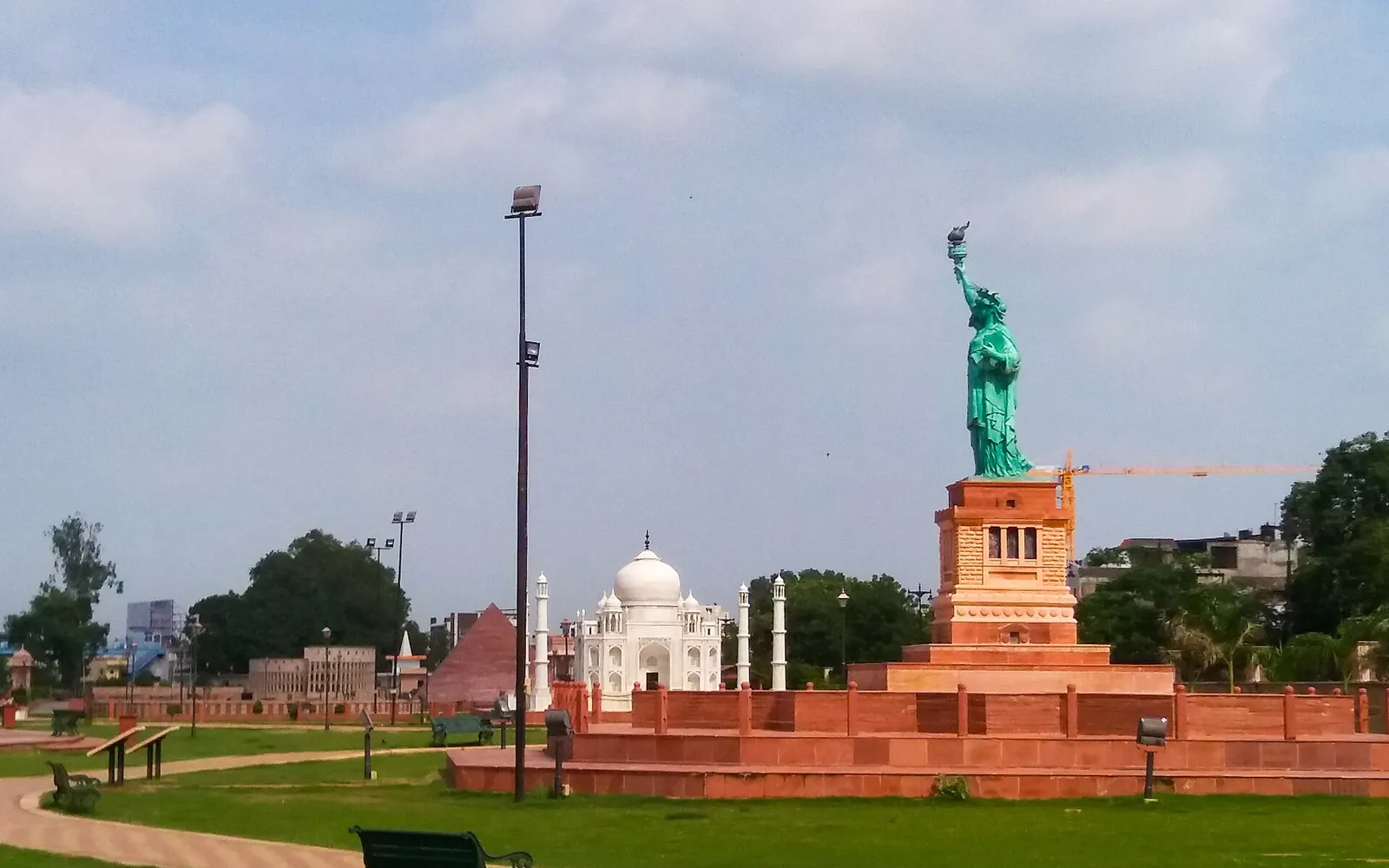
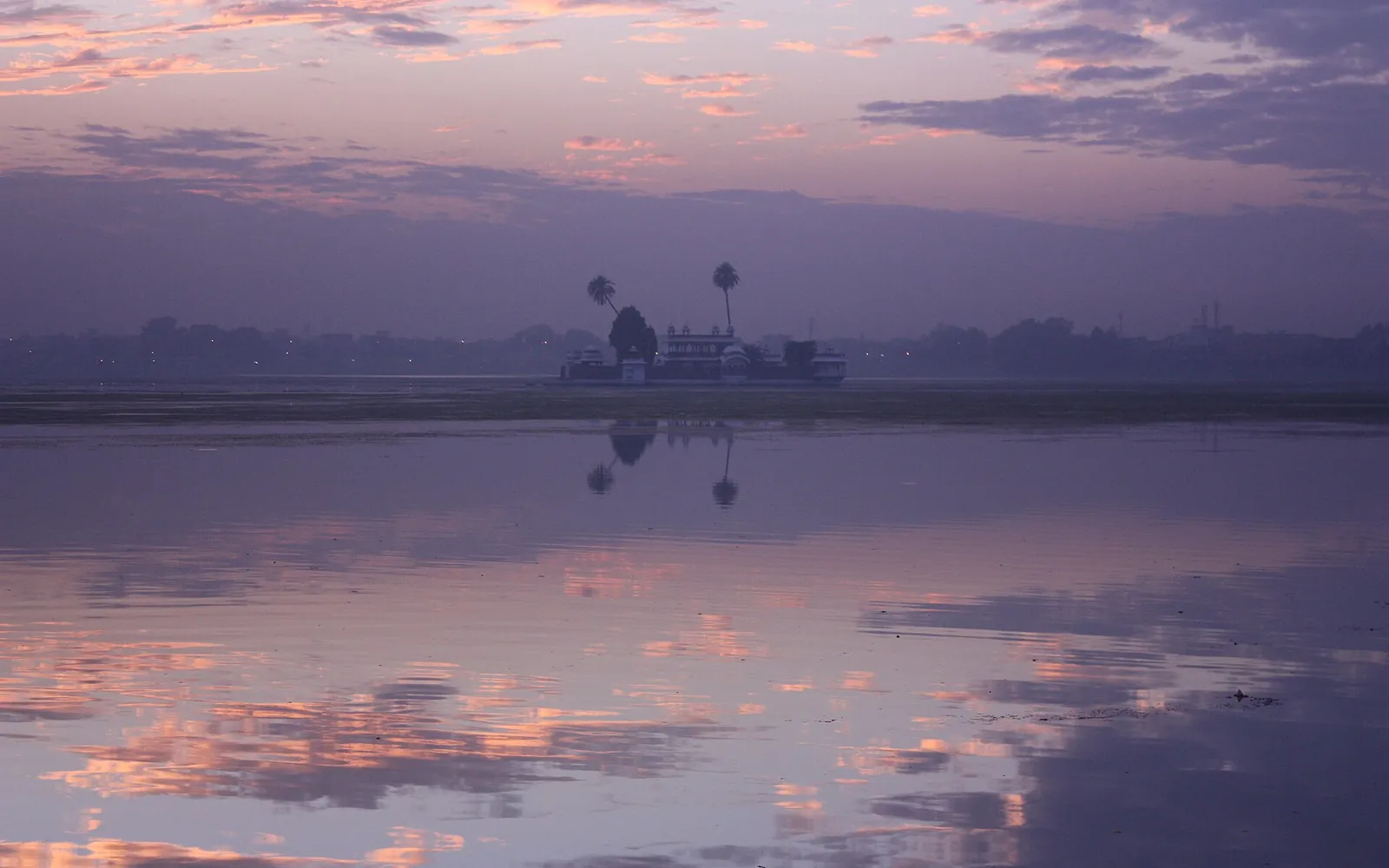
The riverfront works best as the end of a full day in Kota. Spend the morning at Garh Palace and its museum, have lunch, see Kishore Sagar with the island pavilion of Jagmandir and the replicas at Seven Wonders Park, then reach the river as the light softens. Chambal Garden and the Kota Barrage are also close by. For a ready-made plan, see 2 days in Kota.
If you want the river in its wild state rather than its sculpted one, go upstream to the gorge at Garadia Mahadev or take a Chambal river safari to look for gharial.
Frequently asked questions
Is Kota Riverfront really the largest in the world?
That is how the project was promoted by the Rajasthan government and its developers. We have not seen an independent ranking, so treat it as a claim. It is certainly very large, with several kilometres of ghats and gates on both banks.
What is the best time to visit Kota Riverfront?
Arrive an hour before sunset and stay into the evening, when the ghats are lit. October to March is the most comfortable season; summer afternoons are very hot on the open stone.
Is there an entry fee for the Chambal Riverfront?
Yes, an entry ticket applies and boating is charged separately. Rates and timings have been revised since the opening, so check at the gate or with the Kota Development Authority before you go.
How long do I need at the riverfront?
Allow at least two to three hours to walk a good part of it. Seeing both banks properly takes longer, so wear comfortable shoes.
What is near the Kota Riverfront?
Garh Palace, Kishore Sagar with Jagmandir, Seven Wonders Park and Chambal Garden are all a short ride away, which makes it easy to build a full day around the river.
Sources
Editorial team
The KotaRajasthan.net team writes about the places, history and festivals of Kota and Hadoti, and corrects pages when readers point out changes.