Modern Kota
How Kota Became a Traffic-Signal-Free City: The Flyovers and Underpasses Story
Written by Kota Rajasthan Editorial Team · Updated
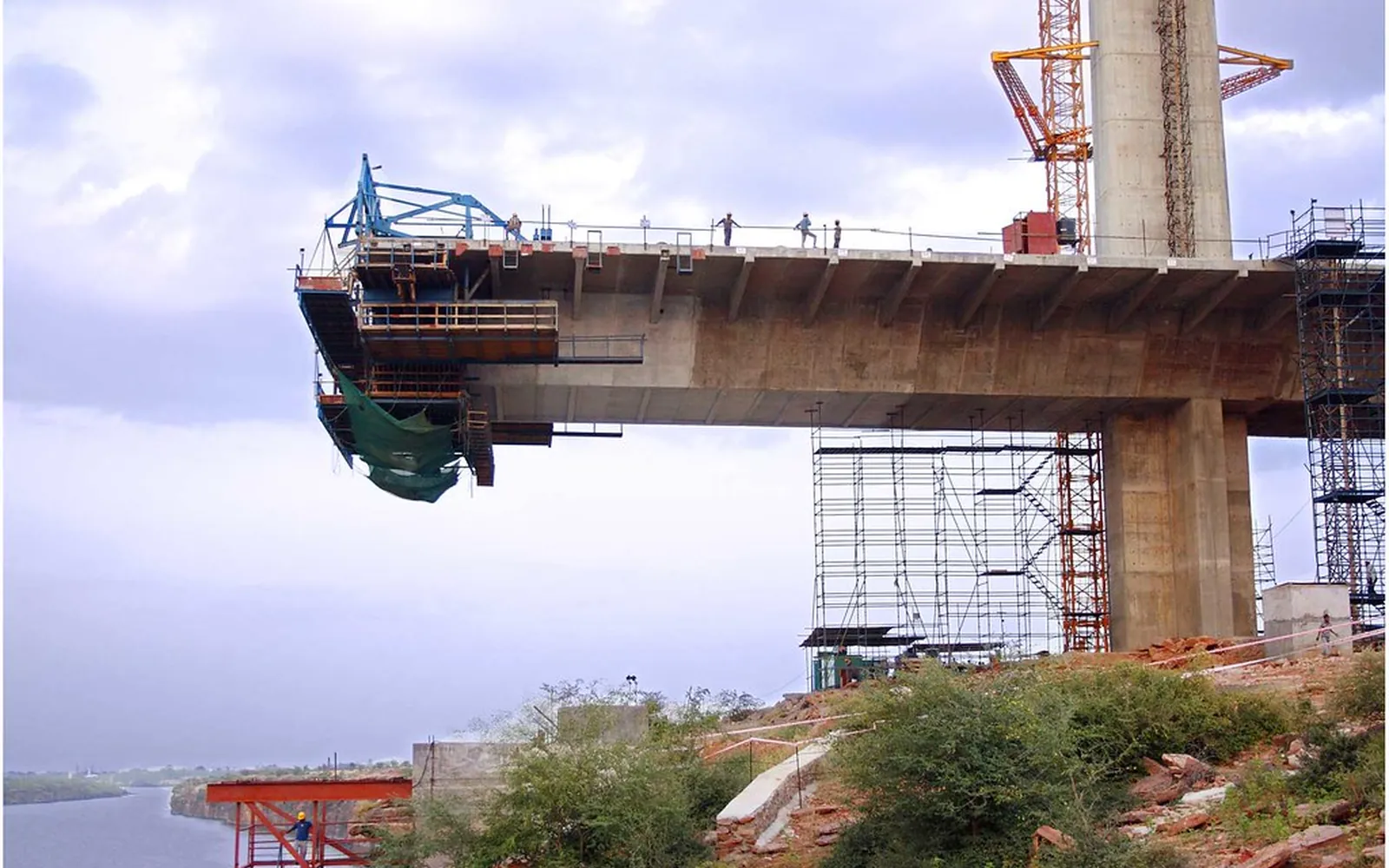
Drive across Kota today and you may notice something unusual for an Indian city of its size: you rarely stop at a red light. Through a concerted push of flyovers, underpasses and elevated corridors, Kota reengineered its major traffic routes to keep vehicles moving, earning a reputation as a largely signal-free city. It is one of the clearest signs of the ambitious makeover the city has undergone.
The problem it solved
As Kota grew, so did its traffic. A rising population, a booming student influx, and increasing vehicle numbers strained a road network never designed for the load. Busy intersections became chokepoints where signals stacked up long queues, wasted fuel and frayed tempers. The city needed a way to move traffic through its key junctions without the stop-start grind of signal lights.
The idea was simple to state and hard to build: take the busiest intersections and remove the reason to stop. Send the traffic over, under, or around, but keep it flowing.
The engineering answer
The solution came in the form of grade-separated infrastructure at major junctions:
- Flyovers and elevated roads that lift through-traffic clear of busy crossings.
- Underpasses that dip main traffic beneath intersections.
- Rotaries and redesigned junctions that keep vehicles moving without a full stop.
By separating the flows at its most congested points, the city cut the need for traffic signals on many of its principal routes, reducing waiting times and easing congestion.
Part of a bigger makeover
The signal-free push did not happen in isolation. It arrived alongside a wave of civic upgrades that transformed Kota’s public face, most famously the monumental Chambal Riverfront, but also new parks, beautified roads, decorative gates and public art. Together these projects reframed Kota from a workaday industrial-and-education town into a city investing seriously in its infrastructure and image.
The benefits for residents and visitors
- Smoother, faster commutes across the city’s main corridors.
- Less idling at junctions, which means lower fuel waste and emissions.
- Easier movement for the thousands of students and workers who cross the city daily.
- A more modern, navigable feel for tourists exploring Kota’s spread-out attractions.
How a signal-free city actually works
The concept sounds simple but the engineering is clever. At a normal intersection, traffic from different directions must take turns, which is why signals exist and why queues form. Grade separation removes the conflict entirely. A flyover carries one stream of traffic up and over the junction while cross-traffic flows underneath undisturbed. An underpass does the reverse, dipping the main flow below the surface. Rotaries and cleverly designed junctions let vehicles merge and diverge in continuous loops rather than stopping dead. When enough of a city’s key junctions are treated this way, the through-routes become continuous ribbons of movement with no reason to halt.
Kota applied this thinking across its most congested corridors, one junction at a time, until a driver could cross large parts of the city without meeting a red light. It is the same principle used in expressways and major urban corridors worldwide, applied at city scale to a mid-sized Rajasthan town, which is exactly what made it notable.
A model watched by other cities
Kota’s signal-free reputation attracted attention well beyond Rajasthan, because congestion is a problem almost every growing Indian city faces. The idea that a town could substantially reduce its dependence on traffic signals through determined investment in flyovers and underpasses offered a tangible example for others to study. It became part of Kota’s growing story as a city willing to spend on ambitious infrastructure, from the riverfront to its roads. Whether the exact model suits every city is debatable, larger metros have far more complex traffic, but as a demonstration of intent and engineering, it put Kota in the conversation about urban mobility.
The honest caveats
No transformation is perfect. Signal-free corridors work best where they are matched by good pedestrian crossings, service lanes and driver discipline. Pedestrians and cyclists need safe ways to cross fast-moving roads, and construction on this scale brings its own disruption. The measure of success is not just fewer signals but safer, more inclusive streets, an ongoing balancing act as the city keeps growing.
What it means for the everyday city
Beyond the headlines, the real test of the signal-free project is how it feels in daily life. For the parent driving a child to coaching class, the delivery rider crossing town, the ambulance racing to hospital, or the tourist heading from the station to the riverfront, smoother junctions translate into saved minutes and less frustration across thousands of trips every day. Reduced idling also means less fuel burned and cleaner air at what were once perpetually clogged crossings. Of course, faster roads place a premium on discipline and on safe crossings for those on foot and on two wheels, which is why the city’s continued attention to pedestrian infrastructure matters as much as the flyovers themselves. Done well, the payoff is a city that simply works better for everyone who moves through it.
A city on the move
Kota’s signal-free reputation is a neat symbol of its larger ambition. Combined with the riverfront and the green makeover, it tells the story of a city determined to modernise, to move faster and look better while carrying more than a lakh students and a growing population. For visitors, the immediate payoff is simple and welcome: you spend less time waiting at red lights and more time seeing the city.
Frequently asked questions
Is Kota really a signal-free city?
Kota has redesigned many of its busiest routes with flyovers, underpasses and rotaries to remove the need for traffic signals, making it largely signal-free on its main corridors.
How did Kota become signal-free?
Through grade-separated infrastructure, elevated roads, underpasses and redesigned junctions that keep traffic flowing without stopping at signals.
Why did Kota build so many flyovers?
Rapid growth, a large student population and rising traffic strained the old road network, so the city invested in flyovers and underpasses to ease congestion.
What else changed during Kota's makeover?
Alongside the signal-free roads, Kota built the monumental Chambal Riverfront, new parks, beautified roads and public art as part of a wider civic upgrade.
Sources
Editorial team
The KotaRajasthan.net team writes about the places, history and festivals of Kota and Hadoti, and corrects pages when readers point out changes.