Wildlife and the Chambal
National Chambal Sanctuary: Gharials, Birds and History
Written by Kota Rajasthan Editorial Team · Updated
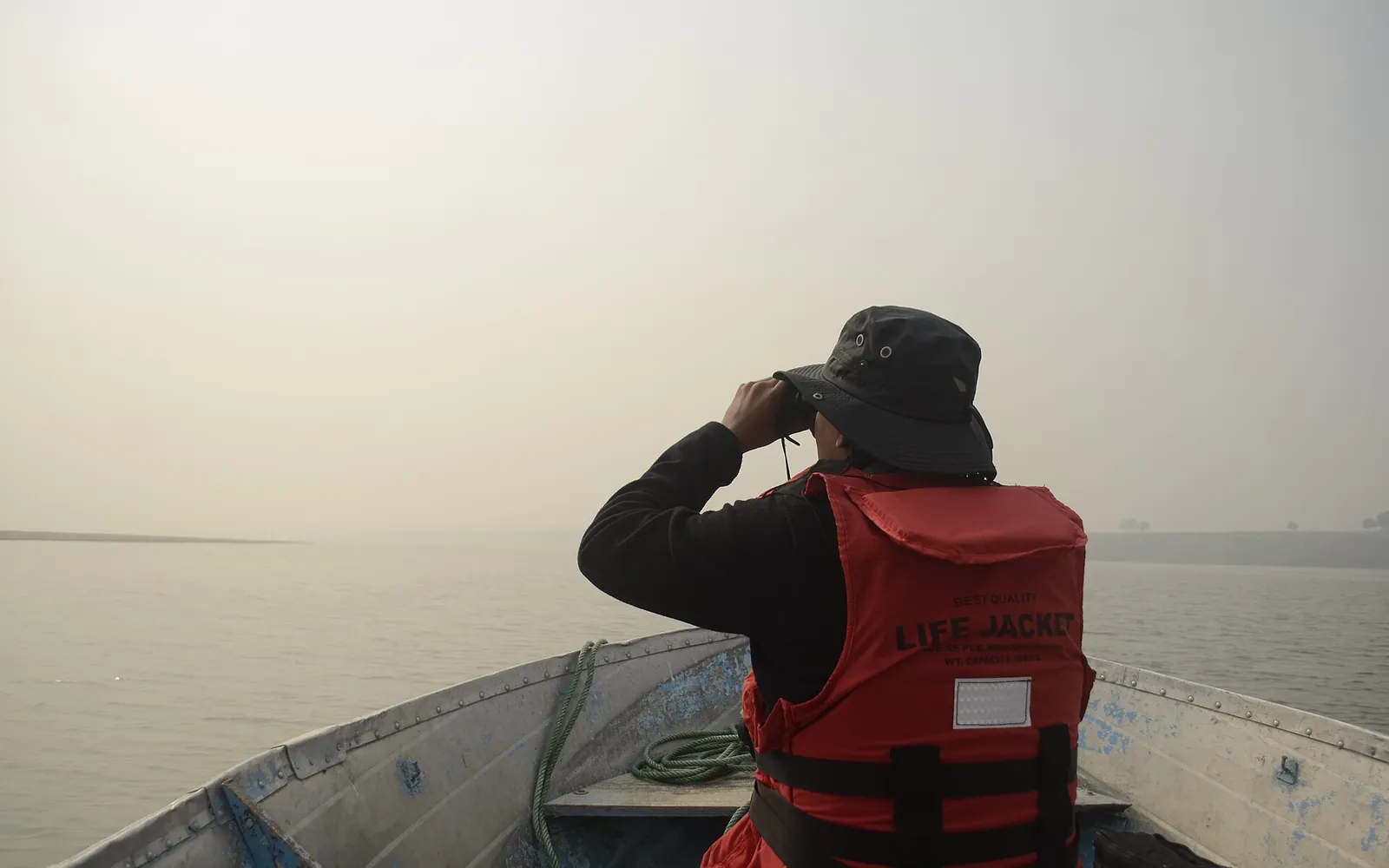
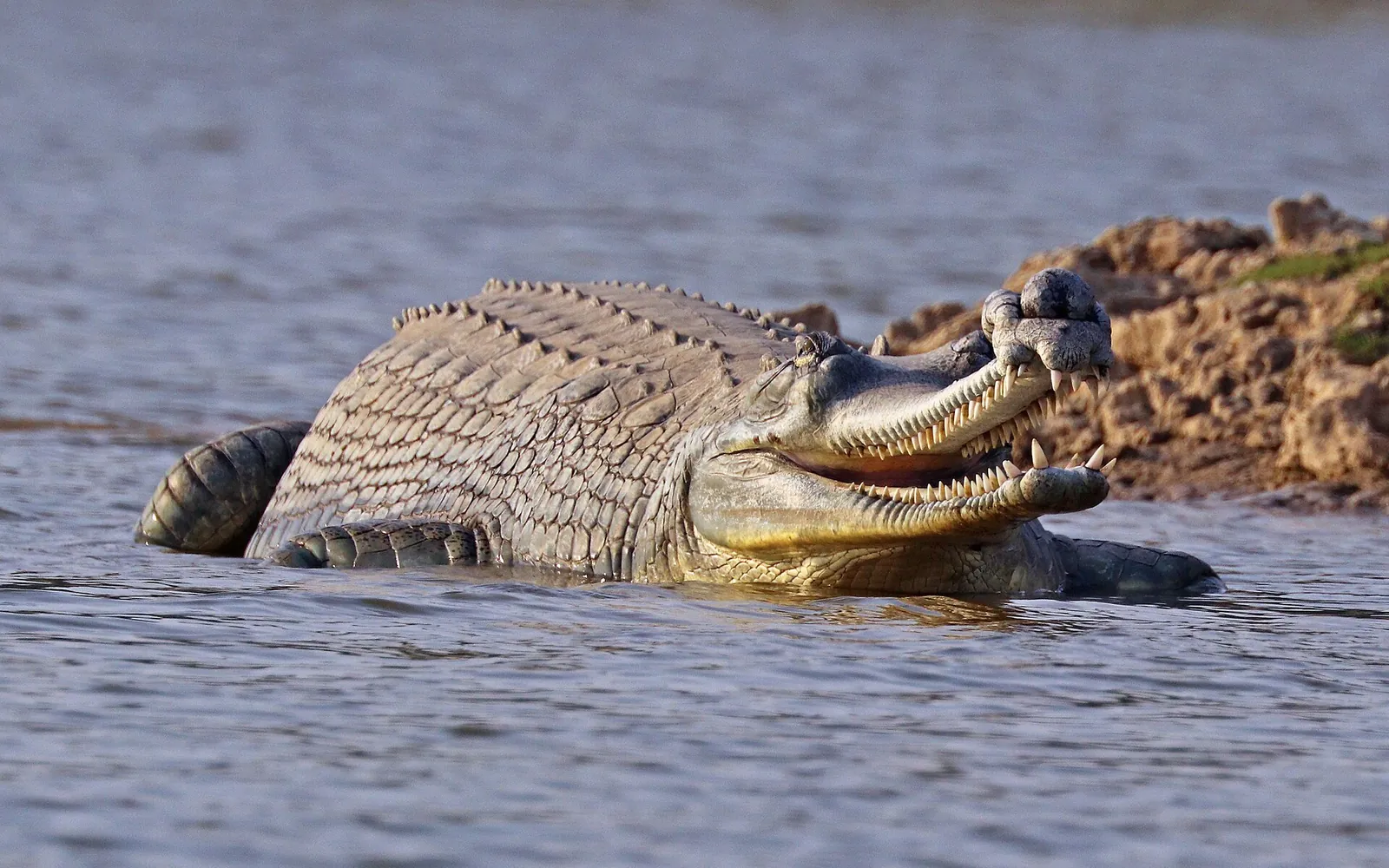
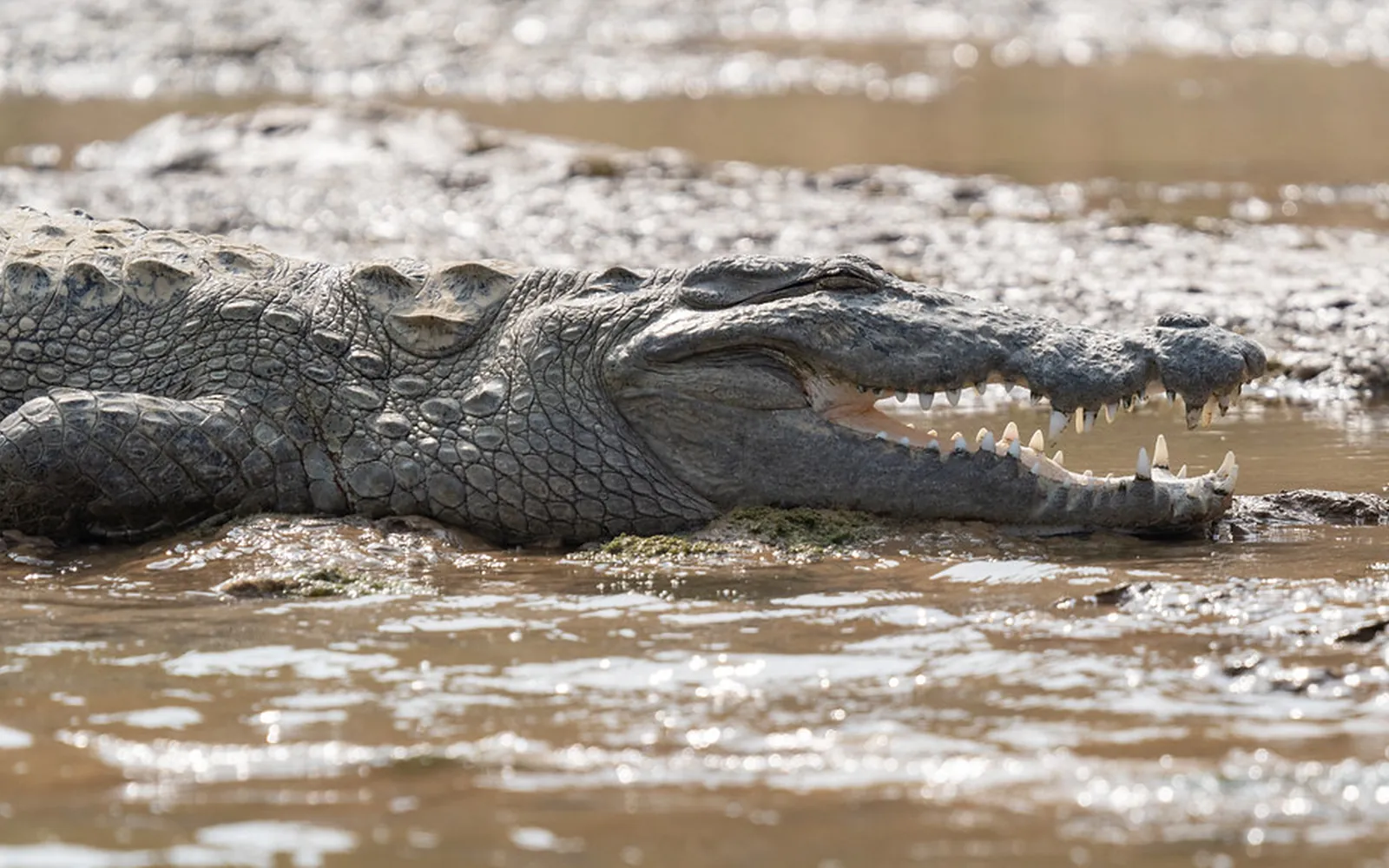
The National Chambal Sanctuary protects one of India’s cleanest and least-polluted rivers, and a boat safari along its calm, clear waters is among the finest wildlife experiences near Kota. The Chambal is a stronghold of the critically endangered gharial, the slender-snouted fish-eating crocodile, which basks in numbers on its sandy banks alongside the bulkier mugger crocodile.
The river also shelters smooth-coated otters, rare freshwater turtles and a spectacular array of birds, including the Indian skimmer, terns, storks and, in winter, migratory ducks and geese. The endangered Ganges river dolphin lives in the lower reaches of the sanctuary, far downstream of Kota. Drifting in a boat, watching crocodiles slide into the water and birds wheel overhead, is a peaceful and photogenic outing.
The sanctuary is a long, narrow strip of river and ravines shared by Rajasthan, Madhya Pradesh and Uttar Pradesh, about 5,400 square km in all. Its upper reaches near Kota make it one of the most special wildlife outings from the city.
History of National Chambal Sanctuary
The Government of India approved the sanctuary on 30 September 1978, at a time when the gharial had been pushed close to extinction. Because sanctuaries are notified by states, there are three notifications: Madhya Pradesh in December 1978, Uttar Pradesh in January 1979 and Rajasthan on 7 December 1979. It is protected under the Wildlife Protection Act of 1972 and is co-administered by the three states, with the project headquarters at Morena in Madhya Pradesh. You may see other start years quoted locally; they usually refer to a particular state’s notification.
Its keystone species are the critically endangered gharial, the red-crowned roof turtle and the Ganges river dolphin. The Chambal supports 8 of India’s 26 rare turtle species, and it is listed as an Important Bird Area, with at least 320 bird species recorded. The biggest modern threat is illegal sand mining, which destroys the sandbanks where gharials and turtles nest.
Wildlife to look for
- Gharial: long, thin snout; males develop a bulbous growth (the ghara) on the tip. They bask on sandbanks in the winter sun.
- Mugger crocodile: broader snout and bulkier body; often near rocky banks.
- Indian skimmer: a black-and-white tern-like bird with a long orange bill whose lower half is longer than the upper; it feeds by skimming the water surface.
- Turtles: crowned river turtle, three-striped roof turtle and softshells, often basking on logs and rocks.
- Winter birds: bar-headed geese, ruddy shelducks, red-crested pochards, and on the banks, sarus cranes and Indian coursers in suitable habitat.
Responsible viewing
Stay seated in boats, keep voices low, never feed or throw anything at animals, and do not ask boatmen to approach basking crocodiles closely. Drones need permission. Take all litter back with you.
Visiting National Chambal Sanctuary: practical details
| Detail | Information |
|---|---|
| Where | Chambal river from Kota downstream, across Rajasthan, Madhya Pradesh and Uttar Pradesh |
| Distance from Kota | The Kota stretch is in the city; other sections are several hours away |
| Best time to visit | November to March |
| Timings | Boat safaris in daylight hours (arranged locally) |
| Entry | Boat safari and permit charges apply |
| Getting there | In Kota itself, the river near Chambal Garden is part of the sanctuary, and Rajasthan Tourism mentions boat rides from the nearby forest office jetty. Other stretches, much further downstream, are reached from Sawai Madhopur, Dholpur or Morena. |
Distances are approximate road distances. Timings and entry charges change from season to season, so confirm them locally or with the district tourist office before you set out.
Combine National Chambal Sanctuary with nearby places
-
Chambal river safari: How boat trips on the Kota stretch work and what you are likely to see.
-
Chambal Garden: The riverside park near the forest office jetty, with its crocodile pond.
-
Chambal River and its ancient name, the Charmanvati: The river’s course, legends and dams.
-
Garadia Mahadev Viewpoint: A breathtaking clifftop viewpoint over the Chambal gorge, with a Shiva temple and one of the most spectacular panoramas in Rajasthan.
-
Mukundara Hills Tiger Reserve: A tiger reserve just south of Kota, formed from the former Darrah National Park, with dry deciduous forest, rivers and historic ruins.
-
Aabheda Mahal & Aabheda Biological Park: A historic royal palace on a pond, alongside the Aabheda Biological Park where visitors can see deer, big cats and more on a safari-style visit.
-
Gharial vs Crocodile: how to tell the sanctuary’s gharials from mugger crocodiles by snout, size and basking spot.
-
Indian Skimmer on the Chambal: the endangered river bird that nests on the sanctuary’s sandbanks, and how to watch it without disturbance.
Frequently asked questions
How do I get to National Chambal Sanctuary from Kota?
In Kota itself, the river near Chambal Garden is part of the sanctuary, and Rajasthan Tourism mentions boat rides from the nearby forest office jetty. Other stretches, much further downstream, are reached from Sawai Madhopur, Dholpur or Morena.
When is the best time to visit National Chambal Sanctuary?
November to March.
What are the timings and entry charges for National Chambal Sanctuary?
Timings: Boat safaris in daylight hours (arranged locally). Entry: Boat safari and permit charges apply. Both change, so check locally before you go.
When was the National Chambal Sanctuary established?
The Government of India approved it on 30 September 1978. The three states notified their portions separately: Madhya Pradesh in December 1978, Uttar Pradesh in January 1979 and Rajasthan on 7 December 1979.
Sources
Editorial team
The KotaRajasthan.net team writes about the places, history and festivals of Kota and Hadoti, and corrects pages when readers point out changes.