History and people
Charmanvati River: The Chambal in the Mahabharata and Legend
Written by Kota Rajasthan Editorial Team · Updated
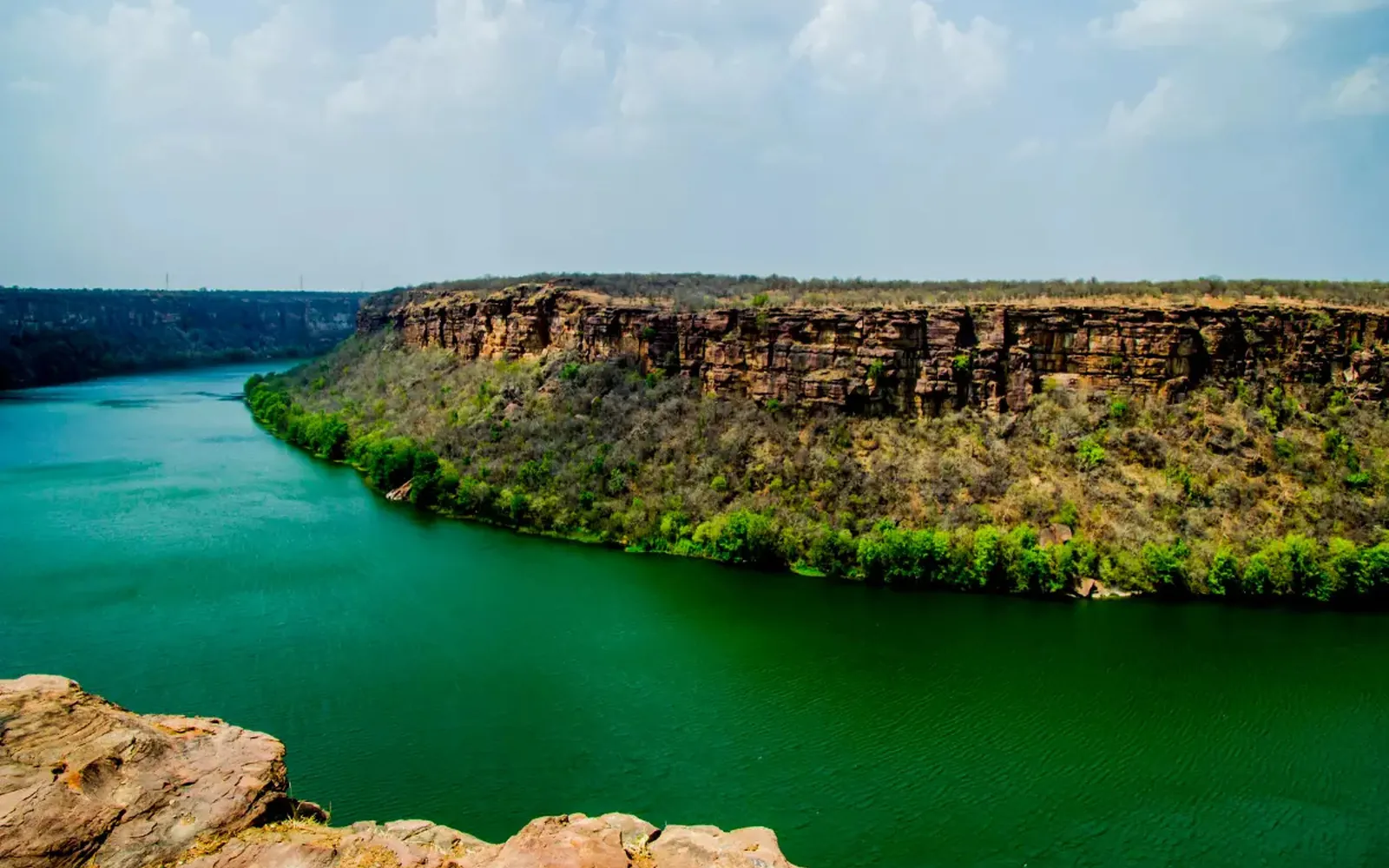
The Charmanvati river of the Sanskrit epics is the Chambal, the river that runs through the middle of Kota. Long before the barrage, the riverfront and the coaching towers, the Chambal had a place in the oldest stories of India, under a name that most visitors never hear. This page gathers what the Mahabharata and later texts say about the Charmanvati, the legend of King Rantideva, the popular story of Draupadi’s curse, and why these tales still shape the way people in Hadoti talk about their river. It is a page about tradition and literature rather than documented history, and we say so where it matters.
The name and what it means
The Sanskrit name appears as Charmanvati, Charmanyavati or Charmanwati. Charman means skin or hide, so the name is usually read as the river of hides. The simplest explanation is practical: a river on whose banks leather was dried. Over time, the name and the river became associated with a much grander story about a king and his sacrifices.
In modern usage the Chambal rises in the Vindhya hills near Mhow in Madhya Pradesh, flows north through a long gorge to Kota and then north-east to join the Yamuna. For its course and wildlife, see our Chambal River page.
King Rantideva and the river of hides
Rantideva is a king of the Lunar dynasty, a descendant of Bharata, who appears in the Mahabharata and the Puranas. The Mahabharata (in the Drona Parva and again in the Shanti and Anushasana Parvas) remembers him for performing sacrifices on the banks of the Charmanvati on a vast scale. In the version most often quoted, so many animals were offered in his sacrifices that the fluids flowing from the heaps of hides stacked near his kitchen formed a river, which was therefore named Charmanvati.
The same king is remembered very differently in the Bhagavata Purana, which makes him a model of compassion. After giving away all his wealth, Rantideva and his family went without food and water for forty-eight days. When a meal finally came, he shared it with a Brahmin guest, then with a Shudra, then with a hunter and his dogs, and finally gave his last water to a Chandala, saying he would rather suffer for the sake of all beings. The Trimurti, who had been testing him, then revealed themselves. Both stories show how a single legendary figure could carry very different meanings for different audiences.
The Charmanvati in the Mahabharata
The river appears several times in the epic, usually as a boundary or a route:
- The edge of Panchala. King Drupada, father of Draupadi, ruled the southern Panchalas as far as the bank of the Charmanvati.
- Karna’s basket. After Kunti set her newborn son Karna afloat in a basket, it drifted from the river Ashva into the Charmanvati, then into the Yamuna and the Ganga, until it reached Champapuri in the kingdom of Anga.
- Sahadeva’s campaign. During the conquests before the Rajasuya sacrifice, the Pandava Sahadeva marched to the banks of the Charmanvati and defeated the son of King Jambaka there before turning south.
If you want to read these passages yourself, the 19th-century English translation by K. M. Ganguli is freely available online (see sources).
Draupadi’s curse
The best-known Chambal legend in the region is not in the epic text itself but in popular tradition. The Chambal country is linked in folk memory with Shakuni and the fatal game of dice. According to this belief, after the attempt to disrobe Draupadi she cursed anyone who would drink from the Charmanvati. People explain that the curse kept settlements away from its banks, so the river survived clean and its animals undisturbed.
It is a powerful story, and it is easy to see why it lasts. The Chambal really is one of the least polluted large rivers in northern India, and its ravines stayed thinly populated for centuries. The real reasons lie in geography: deep gorges, eroding ravines and seasonal floods made the banks hard to farm and settle. The legend gives that landscape a moral history.
Legends on the ground in Hadoti
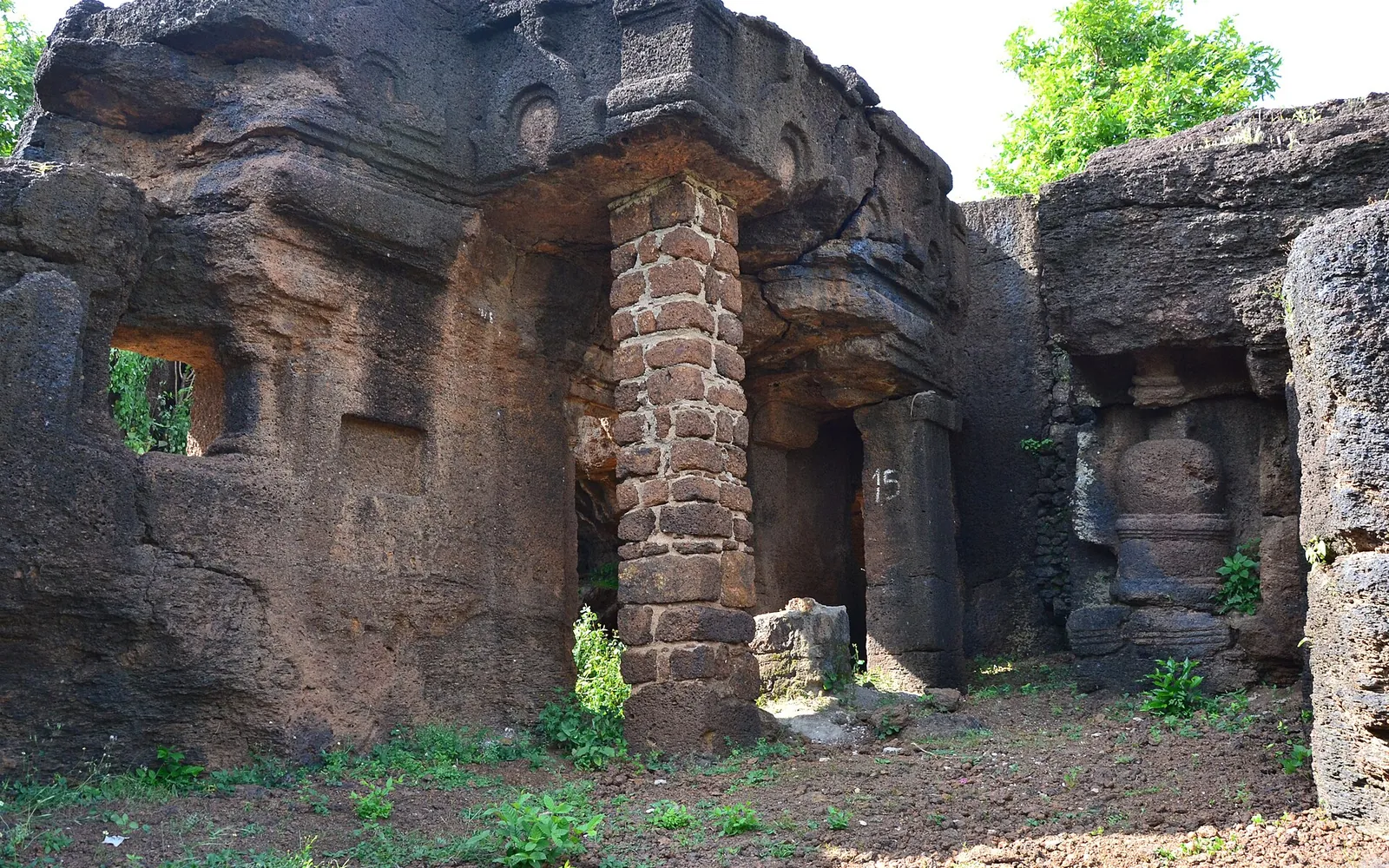
Around Kota you meet the river’s mythic side in temples and place names rather than in any single monument. The ancient Kansua temple, with its 8th-century inscription, stands near the river on the edge of the city. Downstream, the pilgrimage town of Keshoraipatan gathers crowds on the Chambal’s banks at Kartik Purnima. Upstream, the gorge seen from Garadia Mahadev shows the wild river of the old stories.
How to read these stories
It helps to keep three layers apart. The first is the epic text, where the Charmanvati appears as a named river on routes and borders; that tells us the name is old and that the river was part of the epic’s mental map. The second is the Rantideva story, which is a moral and ritual tale whose versions contradict each other, so it explains the name rather than proving anything about the past. The third is modern folk belief, such as Draupadi’s curse, which is not in the critical text of the Mahabharata at all but is very much alive in conversation along the river. Guides and boatmen in Kota mix all three freely, and that is part of the pleasure of hearing them.
From legend to modern river
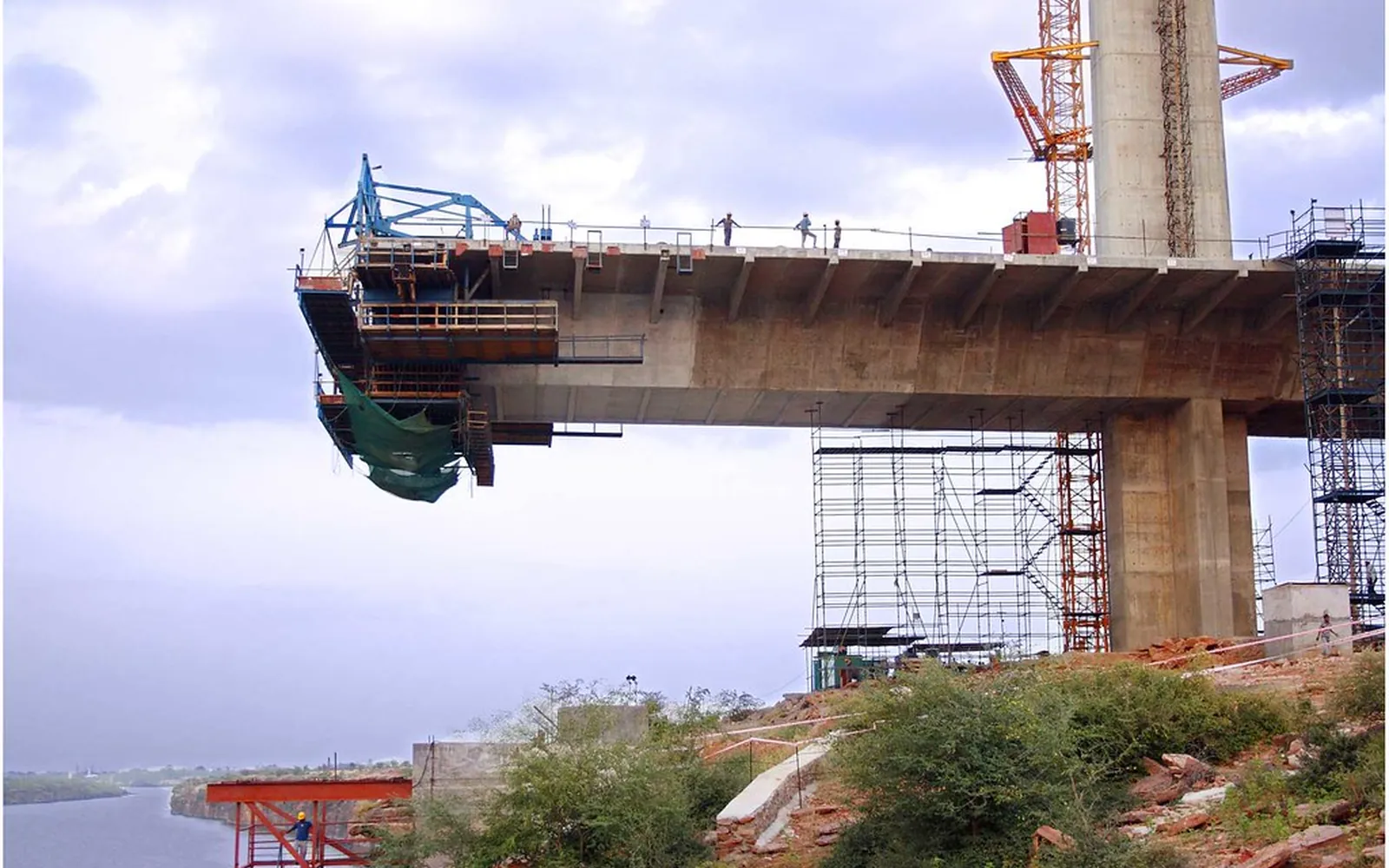
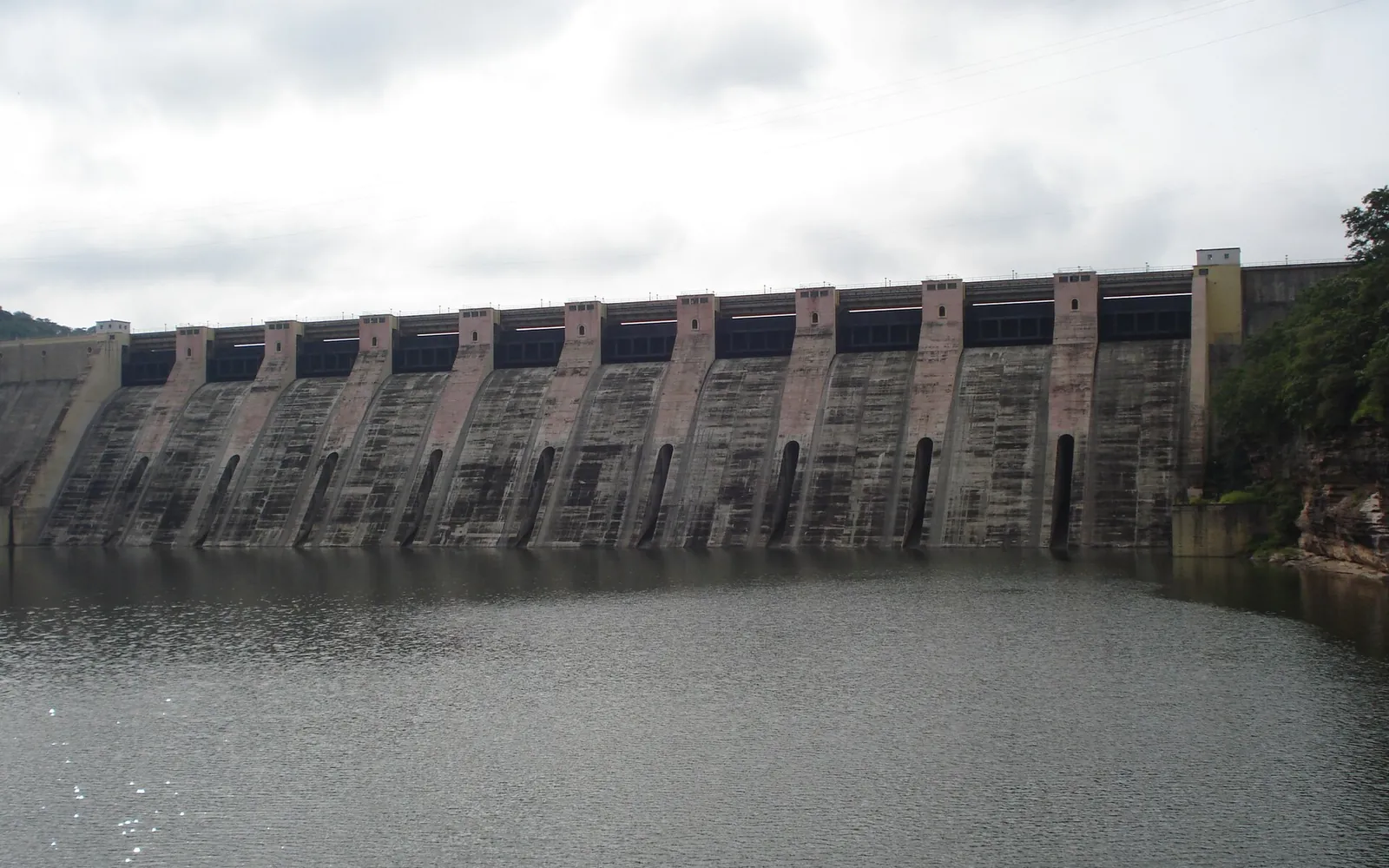
The 20th century gave the Charmanvati a new identity. The dams and barrage of the Chambal Valley Project turned it into a source of power and irrigation, while the stretch below Kota became part of the National Chambal Sanctuary, protected for the gharial. Whether you see the river from a boat, the riverfront or a temple ghat, it helps to know that people have been telling stories about it for well over two thousand years.
Frequently asked questions
What is the ancient name of the Chambal river?
Charmanvati, also written Charmanyavati or Charmanwati. The Mahabharata uses this name, and it is generally identified with the Chambal.
Why was the Chambal called Charmanvati?
Charman means skin or hide. One explanation is simply that hides were dried on its banks. The Mahabharata tells a more dramatic story: that the river flowed from the heaps of hides of animals sacrificed by King Rantideva.
Who was Rantideva?
A legendary king of the Lunar dynasty, a descendant of Bharata, remembered in the epics and Puranas for his generosity. The Bhagavata Purana tells how he gave away his last food and water to hungry guests.
What is Draupadi's curse on the Chambal?
A folk belief holds that Draupadi cursed anyone who drank from the Charmanvati after her humiliation at the dice game, and that this kept people away and left the river clean. It is a legend, but it is often repeated to explain the Chambal's wild, little-used character.
Where in the Mahabharata is the Charmanvati mentioned?
Among other places, in the account of Drupada's kingdom (Adi Parva), Karna's journey as a baby (Vana Parva), Sahadeva's southern campaign (Sabha Parva) and the story of Rantideva (Drona, Shanti and Anushasana Parvas).
Sources
Editorial team
The KotaRajasthan.net team writes about the places, history and festivals of Kota and Hadoti, and corrects pages when readers point out changes.