Wildlife and the Chambal
Wildlife safaris near Kota
Written by Kota Rajasthan Editorial Team · Updated
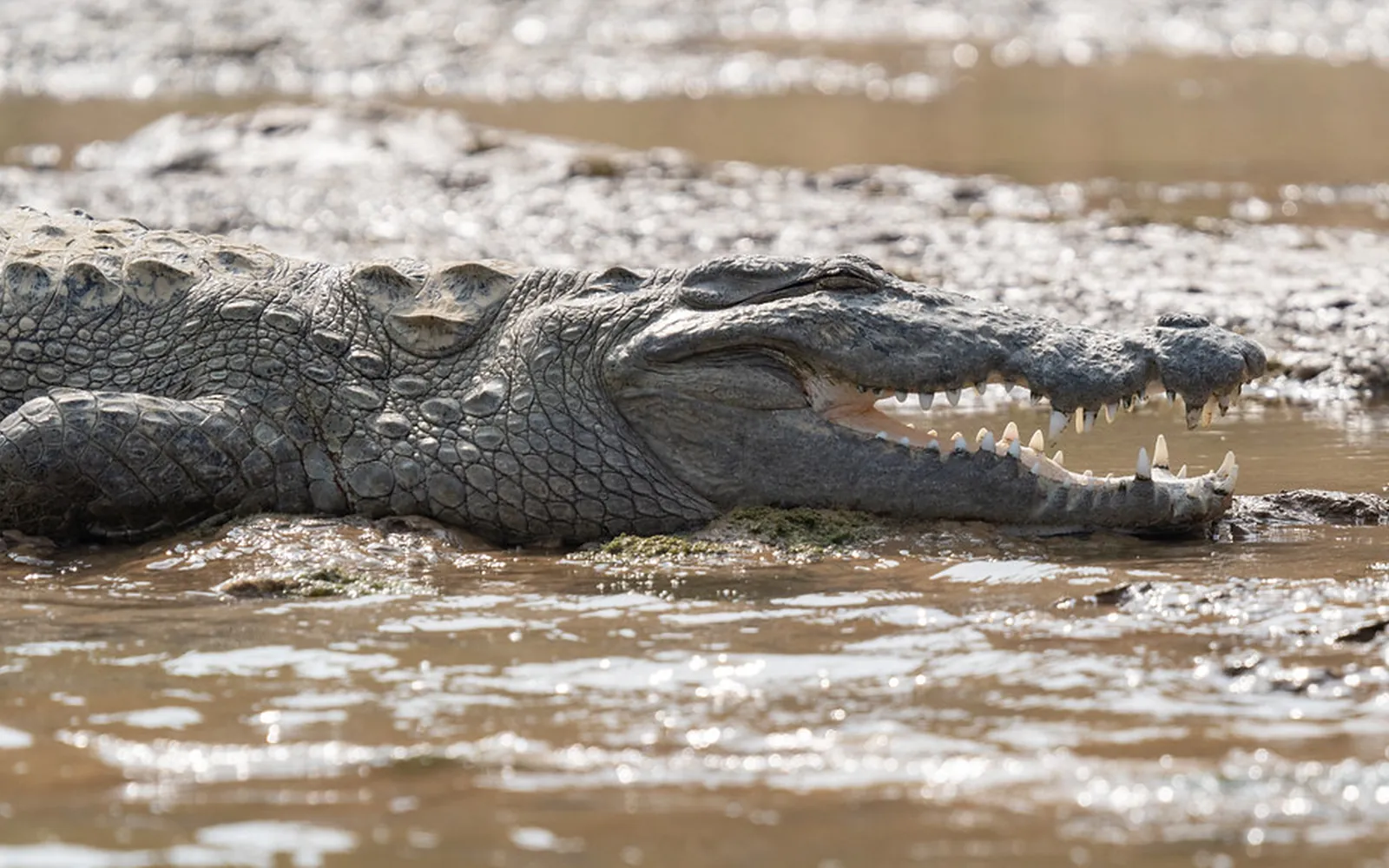
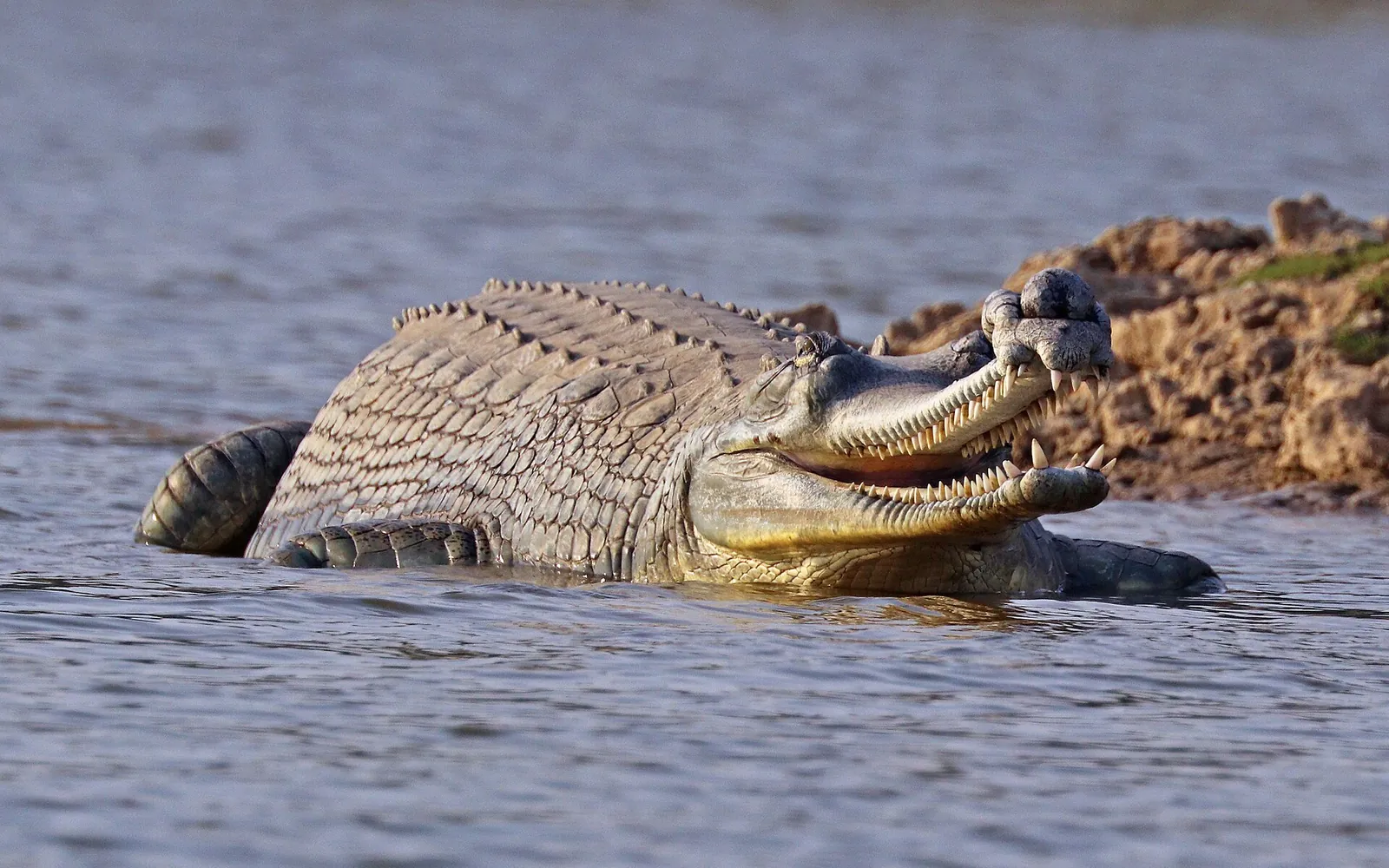
The Chambal makes Kota one of the best bases in Rajasthan for wildlife. The river through and around the city is part of the National Chambal Sanctuary, home to the critically endangered gharial, the mugger crocodile, freshwater turtles and a long list of river birds, including the endangered Indian skimmer; river dolphins live much further downstream. South of the city, the forests and gorges of Mukundara Hills form a tiger reserve, Ramgarh Vishdhari near Bundi is another, and the grasslands of Sorsan are one of the region’s best birding sites.
KotaRajasthan.net does not sell safaris or boat rides. Safaris inside tiger reserves are booked through the Rajasthan Forest Department, and river boat trips are run by forest-approved operators or local boatmen. The guides below explain what you can see, when to go and how to arrange a visit.
Wildlife guides
The Chambal river
- Chambal River Safari and Gharial Spotting Near Kota: where to see gharial, mugger crocodiles, turtles and river birds, the best season, and how to go with approved operators.
- Gharial vs Crocodile: How to Tell Them Apart on the Chambal: snout, size, behaviour and basking spots of the river’s two crocodilians, and why the gharial is critically endangered.
- Indian Skimmer on the Chambal: how to recognise this endangered river bird, how it feeds and nests on sandbanks, and how to watch it without disturbing colonies.
- National Chambal Sanctuary: the sanctuary’s 1978-79 founding, its gharials, muggers, turtles and 320 bird species, and how to visit responsibly.
- Chambal River: the river’s course, its ancient Charmanvati name, the dams of the Chambal Valley Project and the best places to see it.
Forests and tiger reserves
- Mukundara Hills Tiger Reserve: the forests and gorges south of Kota, how the reserve was created and how visits are arranged.
- Mukundara vs Ranthambore: an honest comparison of the two reserves for anyone based in Kota, including tiger sightings, crowds and travel time.
- Kota to Ranthambore: train or road to Sawai Madhopur, how safari booking works and how to fit in the fort.
- Ramgarh Vishdhari Tiger Reserve: the reserve in Bundi district that links Ranthambore and Mukundara.
- Waterfalls near Kota: monsoon falls in the gorges around Kota, from Geparnath to Bhimlat and Chuliya, with safety tips for high water.
Birds, grasslands and wetlands
- Sorsan Bird Sanctuary: the grassland near Kota and Baran, its birds and blackbuck, and the lesser florican project.
- Bardha Dam: an 1872 irrigation dam on the Talera river in Bundi district with winter waterbirds.
- Aabheda Mahal and Biological Park: a historic royal palace on a pond beside Kota’s biological park.
What you can see, and where
| Habitat | Where near Kota | Typical wildlife |
|---|---|---|
| River and sandbanks | Chambal in and around Kota | Gharial, mugger crocodile, turtles, terns, skimmers, waders |
| Dry forest and gorges | Mukundara Hills, Ramgarh Vishdhari | Leopard, sloth bear, sambar, chital, nilgai, birds; tigers uncertain |
| Grassland | Sorsan | Blackbuck, grassland birds, wintering raptors |
| Lakes and reservoirs | Bardha Dam, city lakes | Ducks, waders, storks and other waterbirds in winter |
Sightings are never guaranteed and change with season and water levels. The wildlife lists on each guide come from published sources; ask forest staff what is being seen at the moment.
How to book a safari
- Tiger reserves. Jungle safaris in protected areas such as Mukundara Hills and Ranthambore are booked through the Rajasthan Forest Department’s online booking system (FMDSS) or at the reserve office. Routes, vehicle types and fees are set by the department and change between seasons.
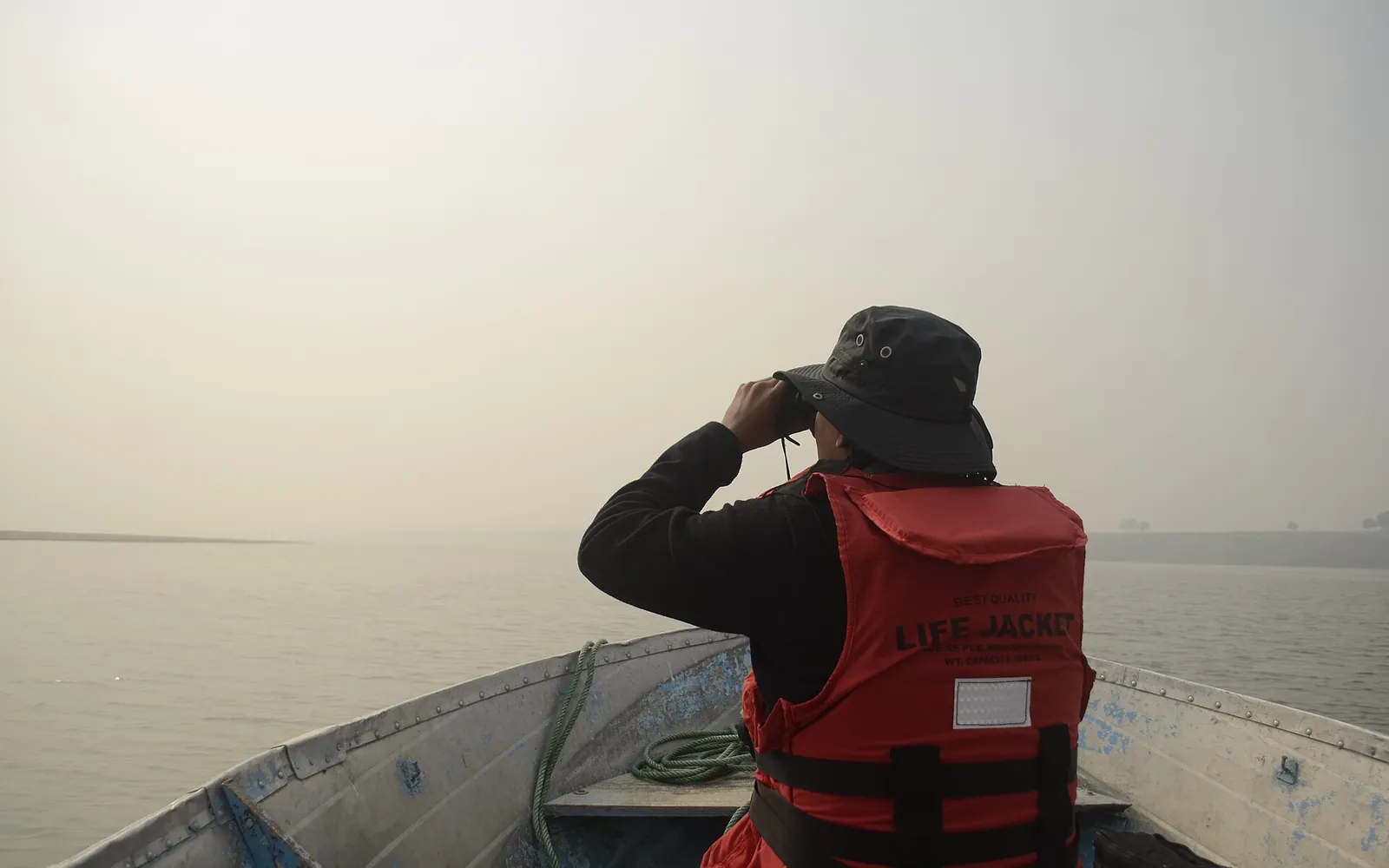
- Chambal boat trips. Boat rides to see gharial and crocodiles run from points on the Chambal; ask the Forest Department or the district tourist office which operators are approved this season.
- Season. Most safaris run from October to June and close in the monsoon. Winter mornings are best for birds and basking reptiles; the hot months before the monsoon are when animals gather near water.
Planning a wildlife trip from Kota
- Half day: Chambal Garden and a river boat trip, or a morning in Mukundara.
- Full day: Mukundara in the morning and the Chambal gorge at Garadia Mahadev in the afternoon.
- Two or three days: add Sorsan and Bardha Dam for birds, or two nights at Ranthambore.
Our 5 days in Kota itinerary combines the river, the gorge and Mukundara with the region’s heritage.
Responsible wildlife watching
- Stay in the boat or vehicle, keep your voice down and never feed animals.
- Keep a respectful distance from basking crocodiles and nesting sites; never land on sandbanks with nesting birds.
- Do not ask drivers or boatmen to go off route or closer than allowed.
- Do not fly drones near wildlife.
- Carry your rubbish out with you.
Frequently asked questions
Where can I see gharial near Kota?
On the Chambal within the National Chambal Sanctuary. Boat trips run from approved points; ask the Forest Department or the district tourist office which ones are operating.
How do I book a safari at Mukundara Hills?
Through the Rajasthan Forest Department, either on its online booking system (FMDSS) or at the reserve office. Fees and routes are set by the department.
Which is better from Kota, Mukundara or Ranthambore?
Ranthambore gives a much better chance of seeing a tiger; Mukundara is closer, quieter and better for forest and gorge scenery. Our Mukundara vs Ranthambore guide compares them in detail.
How can I tell a gharial from a crocodile?
Look at the snout: a gharial's is long and pencil-thin, a mugger crocodile's short and broad. Adult male gharials also have a pot-shaped knob on the snout tip.
When is the best time for wildlife near Kota?
October to March is pleasant and best for birds. April to June is hot but animals are easier to see near water. Most safaris close in the monsoon.
Sources
Editorial team
The KotaRajasthan.net team writes about the places, history and festivals of Kota and Hadoti, and corrects pages when readers point out changes.