Wildlife and the Chambal
Mukundara vs Ranthambore: Which Tiger Reserve to Visit
Written by Kota Rajasthan Editorial Team · Updated
Mukundara vs Ranthambore is a real choice for anyone staying in Kota. One is a famous tiger reserve a train ride away; the other is a younger reserve almost on Kota’s doorstep. They share the same broad landscape of dry forest, hills and the Chambal, but they offer very different experiences. This guide compares them honestly, including the uncomfortable facts about Mukundara’s tigers, so you can pick the right one for your trip or plan both.
The two reserves in brief
Ranthambore National Park lies near Sawai Madhopur, bounded by the Banas river to the north and the Chambal to the south. It began as the Sawai Madhopur Game Sanctuary in 1955, became a Project Tiger reserve in the 1970s and a national park in 1980. The park and its adjoining sanctuaries cover about 1,334 km², with a core of about 275 km². It is known worldwide for tigers that are often seen in the open around lakes and ruins, and for Ranthambore Fort, a 10th-century hill fort inside the park. Our Kota to Ranthambore guide covers getting there and booking.
Mukundara Hills lies south of Kota. It was declared a national park in 2004, covering about 760 km² and including the Darrah, Jawahar Sagar and part of the National Chambal sanctuaries, and it was notified as a tiger reserve in 2013. Much of its forest was once the hunting ground of the rulers of Kota. Our Mukundara Hills Tiger Reserve guide describes the reserve in more detail.
Mukundara vs Ranthambore at a glance
| Mukundara Hills | Ranthambore | |
|---|---|---|
| Distance from Kota | Starts just south of the city | About 145 km by road; easiest by train |
| Protected status | National park 2004; tiger reserve 2013 | Sanctuary 1955; tiger reserve 1970s; national park 1980 |
| Tigers | Reintroduction since 2018 with serious setbacks; sightings uncertain | Large, established population |
| Crowds | Few visitors | Busy; popular dates sell out |
| Landscape | Forested hills, plateaus, river gorges | Dry forest, lakes, ruins and a hill fort |
| Best for | Quiet nature, history, half-day trips | The best chance of seeing a wild tiger |
Tigers: the honest picture
If your main goal is a tiger, the answer is clear: Ranthambore. It has one of the best-studied tiger populations in India. Its numbers fell to about 15 animals in the early 2000s after poaching, but recovered strongly; Wikipedia, citing official counts, gives 69 tigers in the national park in 2022. Sightings are never guaranteed, but Ranthambore gives you the best odds in this part of Rajasthan.
Mukundara was created partly to give Ranthambore’s growing tiger population room to spread. Tigers were moved there from Ranthambore from 2018. In 2020 the reserve suffered heavy losses: press reports at the time recorded the deaths of adult tigers and cubs within weeks, and another tiger went missing. Efforts to rebuild the population have continued since then, but the number of tigers present at any time has been small and has changed often. Before you go, check the current situation with the Rajasthan Forest Department rather than relying on older articles or promotional claims, and treat any tiger sighting in Mukundara as a rare bonus.
Other wildlife
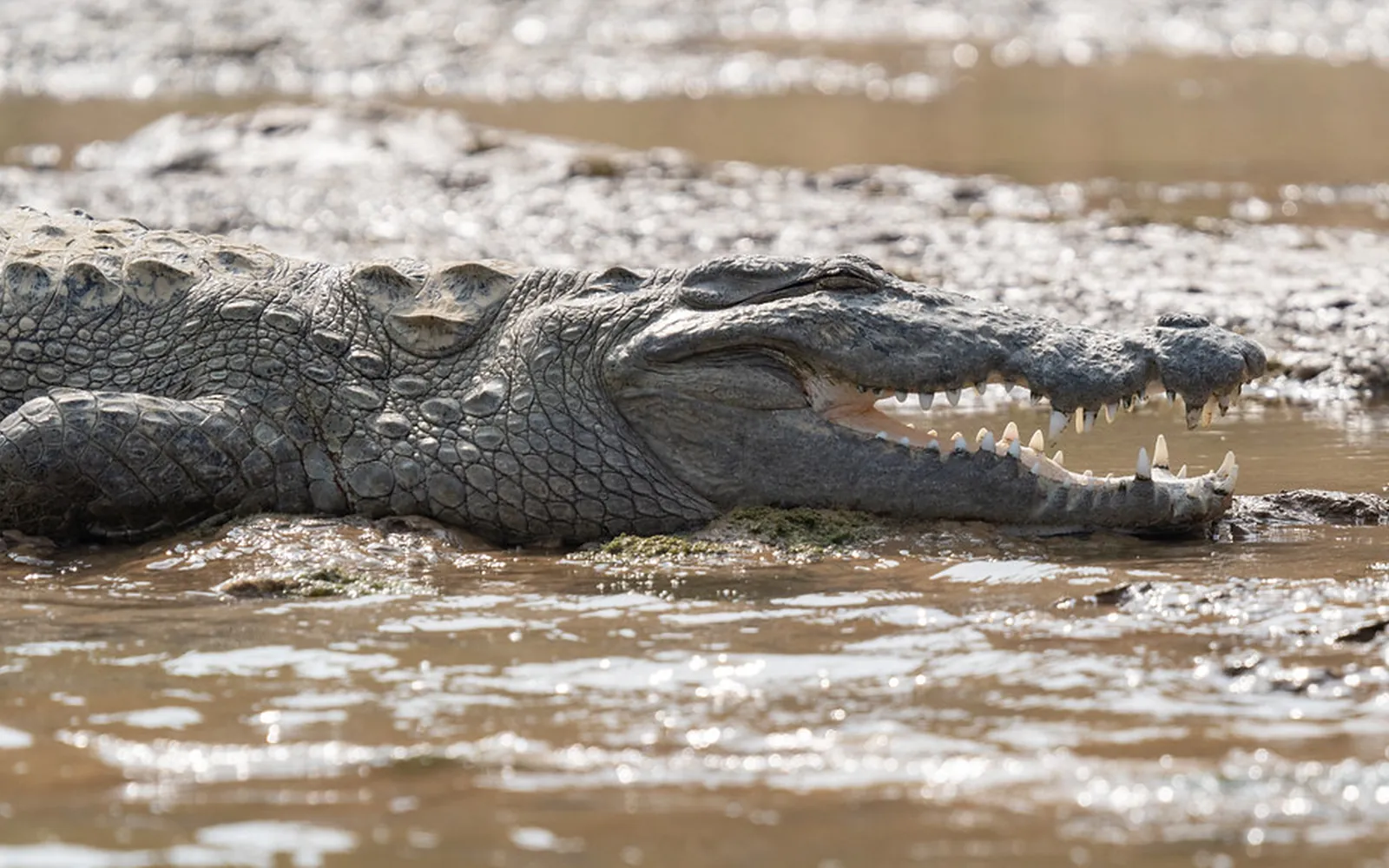
Both reserves share the typical animals of the region. Ranthambore has leopards, sloth bears, sambar, chital, nilgai, chinkara, hyenas and jungle cats, mugger crocodiles in its lakes and more than 270 recorded bird species. Mukundara has leopards, sloth bears, sambar, chital, wild boar, nilgai and chinkara, with mugger and gharial in the rivers. In practice you will see more animals, more easily, in Ranthambore, where they are used to vehicles. Mukundara rewards patience and quiet.
Landscape and history
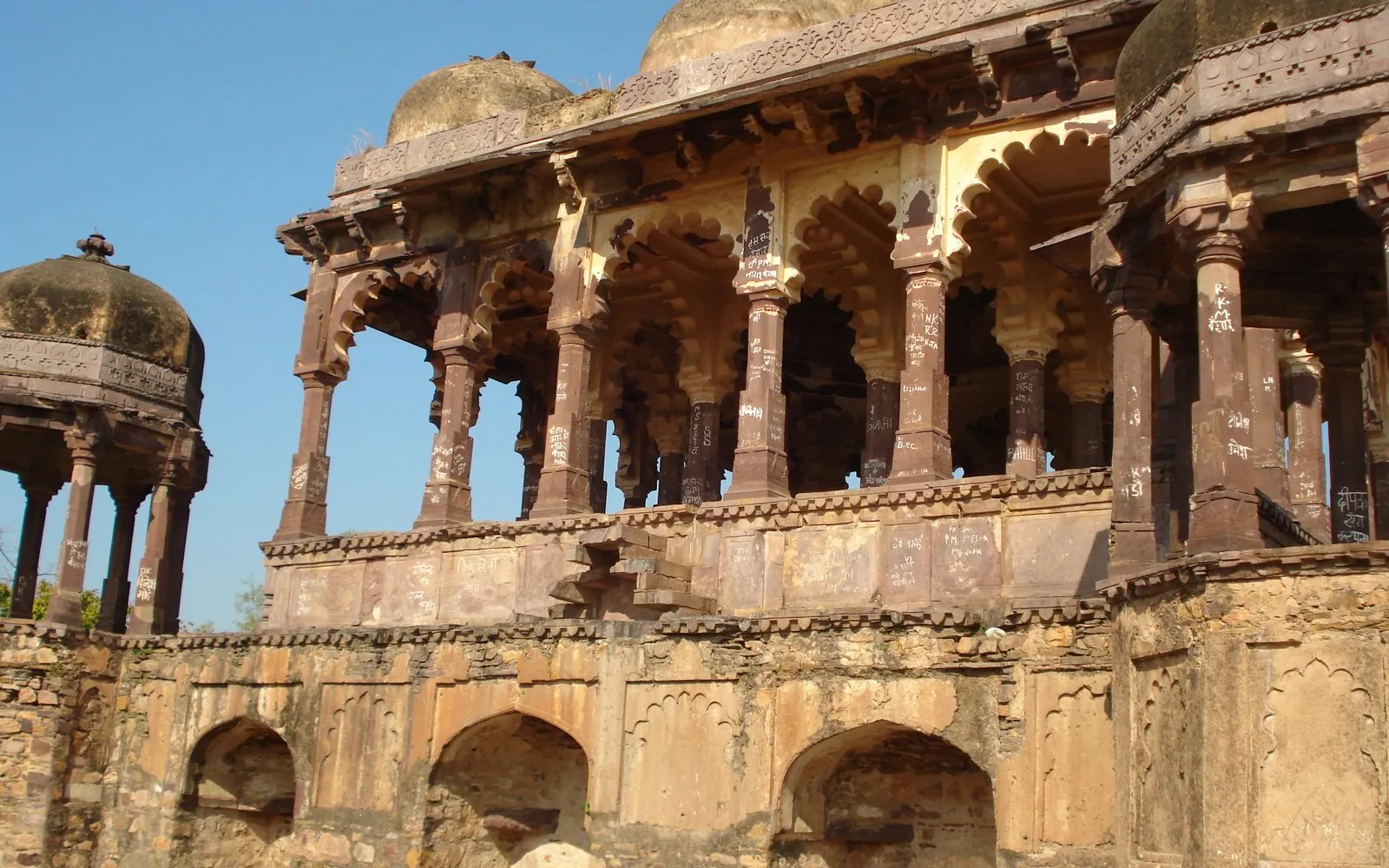
Ranthambore’s great set piece is its fort, part of the UNESCO-listed Hill Forts of Rajasthan, with the Trinetra Ganesh temple and lakes such as Padam Talao below it. Ruins, banyan trees and open meadows make it hugely photogenic.
Mukundara is wilder and less manicured. Its hills, plateaus and river valleys include the Chambal gorge country around Garadia Mahadev and the forests of Darrah, and they hold old temples, gateways and hunting lodges. If you like landscapes and history as much as wildlife, Mukundara’s emptiness is a strength.
Crowds, cost and comfort
Ranthambore is busy. Safari seats are limited and popular dates sell out, so you need to book through the official system as early as it allows and plan travel around your safari slot. It also has a large range of hotels around Sawai Madhopur.
Mukundara sees far fewer visitors, so the experience is calmer and more flexible, and you can sleep in Kota. Facilities are more basic. We do not quote safari fees for either reserve, because they change; check the official booking system.
Getting there from Kota
- Mukundara: a short drive south from Kota. You can combine a morning in the forest with an afternoon at Garadia Mahadev or on the Chambal.
- Ranthambore: take a train from Kota Junction to Sawai Madhopur, then road to the park gates. Most people stay at least one night so they can do two safaris without rushing.
Seasons and closures
The cool months from October to March are the most comfortable for both reserves. Ranthambore’s core zones close in the monsoon, usually from July to September; some buffer zones may open depending on rain and official orders. Mukundara’s arrangements also change with the season. In both reserves, the hot months before the monsoon can be good for wildlife because animals gather at water, but the heat is intense.
Which should you choose?
- First tiger safari, limited time: Ranthambore.
- You live in or are studying in Kota and want a nature morning: Mukundara.
- Photographer after big cats: Ranthambore, with several safaris booked.
- You prefer quiet forests, gorges and history: Mukundara, combined with Garadia Mahadev.
- A week in the region: both. Use Kota as a base for Mukundara, the Chambal and Hadoti, then add two nights in Sawai Madhopur.
A sample plan for both
If you have four or five days, a simple order works well. Spend the first day on Kota’s Garh Palace and an evening by the Chambal. On the second, go into Mukundara in the cool of the morning and continue to Garadia Mahadev for the late afternoon light over the gorge. On the third, take a train to Sawai Madhopur in time for an afternoon safari at Ranthambore, then do a morning safari and visit the fort the next day before returning to Kota. Our 5 days in Kota itinerary shows how this fits with the rest of Hadoti.
Responsible safaris
Whichever you choose, book only through official channels, go with authorised vehicles and guides, keep noise down, never ask drivers to crowd or chase animals, and take all litter away. Small, newer reserves like Mukundara depend on careful visitors to show that protecting these forests is worthwhile.
More wildlife near Kota
The wildlife safaris near Kota hub brings together the region’s options, from the National Chambal Sanctuary and its gharials and crocodiles to the grasslands of Sorsan and Bundi’s Ramgarh Vishdhari reserve.
Frequently asked questions
Is Mukundara better than Ranthambore for tigers?
No. Ranthambore has a large, long-established tiger population; Wikipedia, citing official counts, gives 69 tigers in the national park in 2022. Mukundara's tiger reintroduction suffered losses in 2020, so tiger sightings there are uncertain. Check the forest department for the current situation.
How far are Mukundara and Ranthambore from Kota?
Mukundara starts close to Kota, south of the city, so it is an easy half-day or day trip. Ranthambore is near Sawai Madhopur; Rajasthan Tourism lists Kota about 145 km from Sawai Madhopur by road, and the train is the easiest way there.
Can I visit both Mukundara and Ranthambore on one trip?
Yes. Many visitors base themselves in Kota for Mukundara, the Chambal and Garadia Mahadev, then take the train to Sawai Madhopur for one or two nights and Ranthambore safaris.
How do I book safaris?
For both reserves, use the Rajasthan Forest Department's official booking channels. Ranthambore seats sell out on popular dates, so book as early as the system allows.
When is the best time to visit?
The cooler months from October to March are the most comfortable. Ranthambore's core zones close during the monsoon, usually from July to September. Summer brings heat but animals gather near water.
Sources
Editorial team
The KotaRajasthan.net team writes about the places, history and festivals of Kota and Hadoti, and corrects pages when readers point out changes.