History and people
Rulers of Kota: The Hada Maharaos from 1631 to 1948
Written by Kota Rajasthan Editorial Team · Updated
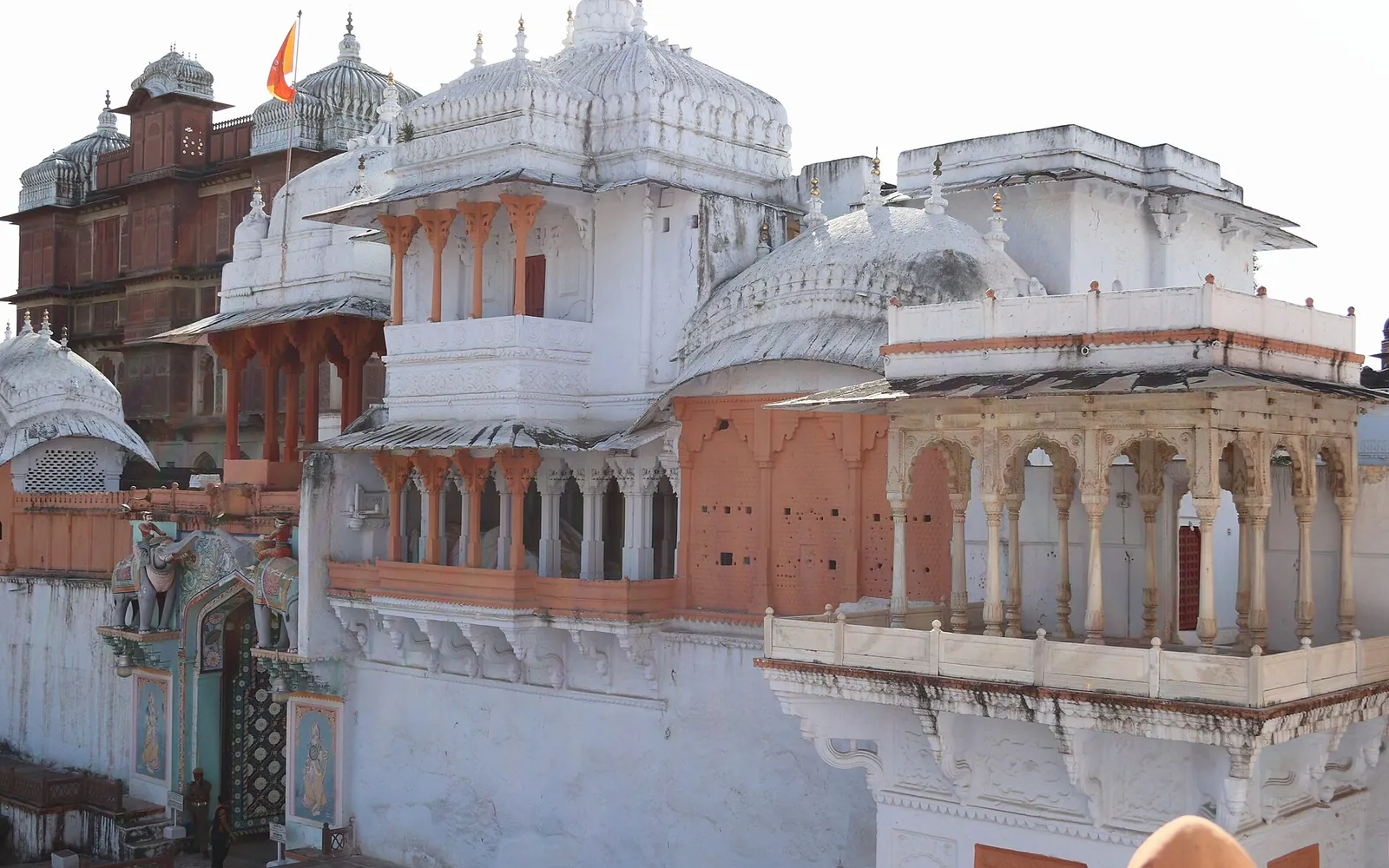
The rulers of Kota were Hada Chauhan Rajputs, a younger branch of the house of Bundi, who governed the state on the east bank of the Chambal from the 1620s or 1631 until it merged into the Rajasthan Union in 1948. Their palace, the Garh, still stands above the river, and their portraits hang in the Rao Madho Singh Museum inside it. This page gives a dated list of the rulers, what each reign is remembered for, and where you can see traces of them in Kota today.
How Kota got its own rulers
Kota was part of the Hada kingdom of Bundi until the early 17th century. Rao Ratan Singh of Bundi gave the Kota territory to his second son, Madho Singh, and the Mughal court recognised it as a separate state as a reward for his military service. The 1911 Encyclopaedia Britannica says the grant was made by Shah Jahan for services rendered when the future emperor was in rebellion against his father Jahangir; other accounts emphasise Ratan Singh’s role. Dates vary: most sources, including Rajasthan Tourism’s Kota page, give 1631, while some give 1624 or 1625. Our Rao Madho Singh page discusses the difference. The story of Bundi itself is on our history of Bundi page.
The rulers of Kota: a list
Dates below follow the Kota State list on Wikipedia, cross-checked with the dates on our individual biographies. Sources disagree by a year in places, especially for the early reigns.
| Ruler | Reign | Remembered for |
|---|---|---|
| Rao Madho Singh | 1631-1648 | Founder of the separate state; Hada service to the Mughals |
| Rao Mukund Singh | 1648-1658 | The Mukundara hills and pass are named after him; killed at Dharmat |
| Rao Jagat Singh | 1658-1683 | Long reign after the war of succession |
| Rao Prem Singh | 1683-1684 | Brief reign |
| Rao Kishore Singh I | 1684-1696 | Late 17th-century reign |
| Rao Ram Singh I | 1696-1707 | Killed at the battle of Jajau in 1707 |
| Maharao Bhim Singh I | 1707-1720 | First Maharao; expanded the state |
| Maharao Arjun Singh | 1720-1723 | Short reign |
| Maharao Durjan Sal | 1723-1756 | Long reign; Jagmandir on Kishore Sagar built 1743-45 |
| Maharao Ajit Singh | 1756-1757 | Brief reign |
| Maharao Chhatar Sal I | 1757-1764 | Kota’s victory over Jaipur at Bhatwara, 1761 |
| Maharao Guman Singh | 1764-1771 | Died leaving a young heir |
| Maharao Umed Singh I | 1771-1819 | Reign dominated by the regent Zalim Singh Jhala |
| Maharao Kishore Singh II | 1819-1828 | Clash with the regent at Mangrol, 1821 |
| Maharao Ram Singh II | 1828-1866 | Creation of Jhalawar (1838); the 1857 rising in Kota |
| Maharao Chhatar Sal II | 1866-1889 | Late 19th-century reign |
| Maharao Umed Singh II | 1889-1940 | Modernisation; Umed Bhawan Palace |
| Maharao Bhim Singh II | 1940-1948 | Merger into the Rajasthan Union |
After 1948 the heads of the former royal family were Bhim Singh II (until 1991), Brijraj Singh (1991-2022) and Ijyaraj Singh (from 2022).
Founders and Mughal soldiers (1631-1707)
The first rulers were above all soldiers in Mughal service, and several died in imperial wars. Mukund Singh and his brothers were killed fighting for Shah Jahan’s side at Dharmat in 1658, during the war of succession between Shah Jahan’s sons; our page on the battle of Dharmat tells the story. Ram Singh I fell at Jajau in 1707, in the next succession war after Aurangzeb’s death. These deaths in distant battles are a recurring theme of the Hada chronicles.
The first Maharao (1707-1720)
Bhim Singh I was the ruler who turned Kota into a regional power. He received the title Maharao, which his successors kept, and he is linked with the Vallabh sect image of Brijnathji, which became Kota’s royal deity. His reign marks the point where Kota began to outgrow Bundi in land and revenue.
The age of the regent (1771-1838)
When Guman Singh died in 1771, his heir Umed Singh I was young, and the regency went to Zalim Singh Jhala. For almost fifty years Zalim Singh ran the state, filled its treasury and steered it through the Maratha wars, while the Maharao reigned in name. Kota signed its treaty with the British in 1817. When Kishore Singh II tried to take back power, his forces were defeated at Mangrol in 1821 by the regent’s troops, who had British support. The conflict ended in 1838, under Ram Singh II, when the British separated a third of Kota’s territory to create the state of Jhalawar for Zalim Singh’s grandson. Part of it was returned to Kota in 1897. Our history of Jhalawar explains the split.
1857 and after
Ram Singh II was on the throne in October 1857, when soldiers in Kota rose, killed the British Political Agent and held the city until British forces took it in March 1858. The 1857 revolt in Kota page covers those months.
Umed Singh II (1889-1940) was educated at Mayo College in Ajmer, served with the British army and ruled for more than fifty years. Railways reached Kota during his reign, and the European-style Umed Bhawan Palace was built for him.
The last ruling Maharao
Bhim Singh II succeeded in 1940, signed Kota’s accession to India in 1947 and, on 25 March 1948, joined Kota with Bundi, Jhalawar and other states in the Rajasthan Union, becoming its first Rajpramukh. Our page on the Rajasthan Union of 1948 tells how Kota briefly became the capital of the first union that grew into modern Rajasthan. Princely titles and privileges were abolished in 1971, but the family remains closely tied to the Garh and to Kota’s cultural life.
Where to see the rulers’ Kota
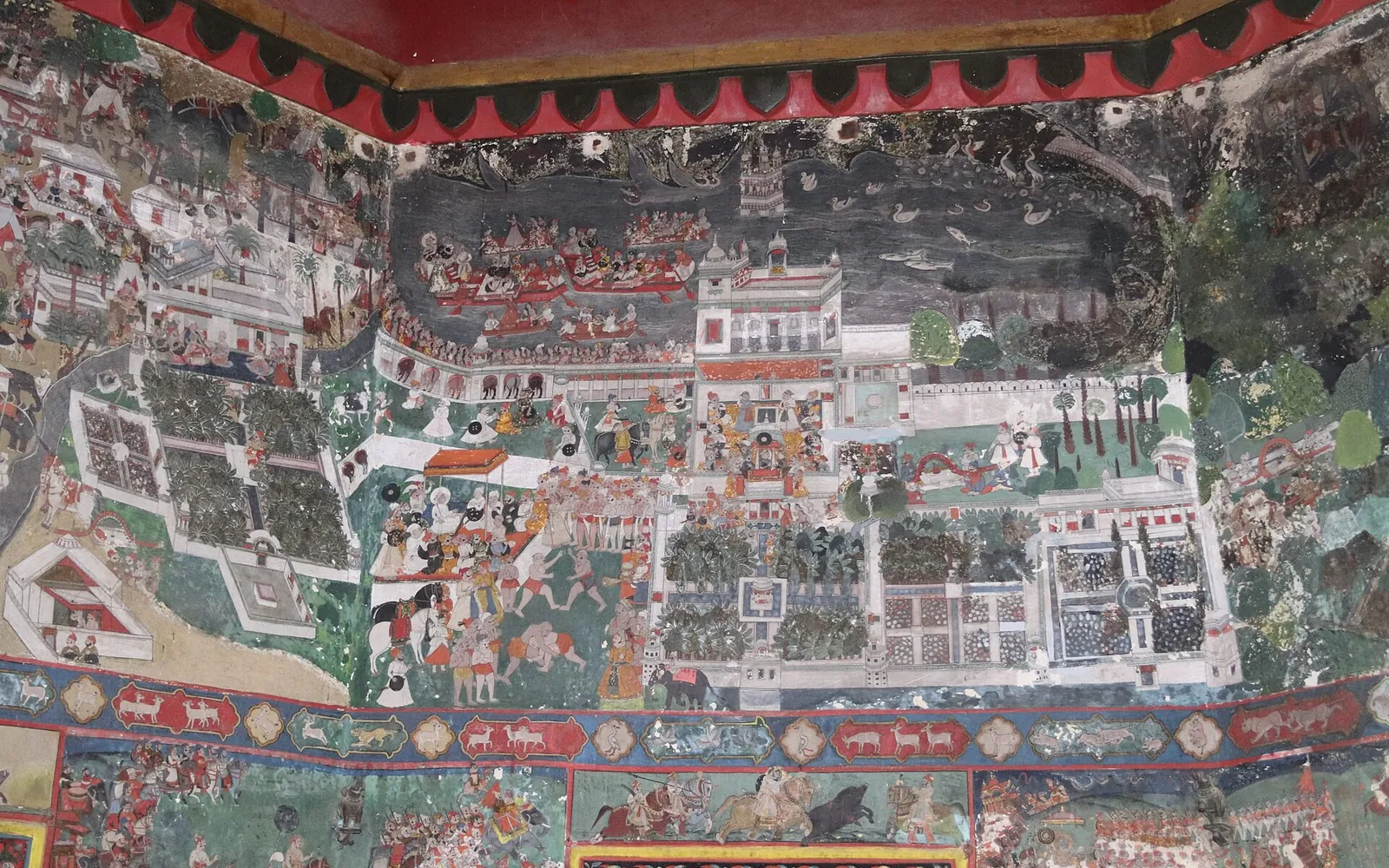
- The Garh and Rao Madho Singh Museum: portraits, weapons and Kota school paintings made for the court.
- Kesar Bagh: the cenotaphs of Kota’s rulers and royal family.
- Jagmandir on Kishore Sagar, built in the reign of Durjan Sal.
- Brijraj Bhawan and Umed Bhawan, the later palaces.
For the full sweep of the city’s past, read our history of Kota, or see all our people of Kota biographies.
Frequently asked questions
Who was the first ruler of Kota?
Rao Madho Singh, second son of Rao Ratan Singh of Bundi. Kota was granted to him for service to the Mughals; most sources give 1631 for the separate state, though some give 1624 or 1625.
Who was the last ruler of Kota?
Maharao Bhim Singh II, who ruled from 1940 and merged Kota into the Rajasthan Union in March 1948. He kept the title as head of the family until his death in 1991.
Who is the present Maharao of Kota?
Ijyaraj Singh, who succeeded his father Brijraj Singh in 2022 as head of the former royal family. The title has had no ruling powers since 1948, and princely privileges ended in 1971.
What title did the rulers of Kota use?
The early rulers were Rao. Bhim Singh I received the higher title Maharao in the early 18th century, and his successors kept it.
Were Kota and Bundi ruled by the same family?
Yes, by two branches of the Hada Chauhans. Bundi was the senior house; Kota began as a younger son's grant and grew larger and richer than its parent state.
Sources
Editorial team
The KotaRajasthan.net team writes about the places, history and festivals of Kota and Hadoti, and corrects pages when readers point out changes.