History and people
Famous personalities of Kota
Written by Kota Rajasthan Editorial Team · Updated
Cities are shaped by people, and Kota’s story runs through a prince who received a kingdom from the Mughal emperor, a regent who ran the state for half a century, rulers who modernised it, freedom fighters, and in our own time the teachers who turned it into a coaching town. This page introduces the figures who mattered most, with a page for each of the key historical figures.
Rulers, regents and reformers
- Rao Madho Singh: Founder of Kota State in 1631 and Legacy: Rao Madho Singh, the Hada prince of Bundi who received Kota as a separate state from Shah Jahan in 1631, founded its ruling line and began the Garh Palace.
- Maharao Bhim Singh I of Kota: Rank, Faith and Krishna: Maharao Bhim Singh I, the early 18th-century ruler who raised Kota’s rank at the Mughal court and made the city a centre of Pushtimarg Krishna devotion.
- Zalim Singh Jhala: The Regent Who Ran Kota for 50 Years: Zalim Singh Jhala, regent of Kota from the 1770s to 1824: his rise after Bhatwara, the 1817 British treaty, and how his heirs came to rule Jhalawar.
- Maharao Umed Singh II of Kota: The Moderniser (1889-1940): Maharao Umed Singh II ruled Kota from 1889 to 1940. How he modernised the state, built Umed Bhawan Palace and made the Dussehra fair a grand public event.
- Maharao Bhim Singh II: Kota’s Last Ruler and India in 1948: Maharao Bhim Singh II, the last ruler of Kota state, who took the throne in 1940 and in 1948 became Rajpramukh of the Rajasthan union, with Kota as capital.
- Rulers of Kota: The Hada Maharaos from 1631 to 1948: a dated list of every ruler of Kota, from Rao Madho Singh to the merger of 1948, with what each reign is remembered for.
- Colonel James Tod in Kota and Bundi: the British agent who dealt with Zalim Singh, helped install Bundi’s Ram Singh in 1821 and wrote the Annals of Rajasthan.
- Vijay Singh Pathik and the Bijolia Movement Near Kota: Vijay Singh Pathik, the revolutionary who led the Bijolia peasant movement on the edge of Hadoti and founded the Rajasthan Seva Sangh. His life and legacy.
The Hada rulers and the Kota court
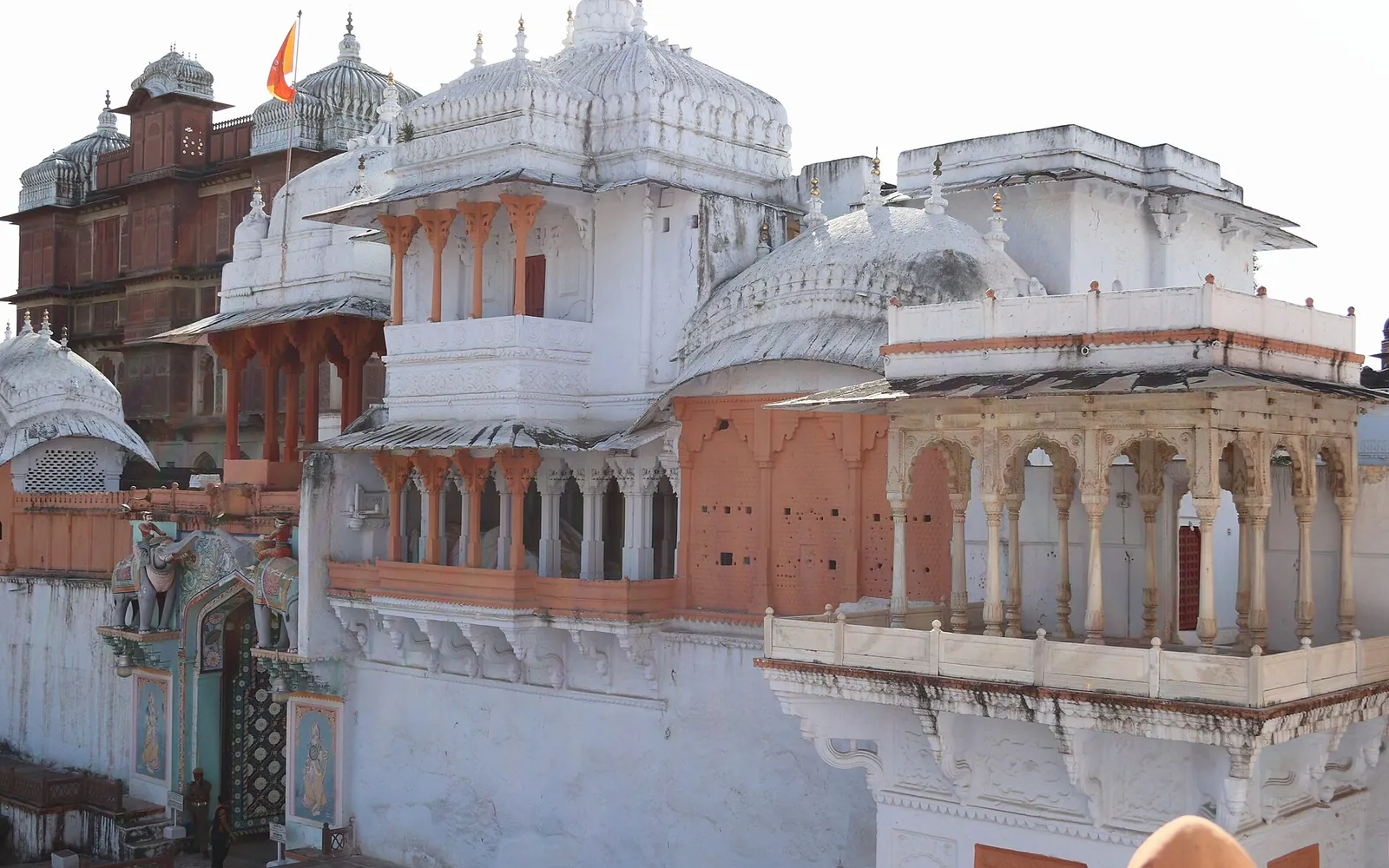
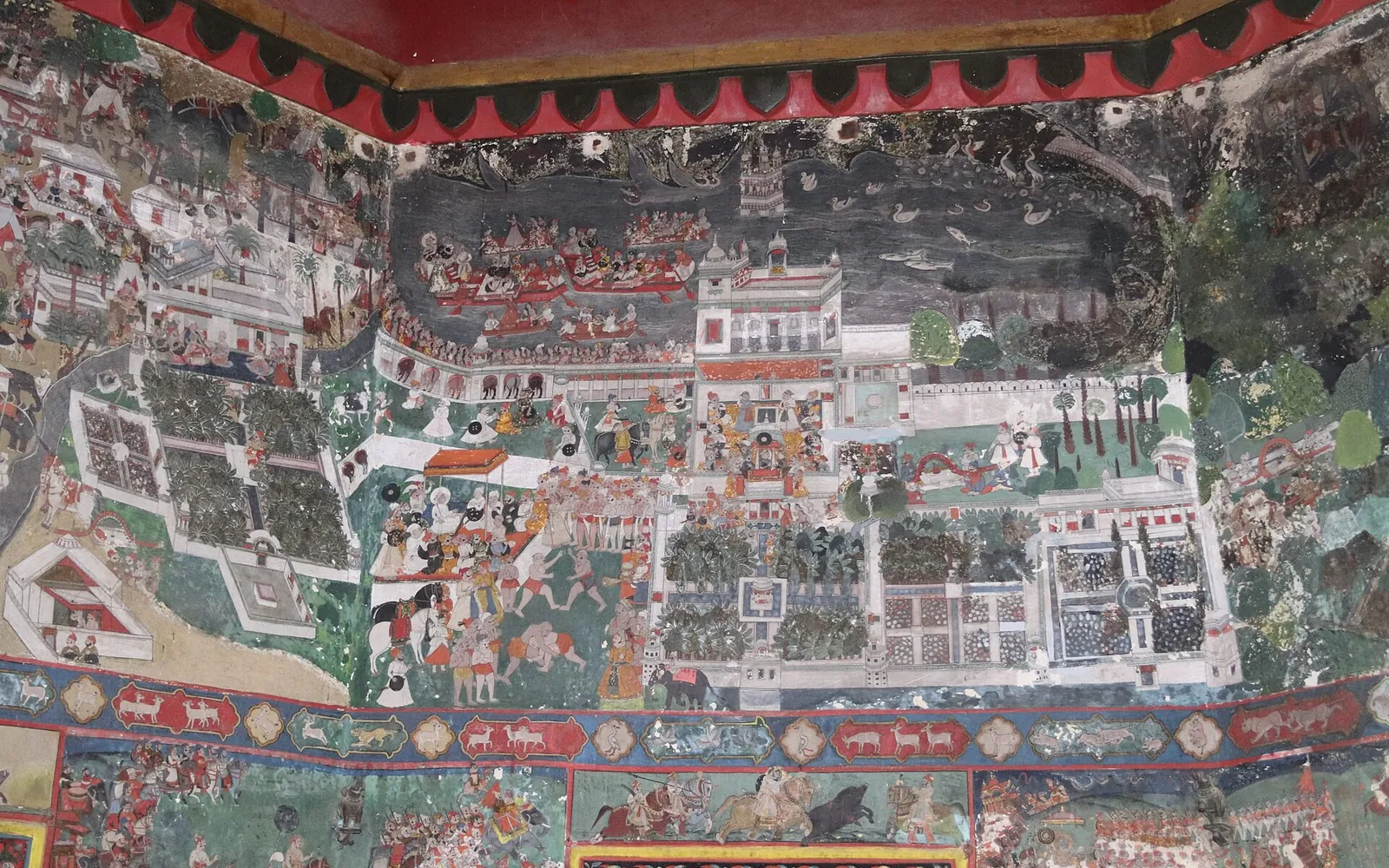
The Hada Chauhan rulers of Kota, first with the title Rao and later Maharao, ruled from 1631 until the princely states joined independent India. Under their patronage the Garh Palace grew into one of the largest palaces in Rajasthan and the Kota school of miniature painting, famous for its hunting scenes in dense jungle, became one of the great schools of Rajput art. The full story is in the history of Kota; for the founding branch see the history of Bundi, and for the 1857 rising and the 1948 merger see the 1857 revolt in Kota and the Rajasthan Union of 1948.
The coaching pioneers
Modern Kota’s best-known transformation began in the 1980s, when V. K. Bansal, an engineer working in the city, started teaching small groups of students for the IIT entrance exam. The results drew more students, other teachers followed, and within two decades the city had become India’s best-known coaching centre. Hundreds of teachers, many of whom arrived as young instructors and stayed, built the methods the city is known for. See Kota, the coaching capital of India.
The makers
Kota was equally shaped by people whose names are not recorded: the weavers of Kaithoon who kept Kota Doria alive, the quarry workers of Ramganjmandi who made Kota Stone famous, the kachori makers who have fed the city for generations, and the hostel owners, mess cooks and rickshaw drivers who keep the student economy running.
Sources
Editorial team
The KotaRajasthan.net team writes about the places, history and festivals of Kota and Hadoti, and corrects pages when readers point out changes.