History and people
Maharao Bhim Singh II: Kota's Last Ruler and Rajpramukh
Written by Kota Rajasthan Editorial Team · Updated
Maharao Bhim Singh II was the last ruler of Kota as a princely state. He succeeded his father, Maharao Umed Singh II, in 1940, signed Kota’s accession to India in 1947, and in March 1948 became the first Rajpramukh, the constitutional head, of the union of states that grew into modern Rajasthan. He lived until 1991, long enough to see Kota turn from a princely capital into an industrial and coaching city.
Early life
Bhim Singh was born on 14 September 1909, the only son and heir of Umed Singh II. In 1930 he married Maharani Shivkumari, a daughter of Maharaja Ganga Singh of Bikaner. The couple had a son, Brijraj Singh, born in 1934, and two daughters.
Ruler in the last years of the princely states
He came to the throne in December 1940, during the Second World War, when the princely states were still under British paramountcy. He served as an officer in the army during the war and rose through the ranks. He had plans for education and modernisation in Kota, but there was little time to carry them out: within seven years India was independent, and the hundreds of princely states had to decide how to join the new country. He was knighted (KCSI) in 1947 and signed the Instrument of Accession to the Dominion of India in August that year.
Rajpramukh of the Rajasthan Union, 1948
On 25 March 1948 Kota joined with neighbouring states of south-east Rajputana, including Bundi and Jhalawar, to form the Rajasthan Union. Kota was chosen as its capital, and Bhim Singh II became its Rajpramukh. Within weeks the union was enlarged when Udaipur joined; because the Maharana of Udaipur ranked higher, he became Rajpramukh and Bhim Singh II became Uprajpramukh (deputy). The union was enlarged again over the following year, as Jaipur, Jodhpur, Bikaner and others joined, eventually becoming the state of Rajasthan with Jaipur as its capital. Bhim Singh II remained Uprajpramukh until the office, along with that of Rajpramukh, was abolished on 31 October 1956.
Dates in different sources for Kota’s merger vary between 25 March and April 1948 because the process happened in stages; the history of Kota gives the background.
Public life after the merger
In 1956 he served as an alternate delegate to the United Nations General Assembly. From 1959 he was president of the Rajasthan Board for the Preservation of Wildlife, a role that connects him to the conservation of the Chambal and the forests around Kota, today protected as the National Chambal Sanctuary and the Mukundara Hills Tiger Reserve.
The Olympic shooter
Bhim Singh II was an expert marksman. He captained the Indian shooting team at the Singapore shooting championships in 1969, at the 1976 Summer Olympics in Montreal and at the 1978 Asian Games, and his honours include the Arjuna Award (1971), India’s award for sporting achievement.
Later years
In 1971 the Government of India withdrew the titles and privileges of the former rulers. Bhim Singh II remained head of the former royal family and an important cultural figure in Kota. He died on 20 July 1991, aged 81, and was succeeded as head of the family by his son Brijraj Singh (1934-2022). The present head of the family is Maharao Ijyaraj Singh.
Kota after the merger
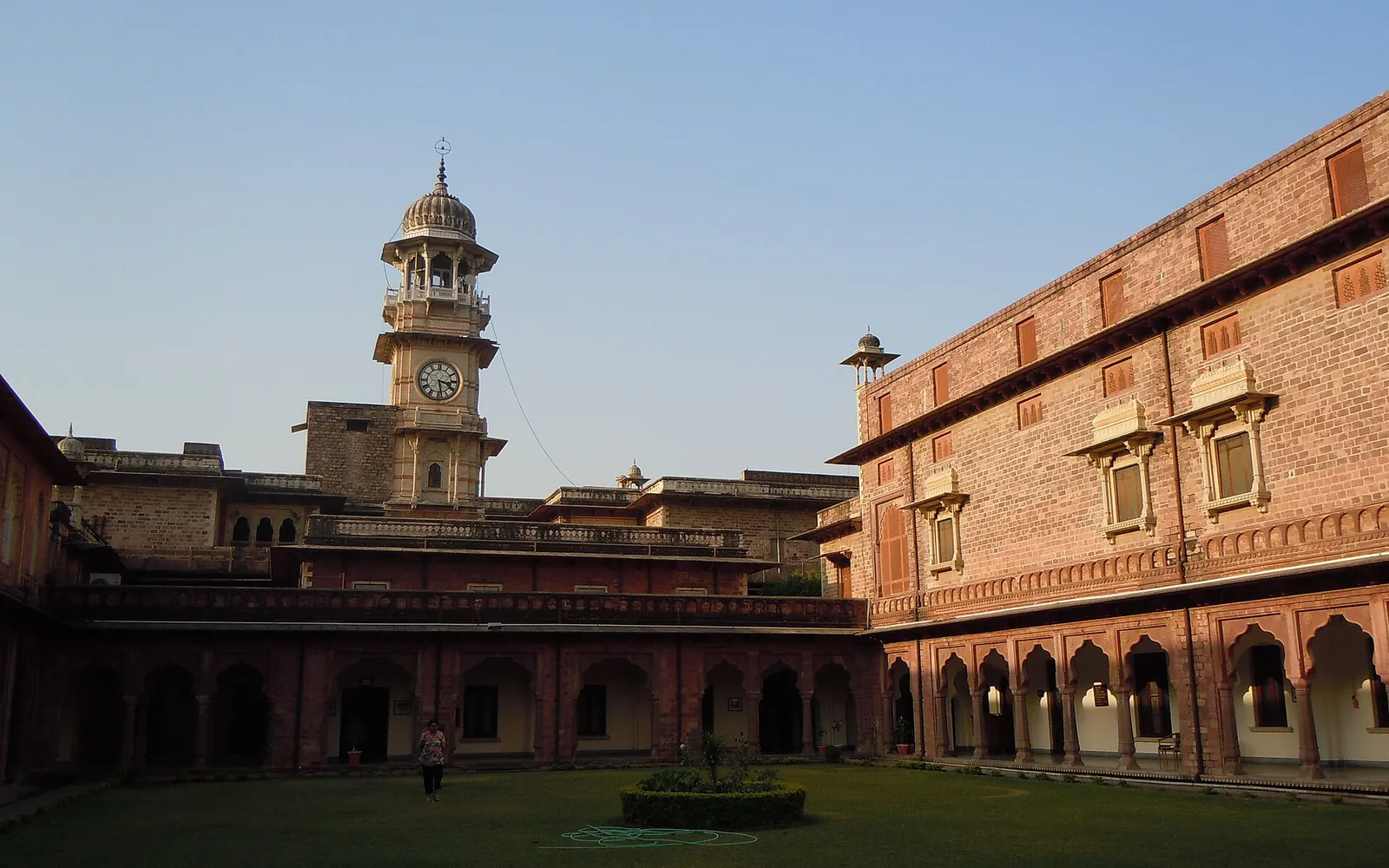
With the merger, the government of Kota passed to the elected administration of Rajasthan, and the former ruling family became custodians of the palace and its traditions. The decades that followed transformed the city: the Kota Barrage and other dams of the Chambal valley project, large industries and, later, the coaching boom described in modern Kota. The former royal family has continued to play a ceremonial role in events such as the Dussehra Mela, whose procession sets out from the Garh Palace.
Legacy
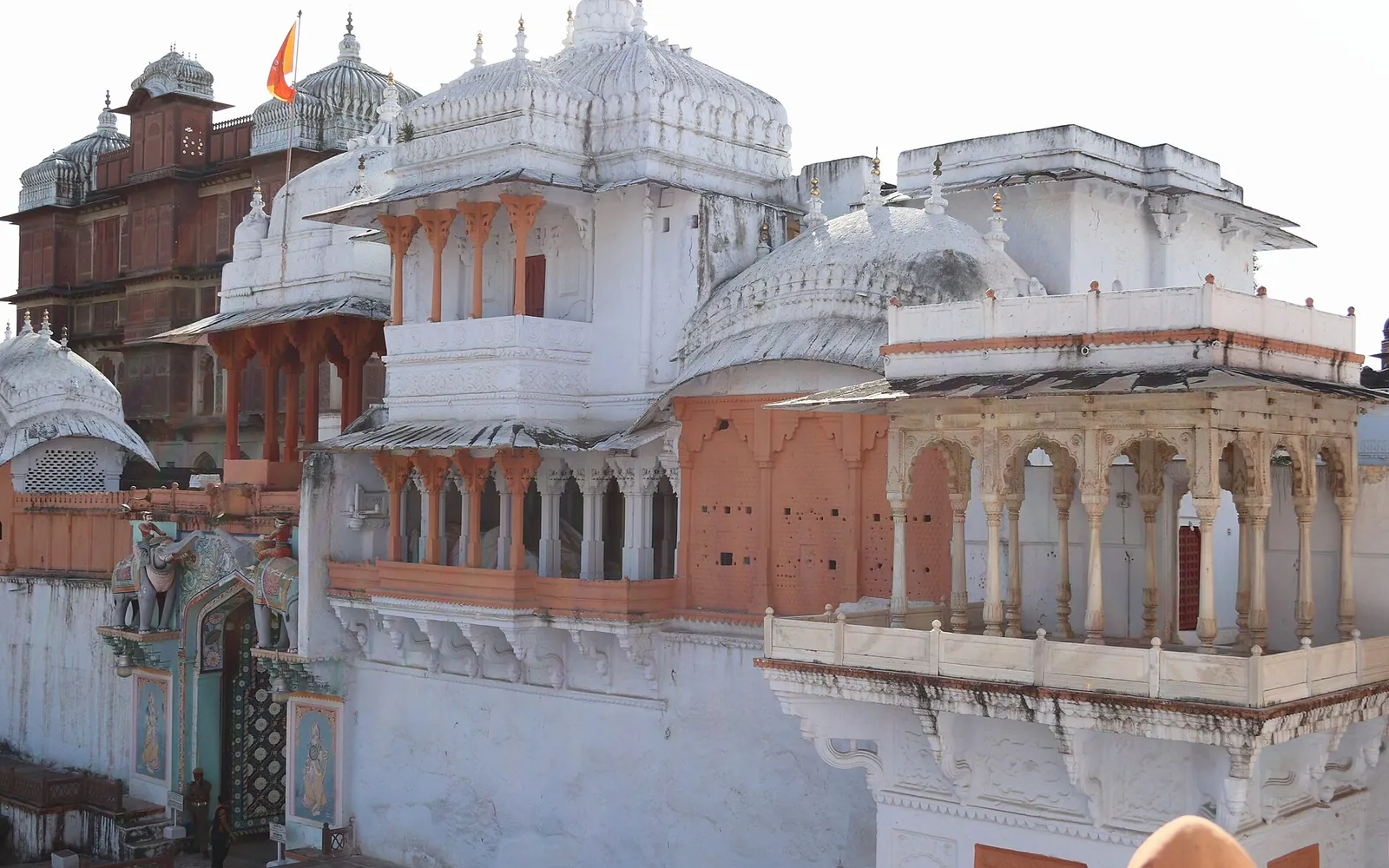
Bhim Singh II bridged two worlds: he was the last Maharao to rule Kota and the first head of the union that grew into Rajasthan. The Garh Palace and its museum preserve the collections of the dynasty he led into the modern era; see museums in Kota.
Read the full history of Kota or meet the other people who shaped the city.
Frequently asked questions
Who was the last ruler of Kota?
Maharao Bhim Singh II, who ruled from 1940 until Kota merged into the Rajasthan Union in 1948. He remained head of the former royal family until his death in 1991.
What was Bhim Singh II's role in forming Rajasthan?
When Kota, Bundi, Jhalawar and other states formed the Rajasthan Union on 25 March 1948, Kota was its capital and Bhim Singh II became its Rajpramukh. When Udaipur joined weeks later, the Maharana of Udaipur became Rajpramukh and Bhim Singh II became Uprajpramukh.
Was Maharao Bhim Singh II an Olympic shooter?
Yes. He was an expert shooter and captained the Indian shooting team at the 1976 Summer Olympics, as well as at the 1969 Singapore championships and the 1978 Asian Games.
Who succeeded Bhim Singh II?
His son Brijraj Singh (1934-2022) became head of the former royal family in 1991. The present head is Maharao Ijyaraj Singh.
Sources
Editorial team
The KotaRajasthan.net team writes about the places, history and festivals of Kota and Hadoti, and corrects pages when readers point out changes.