Festivals
Kota Dussehra Mela History: From 1723 to the 133rd Edition
Written by Kota Rajasthan Editorial Team · Updated

Every year the Kota Dussehra Mela is announced with a number. In 2026 it is the 133rd Rashtriya Dussehra Mela. Yet the official festival portals say it began in 1723, which would make it more than 300 years old. Both are true, and the gap between them is the story of how a palace observance became a 26-day public fair. This article covers that history; for this year’s dates, venue and what is new in 2026, see the event page.
1723: Maharao Durjanshal Singh Hada
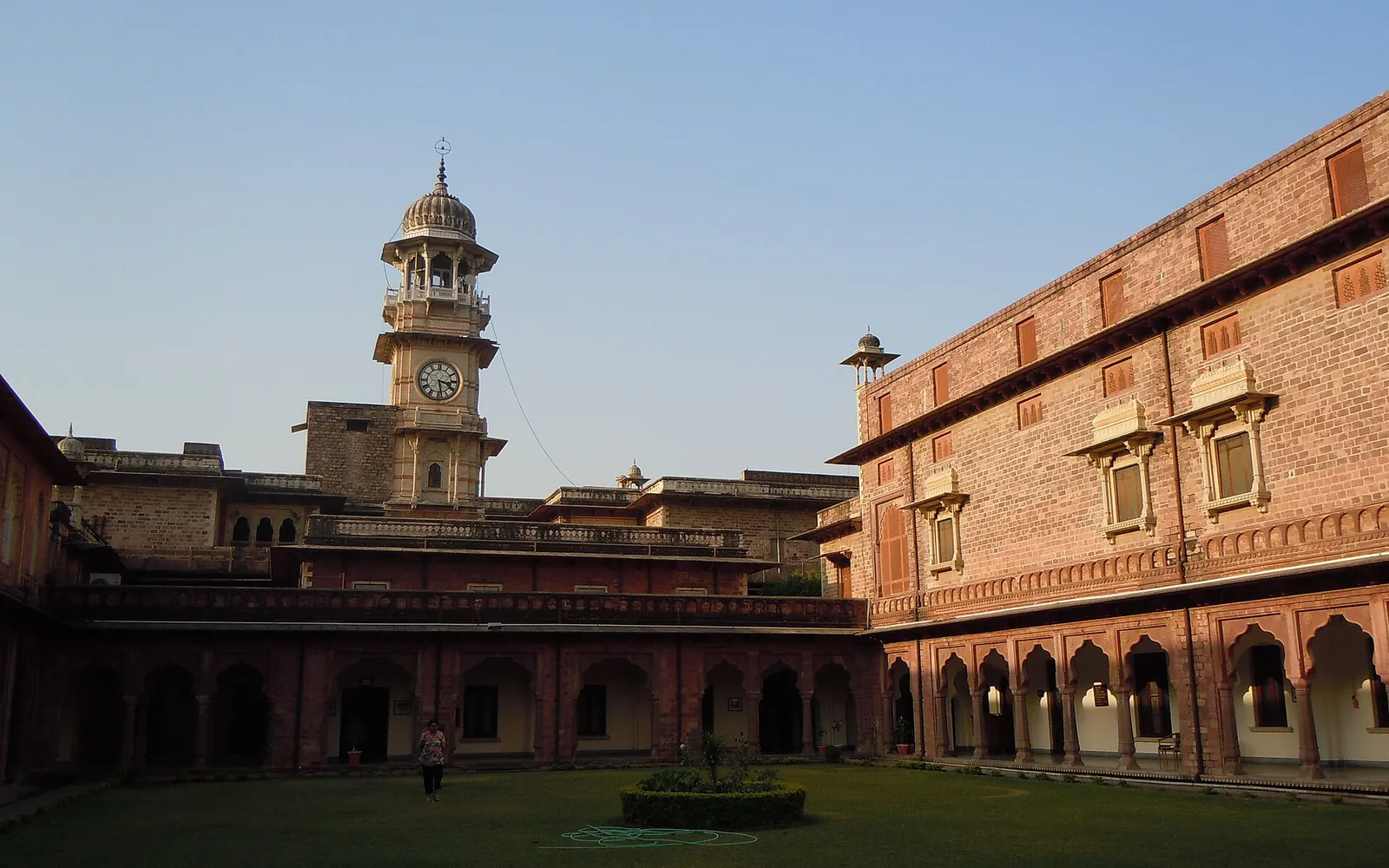
The Ministry of Culture’s festival portal and the Ministry of Tourism’s Incredible India listing both place the origin of Kota’s Dussehra celebrations in 1723 AD, in the reign of Maharao Durjanshal Singh Hada. In that first form the main events were religious programmes at the temples. Two things that still define the Kota Dussehra began at the same time: the royal processions, and the Darikhana, the durbar at which the thikanedars (holders of estates under the Kota state) assembled before the Maharao at the palace.
The princely pattern: nine days, the Navami ride and the Darikhana
Sources describe the princely-era festival in two slightly different ways. The Ministry of Culture portal calls it a three-day festival. Patrika’s series on the royal fair describes a nine-day celebration beginning on Ashwin Shukla Panchami, the fifth day of Navratri. One reading is that the religious observance ran nine days while the public spectacle concentrated on the last three; the sources themselves do not say.
The fixed points were these. On Navami, the ninth day, the Maharao rode in procession from the Garh (the city palace) to the Ashapura Mata temple outside Kishorepura Darwaza, the gate on the side of the city that faces today’s Dussehra Maidan. On Dashami came the Ravan vadh. The savari then returned to the Garh, where the Darikhana was held, the thikanedars of the state paying their respects to the ruler in open durbar. The effigies of that era were 20 to 25 feet tall.
The 2026 programme still carries the skeleton of this pattern: Durga puja at the Ashapura Mata Mandir on the first day, a bhajan sandhya at the same temple on Navami, and the Shri Laxminarayan ji procession leaving Garh Palace on Dussehra afternoon.
Ummed Singh II and the grander fair
Maharao Ummed Singh II ruled Kota from 1889 to 1940, and the official sources credit him with making the Dussehra celebration grander and more colourful. The fair as a public event, with traders, performers and visitors from the villages of Hadoti, takes its recognisable shape in his reign. Historian Firoz Ahmed, quoted by Patrika in 2017, recorded that shopkeepers at the fair paid no tax in princely times.
Ravanji, the vadh and the cannon that fell silent in 1963
Kota does not, strictly, have a Ravan dahan. The local tradition is Ravan vadh, the slaying, in which a representative of the ruling house shoots an arrow at the effigy before it burns. That is why in 2024 ex-MP Ijyaraj Singh of the former royal family shot the arrow at the 80-foot Ravan, and why The Tribune, writing in 2008, found the festivities still centred on the palace and Maharao Brijraj Singh. Kota also speaks of the demon king with a courtesy few cities extend him: Firoz Ahmed notes that he is called “Ravanji”, with the honorific.
Two features of the old fair have gone. Until 1963, cannon fire was one of the attractions of the Dussehra ground; the guns were known by names such as “Nau Durga” and “Narayan Baan”. And the effigies were once permanent: figures of Ravan, Meghnad, Kumbhkaran, Mandodari and Khar-Dushan stood on the ground year-round. Today’s Ravan is built fresh each year by a contracted artisan and is ash by the morning after Dashami.
Clay Ravan at the akhadas: the Jethi samaj
Before the big effigy burns at the ground, a smaller Ravan is dealt with on Dussehra morning. Wrestlers of the Jethi samaj, Kota’s traditional wrestling community, make a Ravan of clay at the Nanta and Kishorepura akhadas and trample it underfoot. It is a more local rite than the stage spectacle, and it ties the festival to the city’s akhada culture, which surfaces again at the end of the fair in the two kushti dangal days. kotasports.com has the full account of Kota’s akhadas and the Jethi samaj wrestling tradition.
Counting the editions: why 2026 is the 133rd
The edition numbers are consistent across years of reporting.
| Year | Edition | Reported by |
|---|---|---|
| 2017 | 124th | Patrika |
| 2024 | 131st | PTI |
| 2025 | 132nd | ETV Bharat, Patrika |
| 2026 | 133rd | ETV Bharat, quoting Kota Nagar Nigam |
Count back from 133 in 2026 and the first numbered fair falls in 1894, within the reign of Ummed Singh II. That is an inference from the numbering, not a documented founding date: no source available to us names the event of 1894 that started the count, or the year the fair took the “Rashtriya” (National) title. Patrika in 2017 put it this way: the fair is “officially” 123 years old while the tradition behind it is far older. The simplest reading is that the count marks the fair’s reorganisation as a public mela under Ummed Singh II, while 1723 marks the court festival it grew out of.
How tall the Ravan has been
| Year | Ravan | Kumbhkaran and Meghnad | Note |
|---|---|---|---|
| Princely era | 20 to 25 ft | Not recorded | Permanent effigies once stood on the ground |
| 2024 (131st) | 80 ft | 60 ft each | 3D effects, green fireworks and cold pyro; arrow shot by Ijyaraj Singh |
| 2025 (132nd) | 221.5 ft (planned 215; one post-event report said 233) | 60 ft each | Record attempt; took about six hours to burn out |
| 2026 (133rd) | More than 105 ft | About 70 ft each | Animated: rotating head, sword, moving moustache, blinking eyes |
The jump from 25 feet to 221.5 feet is the modern history of the fair in one column. The 2025 record was claimed for the Asia Book of Records and India Book of Records, though certification was not confirmed in the reports available; the burn itself went badly, and 2026 has deliberately come down to a 105-foot effigy that moves. The 2026 effigy and what went wrong in 2025 are covered in detail on the Ravan Dahan page.
Voices on the Vijayshree stage
The cultural evenings have a lineage of their own. Firoz Ahmed recalls the poet Harivansh Rai Bachchan and the singer Hemant Kumar performing at the Kota fair in earlier decades. The fair once hosted an all-India mushaira and a qawwali night as regular features; neither appears in the 2026 list. In 2025 the Star Night brought B Praak to the stage. The 2026 line-up for the Kavi Sammelan, Punjabi Night and Cine Sandhya has not been announced as of 11 October 2026. Vijayshree Rangmanch itself, the stage these evenings use, has an origin year we could not confirm.
What the fair is now
From a court observance to a 26-day fair with a Rs 10 crore budget in 2025, more than 700 stall allotments, two stages and the Rashtriya tag, the Kota Dussehra Mela has kept its anchors: the Ashapura Mata temple, the procession from the Garh, the arrow, and Ravanji. The Incredible India listing calls it an important cultural symbol of the Hadoti region. A 2016 report found the fair a big draw for the city’s coaching students during the Diwali break, which may be the best measure of what it has become: the one week when Kota’s temporary residents go out as locals.
For the other fairs and festivals of the year, see the festivals in Kota and Hadoti calendar.
Frequently asked questions
When did the Kota Dussehra Mela start?
In 1723 AD, under Maharao Durjanshal Singh Hada, according to the Ministry of Culture and Ministry of Tourism portals. The early festival centred on temple rituals, royal processions and the Darikhana durbar at the palace. The official edition count is separate and begins later.
Who started the Kota Dussehra Mela?
Maharao Durjanshal Singh Hada of Kota in 1723. Maharao Ummed Singh II, who ruled from 1889 to 1940, is credited with making the celebration grander and more colourful, and the official edition numbering appears to begin in his reign.
Why is 2026 called the 133rd mela if the fair began in 1723?
The edition count is 124th in 2017, 131st in 2024, 132nd in 2025 and 133rd in 2026, which implies a start in 1894. That is an inference from the numbers; no source we have names the 1894 event. The 1723 date refers to the older court festival.
What does Ravanji mean in Kota?
Kota refers to the demon king with the honorific ji, as Ravanji, according to historian Firoz Ahmed. The local tradition is also Ravan vadh, a slaying by arrow, rather than a plain dahan, which is why a member of the former royal family shoots an arrow at the effigy.
How tall were the Ravan effigies in the princely era?
About 20 to 25 feet, and some effigies, including Ravan, Meghnad, Kumbhkaran, Mandodari and Khar-Dushan, once stood permanently on the ground. By comparison the Ravan was 80 feet in 2024, 221.5 feet in 2025 and more than 105 feet in 2026.
When did the cannon fire at the Kota Dussehra stop?
In 1963. Until then cannon fire was one of the attractions of the Dussehra ground, with guns known by names such as Nau Durga and Narayan Baan, according to historian Firoz Ahmed as reported by Patrika in 2017. Shopkeepers at the fair also paid no tax in princely times.
Sources
Editorial team
The KotaRajasthan.net team writes about the places, history and festivals of Kota and Hadoti, and corrects pages when readers point out changes.