History and people
Vijay Singh Pathik and the Bijolia Movement Near Kota
Written by Kota Rajasthan Editorial Team · Updated
Vijay Singh Pathik was a revolutionary and organiser of farmers who became one of the best-known figures of the freedom struggle in Rajasthan. He is remembered above all for leading the Bijolia Kisan Andolan, a long peasant movement in the estate of Bijolia, on the edge of the Hadoti region between Kota and Chittorgarh. Popularly called Rashtriya Pathik, he was also a journalist, poet and political organiser whose work linked the struggles of the princely states with the national movement.
Early life
Pathik was born Bhoop Singh in 1882 in Guthawali village, in Bulandshahr district of present-day Uttar Pradesh, into a Gurjar family. His family’s memories of the 1857 uprising, in which his grandfather is said to have been killed fighting the British, influenced him deeply, and he joined revolutionary circles while still a teenager.
From revolutionary to Pathik
After being implicated in the Lahore conspiracy case of 1915, a plan for an armed uprising against British rule, he went underground in Rajputana under a new name, Vijay Singh Pathik. In the princely states, away from British India’s police, he turned from conspiracy to organising ordinary people.
The Bijolia peasant movement
Bijolia was a jagir (estate) of the Mewar state, held by a Parmar noble. From the 1890s its farmers had protested against rising land revenue and dozens of extra levies (lagat) and forced labour (begar). In 1913 thousands of farmers led by Fateh Karan Charan left their land uncultivated in a no-tax campaign.
Pathik arrived in Bijolia in 1916, when war-fund contributions were added to the farmers’ burdens, and organised them under the Bijolia Kisan Panchayat. Petitions went to the Maharana of Udaipur and the press began to report the agitation. Two commissions of inquiry, the second appointed in February 1920, found the farmers’ grievances genuine, but their recommendations were not carried out. Pathik advised farmers to shift to unirrigated land, which was taxed less, and the refusal to pay spread to neighbouring estates such as Begun, Parsoli and Bhinder.
The movement drew national attention. Lokmanya Tilak wrote to Maharana Fateh Singh in support of the farmers’ demands, and Mahatma Gandhi sent his secretary Mahadev Desai to study the movement. Finally the British Agent to the Governor General pressed for a settlement, and the Bijolia Agreement was signed on 11 February 1922, reducing land revenue and several levies and ending taxes in years of no cultivation. Complaints that the agreement was violated revived the agitation later, and the movement continued in phases until 1941. Pathik himself was jailed for his role, held in a special jail at Todgarh.
Journalist, poet and organiser
Pathik edited the Hindi papers Rajasthan Kesari and Naveen Rajasthan, wrote for Tarun Rajasthan, and started his own weeklies, Rajasthan Sandesh and Nav Sandesh, from Ajmer. His books include the novel Ajay Meru, a collection of stories, Pathik Pramod, his letters from jail and a collection of poems, and he wrote a flag song that was widely sung in the period. To link the scattered movements in the princely states he founded the Rajasthan Seva Sangh in 1919, which later worked from Ajmer and trained a generation of activists who went on to the Praja Mandal movements. He also served as president of the Rajputana and Madhya Bharat Provincial Congress, and took up the cause of a united Rajasthan with national leaders.
In 1930 he married Janki Devi, who became an activist in her own right and continued his social work after his death.
Death and memory
Pathik died in 1954 at his home in Mathura. The Government of India later issued a postage stamp in his honour, and roads, chowks and a government college in Uttar Pradesh and Delhi bear his name.
Connection to Kota and Hadoti
Bijolia lies in today’s Bhilwara district, about 70 km from Kota on NH 27 and about 50 km from Bundi, and the movement drew in villages along the border of Mewar and Hadoti; some farmers moved to cultivate land in neighbouring Bundi. The awakening it started fed into the later political organisations in Kota, Bundi and Jhalawar that pressed the princely governments for representation before the merger of 1948 (see Maharao Bhim Singh II).
Visiting Bijolia today
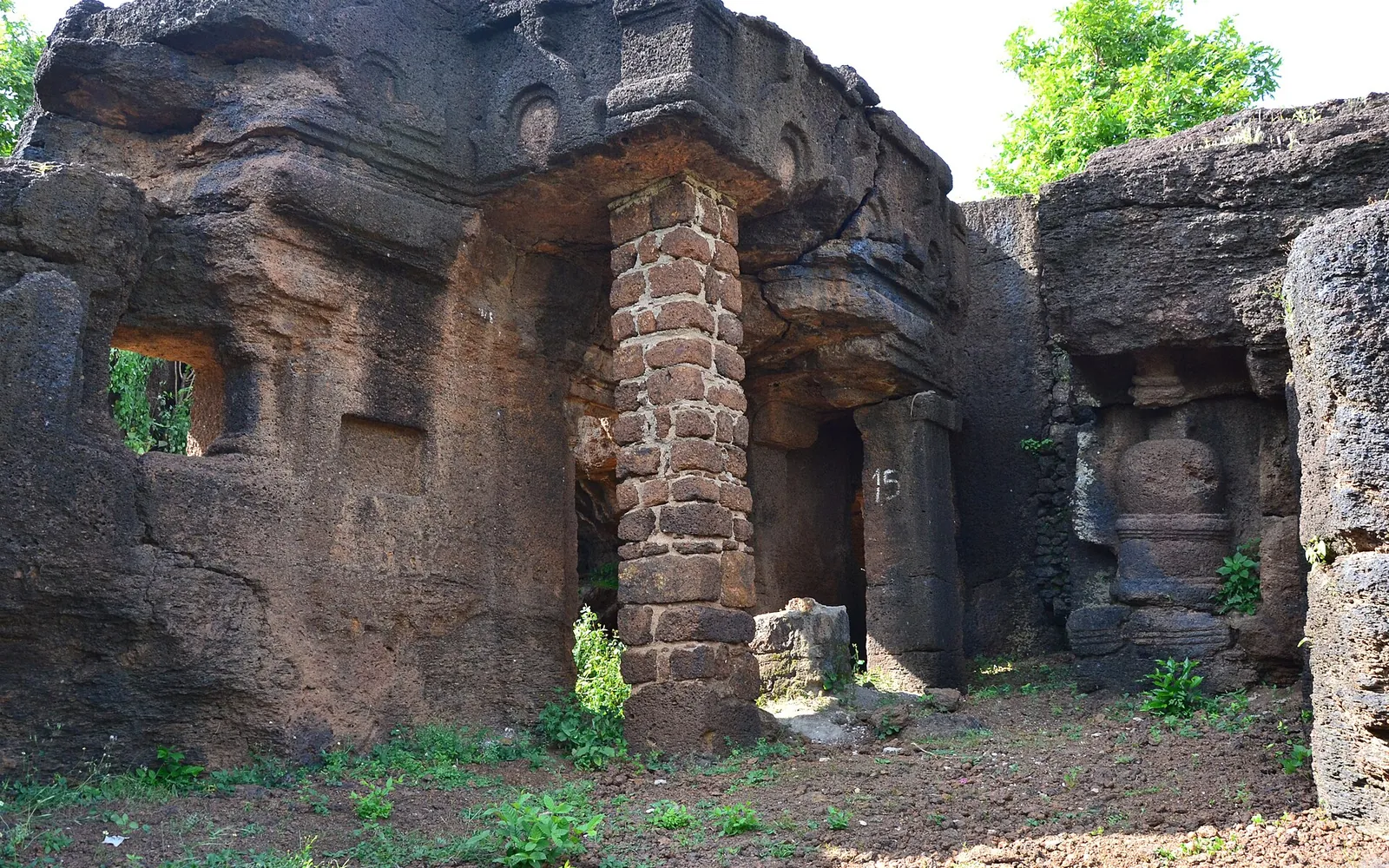
Bijolia is now best known to travellers for its old temple group and for a 12th-century Chauhan rock inscription dated 1170 CE, and it lies close to the temples and waterfall at Menal. See Bijolia temples and Menal, both on our 10-day Hadoti itinerary, and the hidden gems around Kota.
Read the full history of Kota or meet the other people who shaped the region.
Frequently asked questions
Who was Vijay Singh Pathik?
A revolutionary and freedom fighter, born Bhoop Singh in 1882 in Bulandshahr district of what is now Uttar Pradesh, who took the name Vijay Singh Pathik after the 1915 Lahore conspiracy case and became the leading organiser of the Bijolia peasant movement.
What was the Bijolia movement?
A long campaign by the farmers of the Bijolia estate in Mewar against heavy land revenue, extra levies and forced labour. It ran in phases from the 1890s to 1941; Pathik led it from 1916, and it won the Bijolia Agreement of 1922.
Where is Bijolia?
In Bhilwara district, about 70 km from Kota on NH 27 and about 50 km from Bundi, close to the Menal temples. It is known today for its old temples and rock inscriptions as well as its history.
How is Vijay Singh Pathik remembered?
As Rashtriya Pathik. The Government of India issued a postage stamp in his honour, and roads, chowks and a college are named after him.
Sources
Editorial team
The KotaRajasthan.net team writes about the places, history and festivals of Kota and Hadoti, and corrects pages when readers point out changes.