History and people
Bhawani Singh of Jhalawar: The Reformer Maharaj Rana
Written by Kota Rajasthan Editorial Team · Updated
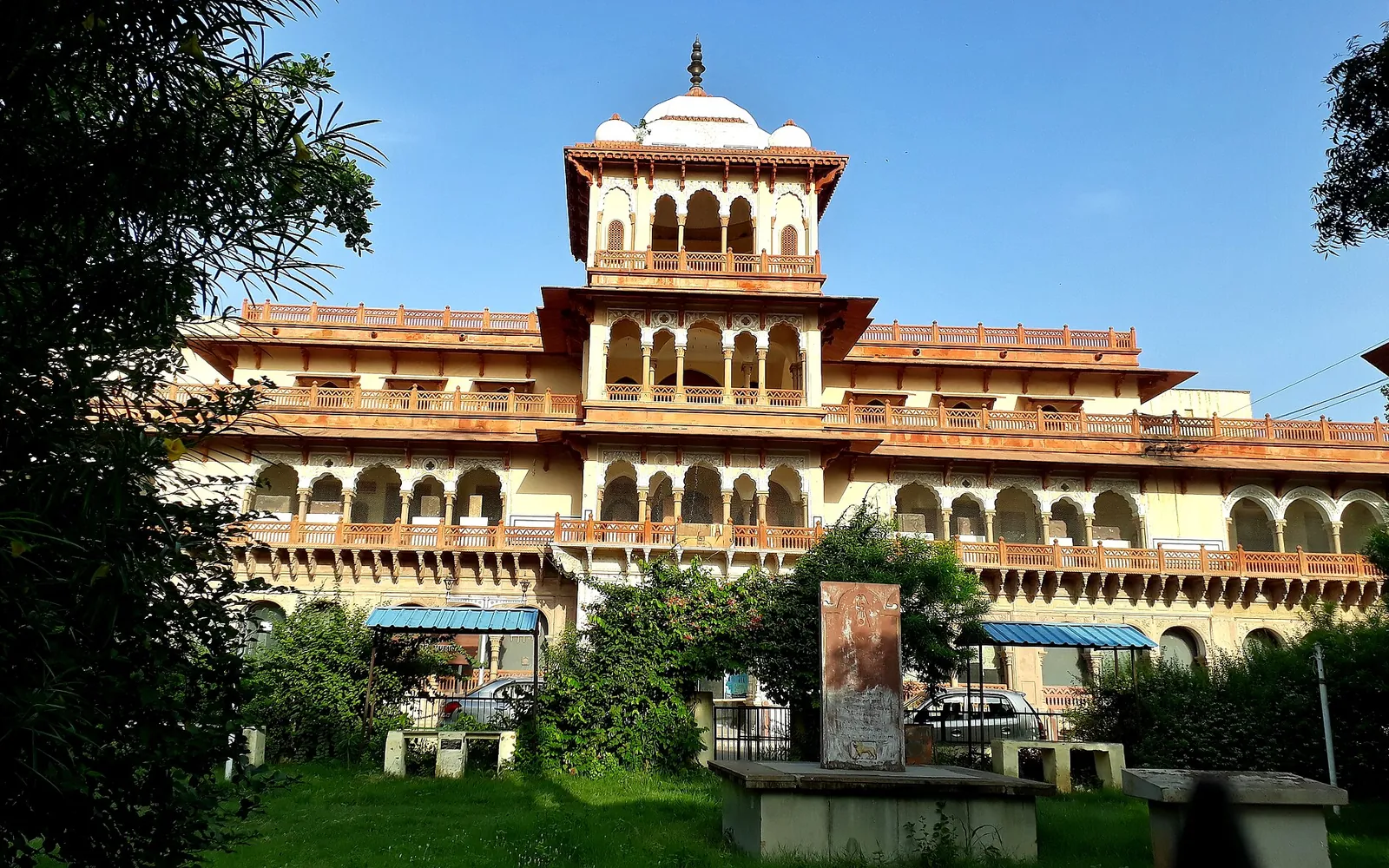
Bhawani Singh of Jhalawar is the ruler behind most of what visitors admire in Jhalawar today. Installed in 1899 as chief of a newly reshaped state, he spent thirty years modernising it: he ran famine relief, made schooling free, pushed for the education of girls, opened one of Rajasthan’s first museums and built a European-style theatre in a small Hadoti town. He also travelled widely and wrote about it. This profile follows his life from Mayo College to his death at sea, with links to the places in Jhalawar that carry his name.
Birth and background
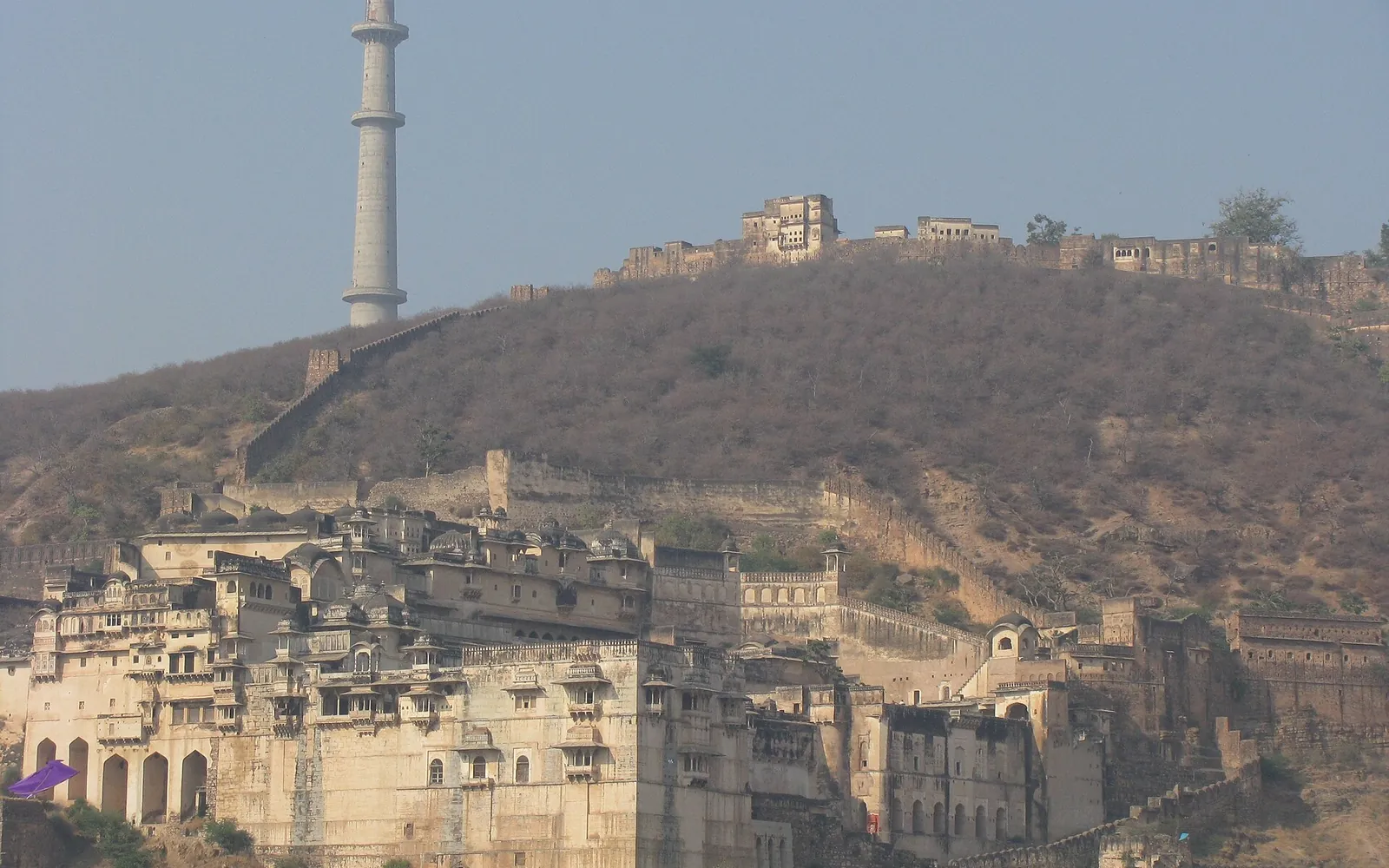
Bhawani Singh was born on 4 September 1874, the son of Thakur Chhatrasal of Fatehpur. The family were Jhala Rajputs, descendants of Madho Singh, who had come to Kota in the early 18th century and become the first Jhala commander of the Kota State troops. Madho Singh’s line produced Zalim Singh Jhala, the regent who effectively ran Kota for decades, and in 1838 the British carved Jhalawar State out of Kota for Zalim Singh’s descendants. Our history of Jhalawar tells that story in full.
He was educated at Mayo College in Ajmer from 1881 to 1891, where he did well in both studies and sport, and then joined the Jhalawar State Police.
How he came to rule
The old Jhalawar State ran into trouble under its ruler Zalim Singh II, who was deposed on 22 March 1896. The 1911 Encyclopaedia Britannica quotes the government’s reason: persistent misgovernment and proved unfitness for the powers of a ruling chief. He retired to Benares on a pension.
The British then decided, in 1897, to break up the state. Most of its territory was returned to Kota, and a new, smaller Jhalawar was formed from two districts, Shahabad and the Chaumahla. It came into existence on 1 January 1899. Bhawani Singh, as a descendant of the original Zalim Singh, was chosen as its first chief and was invested with full powers on 6 February 1899 by Sir Arthur Martindale, the Governor-General’s Agent in Rajputana. The new state started with reduced dignity: the title was lowered from Maharaj Rana to Raj Rana and the gun salute from 15 to 11.
Famine, finance and administration
His reign began in crisis. The Indian famine of 1899-1900 hit Jhalawar, and he personally supervised relief: shelters for the poor, grain brought in from the United Provinces and sold below market prices, and the remission of rent arrears. He also:
- adopted the Imperial Postal Union, British currency and standard weights;
- introduced the Nagari script in the courts and state offices;
- abolished a number of petty and vexatious taxes.
In 1912 he studied the working of the British Parliament while in London and afterwards introduced a form of constitutional government in Jhalawar, though he kept considerable power in his own hands.
Schools and the education of girls
Education was the cause he is best remembered for. He set up district and girls’ schools and made education free in all state schools, up to and including the high school, with books and materials supplied at no cost. He supported widow remarriage and spoke against untouchability. The results drew attention beyond Rajputana: The Indian Ladies’ Magazine praised him as having done more for female education than any other Indian ruler.
The museum, the theatre and the arts
Two of Jhalawar’s best-known buildings are his.
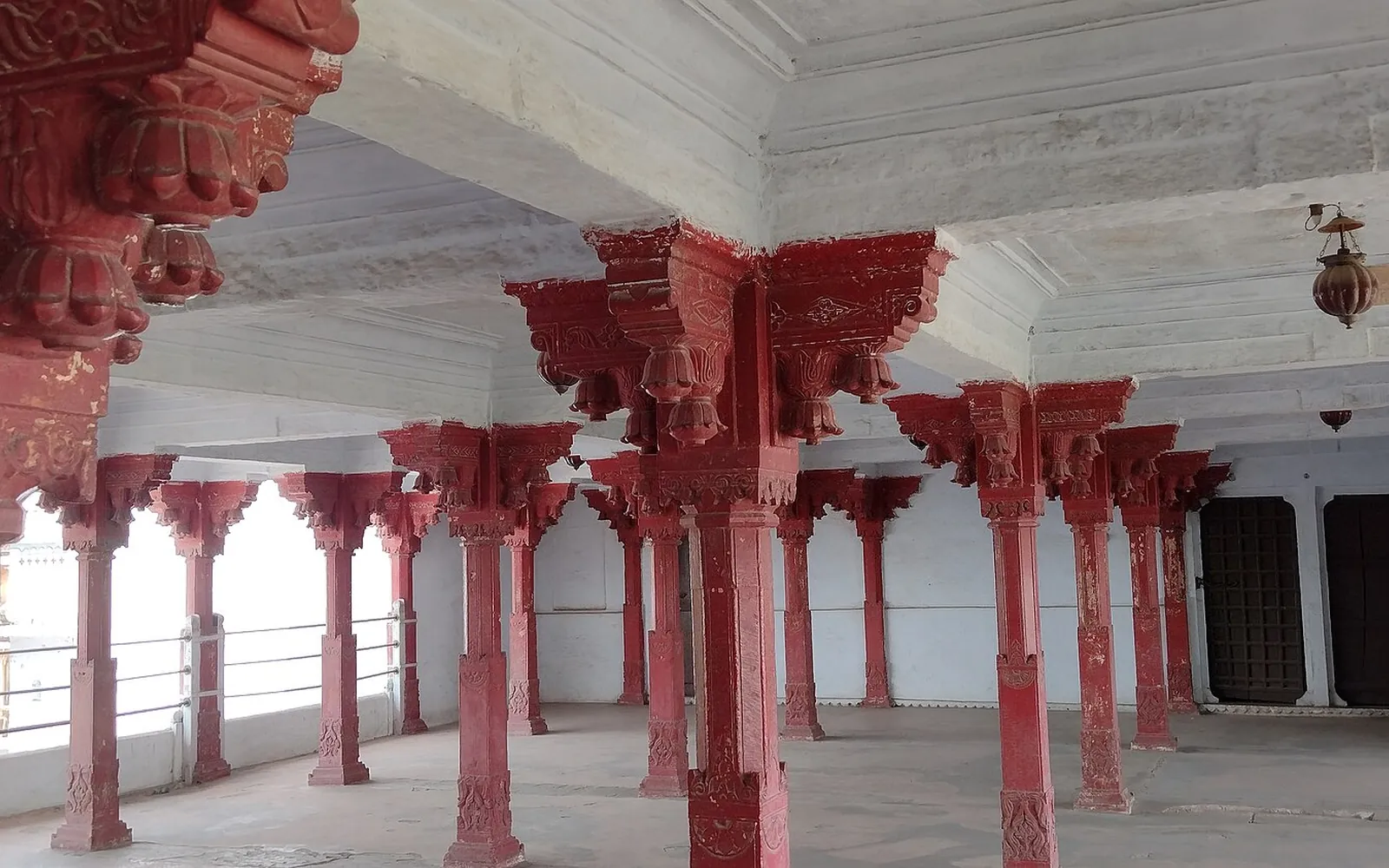
- The Government Museum, established in 1915 within the Garh Palace, is one of the oldest museums in Rajasthan. See museums in Kota and Hadoti.
- The Bhawani Natyashala, completed in 1921, was built for plays and cultural events and was inspired by the opera houses he had seen in Europe.
He was also a patron of painting. On a visit to Nathdwara in 1916-17 he met the artist Ghasiram Hardev Sharma, attached to the Shrinathji temple, and persuaded him to move to Jhalawar at double his salary. Ghasiram stayed about ten to twelve years and painted murals, portraits and whole rooms in the Garh Palace.
Travels in Europe
In 1904 he toured Europe for his health. He was received by King Carlos I of Portugal at Sintra and by Edward VII in London, laid a wreath at the royal mausoleum at Frogmore, and visited spa towns on the continent. He published his diary of the journey in 1912 as Travel Pictures: The Record of a European Tour, mainly for his subjects. In 1912 he made a longer stay in England, attending international meetings on maritime meteorology and visiting Cambridge.
Honours and war service
He attended the Delhi Durbars of 1903 and 1911 and was appointed Knight Commander of the Order of the Star of India (KCSI) in 1908. During the First World War he placed his state’s resources at the government’s disposal and organised weekly lectures to give people accurate news. In recognition, the title of Maharaj Rana was restored to him as a hereditary distinction on 1 January 1918, and Jhalawar’s salute was raised from 11 to 13 guns in 1921.
Family and death
He married in 1894 a daughter of Maharaja Durjan Sal of Kherti, a Kota estate, and his only son, Rajendra Singh, was born on 13 July 1900. Bhawani Singh died on 13 April 1929 aboard the mail steamer Ranpura near Aden, on his way to Europe for treatment of a heart condition, and Rajendra Singh succeeded him.
Seeing his Jhalawar
A visit to the Garh Palace, the museum and the Natyashala takes half a day and fits into our Jhalawar tourist places route, together with Gagron Fort and the temples of Jhalrapatan. For the rulers of the parent state, see rulers of Kota.
Frequently asked questions
Who was Bhawani Singh of Jhalawar?
The ruler of Jhalawar State from 1899 to 1929, a Jhala Rajput descended from Madho Singh, the first Jhala commander of the Kota State troops, and known for reforms in education and administration.
Why was Jhalawar State reconstituted in 1899?
The previous ruler, Zalim Singh II, was deposed in 1896 for misgovernment. The British government decided to return most of Jhalawar's territory to Kota and to form a smaller state from the districts of Shahabad and the Chaumahla, which came into being in 1899 with Bhawani Singh as chief.
What did Bhawani Singh build in Jhalawar?
He established the Jhalawar museum in 1915, one of the oldest in Rajasthan, and built the Bhawani Natyashala in 1921, a theatre inspired by the opera houses he had seen in Europe.
How did Bhawani Singh die?
He died on 13 April 1929 on board the mail steamer Ranpura near Aden, while travelling to Europe for treatment of heart trouble. His only son, Rajendra Singh, succeeded him.
Did Bhawani Singh write a book?
Yes. His diary of a 1904 European tour was published in 1912 as Travel Pictures: The Record of a European Tour, mainly for his own subjects.
Sources
Editorial team
The KotaRajasthan.net team writes about the places, history and festivals of Kota and Hadoti, and corrects pages when readers point out changes.