Hadoti day trips
Bhawani Natyashala, Jhalawar: The 1921 Royal Theatre Guide
Written by Kota Rajasthan Editorial Team · Updated
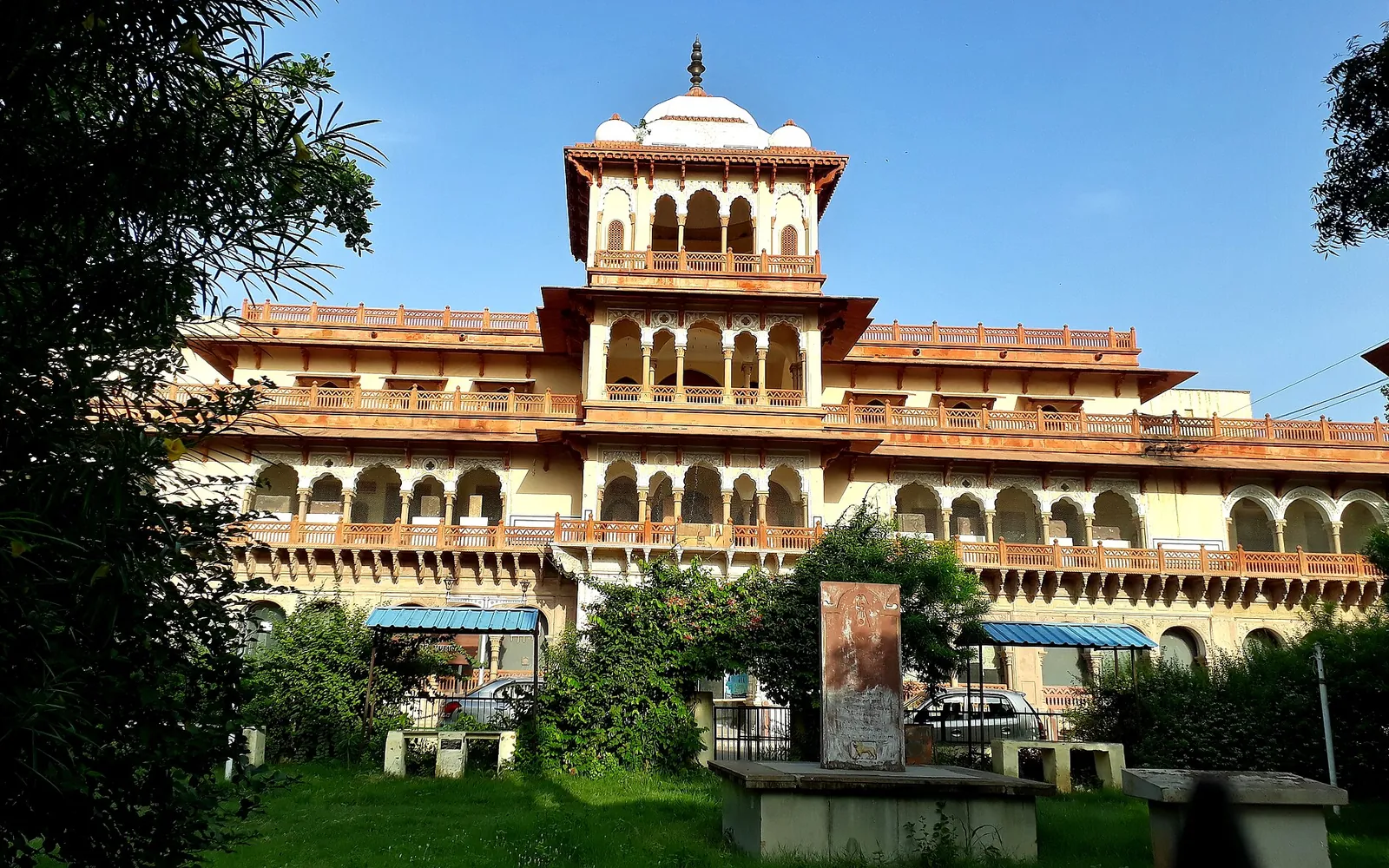
The Bhawani Natyashala in Jhalawar is one of the most unusual buildings in Rajasthan: a royal theatre opened in 1921 by a ruler who had fallen in love with the opera houses of Europe. Rajasthan Tourism calls it one of the most unusual theatres in India and notes the underground passage that allowed horses and chariots to appear on stage. Plays from Kalidasa’s Abhijnanashakuntalam to Shakespeare were staged here, and after decades of neglect the building was restored for its centenary.
An earlier version of this page called it a 19th-century theatre inside the Garh Palace of Kota. It was built in 1921, and it is in Jhalawar.
History of Bhawani Natyashala
The theatre was the project of Maharaj Rana Sir Bhawani Singh (1874-1929), who ruled Jhalawar from 1899. Educated at Mayo College in Ajmer, he travelled to Europe several times, starting in 1904, and was known for his interest in Western knowledge and culture. He was also a reforming ruler: he championed girls’ education and introduced a constitutional form of government after studying the methods of the British Parliament in 1912.
Having seen opera houses abroad, he built his own theatre in Jhalawar and named it after himself. It was designed and constructed under his guidance by Thakur Umrao Singh, Home and Military Member of the Jhalawar State Council, and formally opened on 16 July 1921.
The Natyashala staged Indian and European drama alike. Productions included Abhijnanashakuntalam, Rana Pratap, Bhul Bhulaiyya, Mahabharat and Raja Harishchandra, and Shakespeare was regularly performed: the Irish actor Charles Doran came to India in 1931 to direct Shakespeare’s plays here. After 1950, very few plays were staged.
Between September 2018 and 2021 the Rajasthan Department of Archaeology and Museums carried out repair and restoration work, finishing in the theatre’s hundredth year.
What to see at Bhawani Natyashala
- The auditorium, a mix of Indian and European design, built with careful attention to acoustics
- The large stage, built to hold many performers and even elephants and horses
- The underground passage that allowed horses and chariots to make their entrance on stage
- The restored building, a rare survivor of princely-era theatre in India
The wider story: Jhalawar’s reforming court
Jhalawar itself was a young state, created in 1838 for the descendants of the Kota regent Zalim Singh Jhala and reconstituted in 1899, when Bhawani Singh became its ruler. The theatre, the 1915 museum in the Garh Palace and Bhawani Singh’s schools all belong to the same moment of ambitious modernisation, comparable to the reign of Umed Singh II in neighbouring Kota.
Tips for visiting
- Check access locally before you go; opening hours and arrangements for visitors are not consistently published.
- Combine with the Garh Palace and museum in the centre of town.
- Ask about events. Restored theatres sometimes host performances; if one is on during your visit, it is the best way to experience the building.
Visiting Bhawani Natyashala: practical details
| Detail | Information |
|---|---|
| Where | Jhalawar town, Jhalawar district |
| Distance from Kota | About 88 km to Jhalawar (Rajasthan Tourism) |
| Best time to visit | October to March |
| Timings | Check locally |
| Entry | Check locally |
| Getting there | Car or bus from Kota, or the daily Kota-Jhalawar passenger train |
Distances are approximate road distances. Timings and entry charges change, so confirm them locally or with the district tourist office before you set out.
Combine Bhawani Natyashala with nearby places
- Jhalawar Garh Palace: The palace of the rulers of Jhalawar, built 1838-1854, with the Government Museum founded in 1915.
- Gagron Fort: A rare jal-durg (water fort) near Jhalawar, encircled on three sides by the Ahu and Kali Sindh rivers, inscribed as a UNESCO World Heritage Site.
- Jhalrapatan Sun Temple: The 10th-century Padmanabha temple in the temple town near Jhalawar.
- Jhalawar tourist places: A full day plan for Jhalawar from Kota.
Frequently asked questions
Who built Bhawani Natyashala?
Maharaj Rana Sir Bhawani Singh of Jhalawar (ruled 1899-1929). It was designed and built under his direction by Thakur Umrao Singh, a member of the Jhalawar State Council, and formally opened on 16 July 1921.
What is special about Bhawani Natyashala?
It is a purpose-built princely theatre mixing Indian and European design, with good acoustics, a stage large enough for horses and elephants, and an underground passage that let horses and chariots appear on stage.
What plays were performed there?
Productions included Abhijnanashakuntalam, Rana Pratap, Mahabharat and Raja Harishchandra, as well as Shakespeare. The Irish actor Charles Doran came to India in 1931 to direct Shakespeare there. Few plays were staged after 1950.
Can I visit Bhawani Natyashala?
It is one of Jhalawar's listed sights and was restored in 2018-2021. Opening arrangements can change, so check locally, ideally together with the Garh Palace and museum.
Sources
Editorial team
The KotaRajasthan.net team writes about the places, history and festivals of Kota and Hadoti, and corrects pages when readers point out changes.