Hadoti day trips
Takli Dam, Kota District: Reservoir Guide and Visiting Tips
Written by Kota Rajasthan Editorial Team · Updated
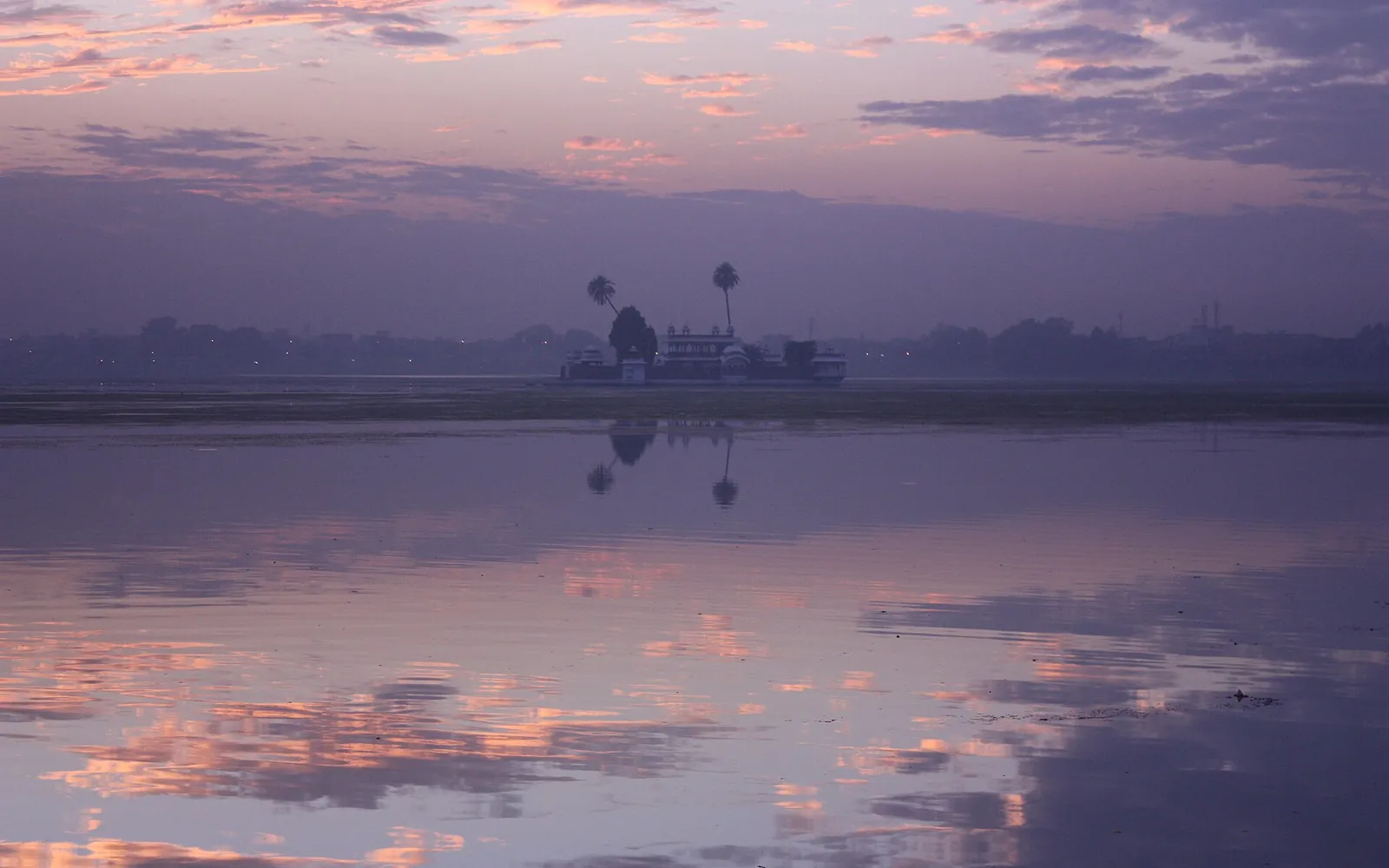
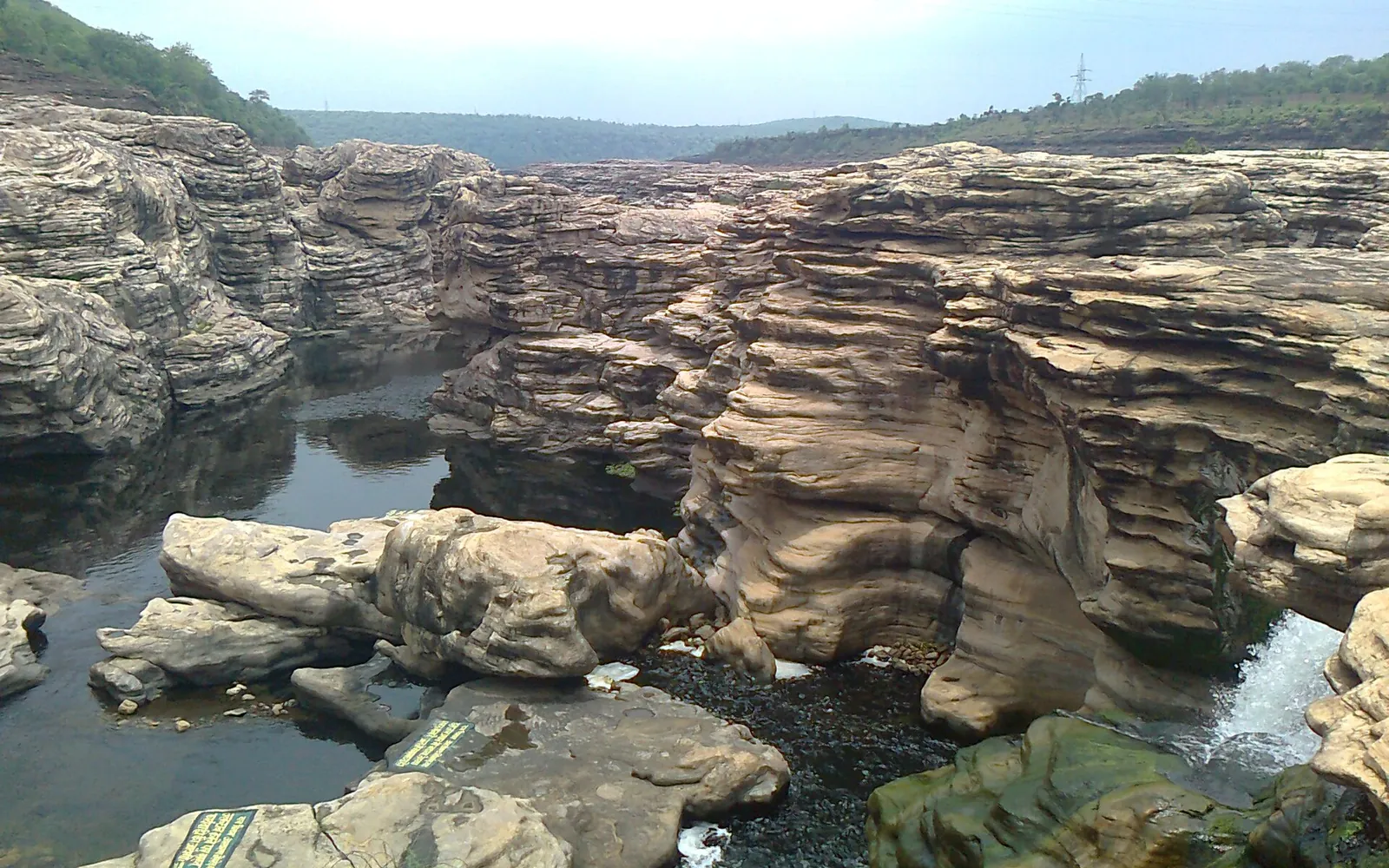
Takli Dam is one of the working reservoirs that dot the countryside of Kota district. Built on the Takli river as a medium irrigation project, it lies in the Ramganjmandi area south of Kota, the country of Kota stone quarries and farmland. It is not a developed tourist attraction, and this guide says so plainly; but if you are exploring the Ramganjmandi side of the district, it offers wide water views, open skies and, in winter, waterbirds.
History of Takli Dam
Takli Dam is listed among Rajasthan’s medium irrigation projects as the Takli Dam on the Takli river in Kota district. It is maintained by the Kota division of the state Water Resources Department, which also operates its gates during the monsoon. We have not found a reliable published date for its construction, so we do not give one here.
Its role is changing. A water supply scheme sanctioned in the state budget for 2024-25 plans to draw drinking water from the dam for Ramganjmandi town and the Kudayla industrial area; according to a 2026 report in the Rajasthan Patrika, the project’s tender process was under way in mid-2026. As that work progresses, expect construction activity and possibly restricted access in parts of the site.
Like Bardha Dam in Bundi district and the much larger Kota Barrage on the Chambal, Takli belongs to the network of reservoirs that turned the Hadoti region into one of Rajasthan’s best-watered farming areas.
What to see at Takli Dam
- An irrigation reservoir with wide water views
- The dam wall and gates (view from a safe distance)
- Waterbirds on the reservoir in winter
- Farmland and rural life on the drive out
- A quiet picnic spot used by local families
Visiting Takli Dam: practical details
| Detail | Information |
|---|---|
| Where | Takli river, Ramganjmandi area, Kota district |
| Distance from Kota | Check the route on a map; allow at least an hour each way by road |
| Best time to visit | November to February, mornings and late afternoons |
| Timings | Daylight hours only |
| Entry | No ticket |
| Getting there | Car or taxi from Kota; combine with Ramganjmandi |
| Facilities | None to speak of; carry water and food |
Distances and access can change, especially during the monsoon and while water supply works are under way, so confirm conditions locally before you set out.
Safety and etiquette
- Stay away from the gates and spillway, particularly from July to September, when the Water Resources Department may be releasing water.
- Do not swim. Reservoir water can be deep and cold, with hidden obstacles.
- Respect restricted areas. Dams are public infrastructure; follow signs and staff instructions and avoid photographing gate machinery where it is prohibited.
- Leave no litter. The reservoir is becoming a drinking-water source.
Make a day of it
Takli fits best into a day exploring the south of Kota district. Combine it with Ramganjmandi, the centre of the Kota stone industry, and, around Holi, the Nhaan festival at Sangod. For wildlife, the Mukundara Hills Tiger Reserve lies between Kota and Jhalawar.
Combine Takli Dam with nearby places
- Ramganjmandi: The busy Kota stone town, where the grey-green limestone is quarried and cut.
- Sangod: A Hadoti market town known for the Nhaan festival after Holi.
- Mukundara Hills Tiger Reserve: The tiger reserve formed from the former Darrah National Park.
- Hidden gems around Kota: More offbeat places within a day’s drive.
Frequently asked questions
Where is Takli Dam?
On the Takli river in Kota district, in the Ramganjmandi area south of Kota city. Check the route on a map; it is best reached by car or taxi.
What is Takli Dam used for?
It is a medium irrigation project. A water supply scheme sanctioned in the 2024-25 state budget plans to use it to provide drinking water to Ramganjmandi town and the Kudayla industrial area.
Is Takli Dam a tourist spot?
It is a quiet working reservoir that some local people visit for picnics and water views. There are no tourist facilities, so carry what you need.
When is the best time to visit?
November to February, in the morning or late afternoon. In the monsoon the gates are operated and access near the dam may be restricted.
Sources
Editorial team
The KotaRajasthan.net team writes about the places, history and festivals of Kota and Hadoti, and corrects pages when readers point out changes.