Hadoti day trips
Ramganjmandi: Kota Stone Quarries and Coriander Market
Written by Kota Rajasthan Editorial Team · Updated
Ramganjmandi (also written Ramganj Mandi) is a market town in the south of Kota district with two claims to fame: it is the heart of the Kota stone industry, and it has one of India’s biggest coriander markets. It is not a classic sightseeing town, but if you want to understand how Hadoti earns its living, a few hours here among quarries, stone yards and the grain mandi are an eye-opener. This guide explains what the town is known for, what you can realistically see, and how to fit it into a day from Kota.
Ramganjmandi at a glance
Wikipedia describes Ramganj Mandi as a city and municipality in Kota district. The 2001 census counted about 41,800 people in the town, with more than 270,000 in the wider sub-district of 169 villages. It lies on the Delhi-Mumbai railway line, which is how it grew: people first settled around the station, then known as Khairabad Road, on the outskirts of Khairabad village. The princely state of Kota later established the area as Ramganj Mandi, and workers who came for the stone trade settled here.
By road it is roughly 55 km south of Kota. State Highway 9B runs through it towards Jhalawar, and another state highway heads towards Rawatbhata via Chechat.
The Kota stone town
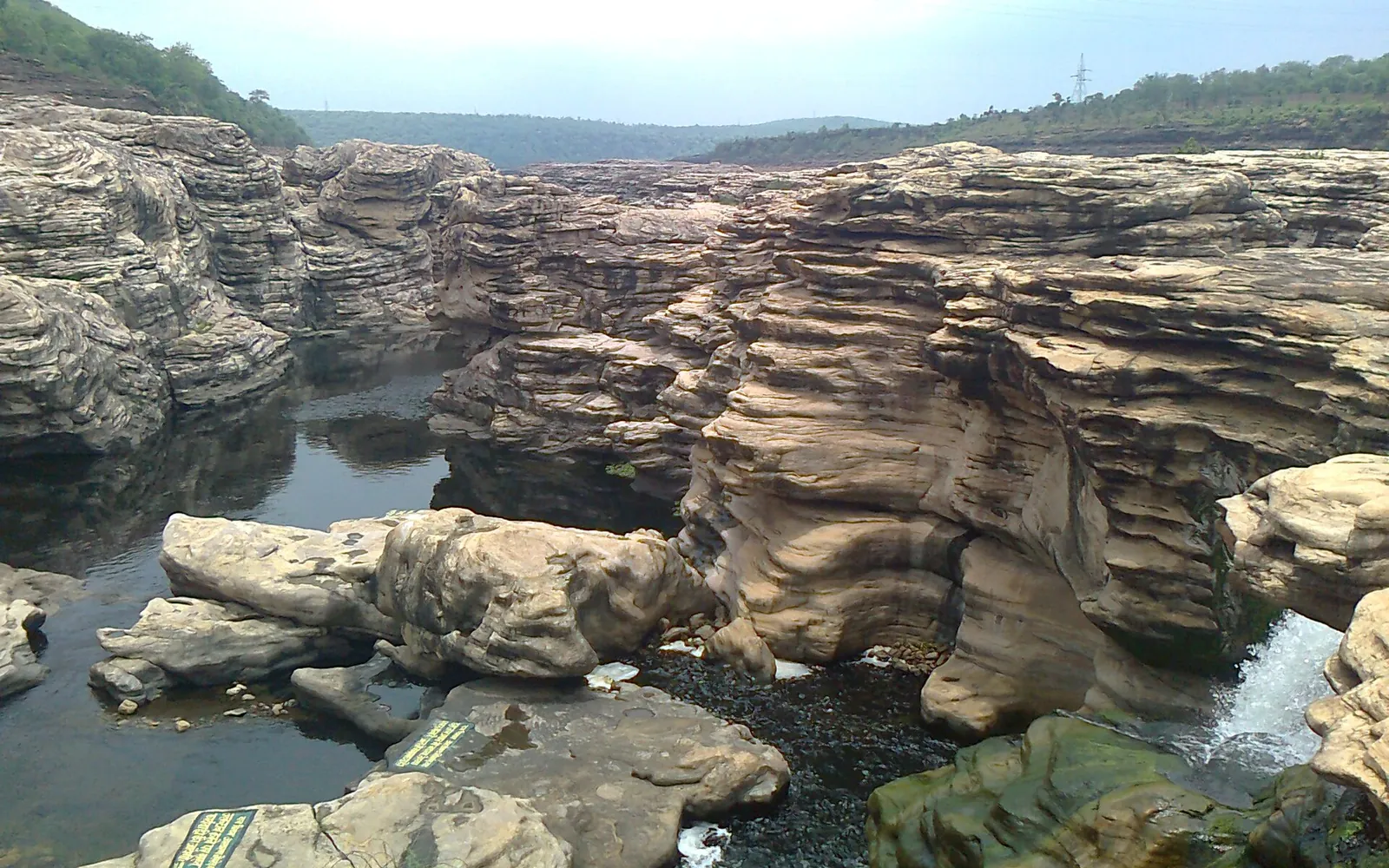
Ramganjmandi sits on beds of fine-grained limestone that is split into flat slabs and sold across India as Kota stone, a hard-wearing, usually blue-green or brown flooring stone. Wikipedia gives a sense of the scale: more than 80 mines in the area and around 1,000 stone-processing units in the industrial area, sending stone to Punjab, Haryana, Chandigarh, Gujarat, Maharashtra, Madhya Pradesh and beyond.
What you see as a visitor:
- Open quarries where layers of limestone are lifted out in slabs.
- Cutting and polishing units along the roads, where slabs are sawn to size and finished.
- Stacks of stone waiting for the lorries that carry them across the country.
Quarries and factories are working industrial sites with heavy machinery. Do not walk in without permission, keep clear of quarry edges and loading areas, and respect requests not to photograph.
The coriander market
Ramganjmandi’s other speciality is spice. Wikipedia notes that it has the largest grain market for coriander, with around 6,500 tonnes of coriander seed arriving on a single day in the season, and a spice park was planned on the Nimana road. The mandi (market yard) is busiest after the winter harvest, roughly from late winter into spring, when farmers bring in their crop by tractor and truck. Wikipedia notes that the Kota area also grows cotton, millet, wheat and oilseeds, which makes the town an important agricultural market for Rajasthan and neighbouring Madhya Pradesh.
If you visit the mandi, go in the morning when auctions are active, stay out of the way of loading, and ask before taking photos of traders.
Is Ramganjmandi worth a visit?
For most holiday travellers, Ramganjmandi works best as a stop on a longer route rather than a destination. It is worth it if you:
- want to see where Kota stone comes from;
- are interested in agriculture, markets and how small Indian towns work;
- are driving south towards Jhalawar, Bhawani Mandi or the Kolvi caves.
There are no major monuments in the town itself, and facilities for tourists are basic.
Getting there
| Detail | Information |
|---|---|
| Where | Kota district, south of Kota city |
| Distance from Kota | About 55 km by road |
| By train | Ramganj Mandi Junction is on the Delhi-Mumbai line; many passenger and some express trains stop |
| By road | Buses from Kota; a hired car is easiest for quarries and onward travel |
| Best time | October to March; the coriander mandi is busiest after the winter harvest |
Distances are approximate. Check train times on the Indian Railways apps before you travel.
Combine Ramganjmandi with nearby places
- Jhalawar tourist places: Gagron fort, the Garh palace and Jhalrapatan are a natural onward day.
- Mukundara Hills Tiger Reserve: the forested hills between Kota and Jhalawar.
- Sangod: a historic Kota-district town known for its Nhaan festival.
- Chambal River: the river that shaped Kota’s industry and farms.
Frequently asked questions
What is Ramganjmandi famous for?
For Kota stone, the limestone flooring quarried and processed around the town, and for its huge coriander (dhaniya) market.
How far is Ramganjmandi from Kota?
About 55 km by road. It is also on the Delhi-Mumbai railway line, at Ramganj Mandi Junction.
Can tourists visit Kota stone quarries?
Only with permission. Quarries and polishing units are working industrial sites with heavy machinery, so ask a unit owner before entering and follow their safety instructions.
When is the coriander market busiest?
After the winter harvest, roughly from late winter into spring, when farmers bring in their crop. Mornings are the most active time.
Is Ramganjmandi worth a day trip?
It is best as a stop on the way to Jhalawar or further south, or for travellers interested in industry and markets. There are no major monuments in the town.
Sources
Editorial team
The KotaRajasthan.net team writes about the places, history and festivals of Kota and Hadoti, and corrects pages when readers point out changes.