Hadoti day trips
Jhalrapatan Sun Temple: Padmanabha Temple Visitor Guide
Written by Kota Rajasthan Editorial Team · Updated
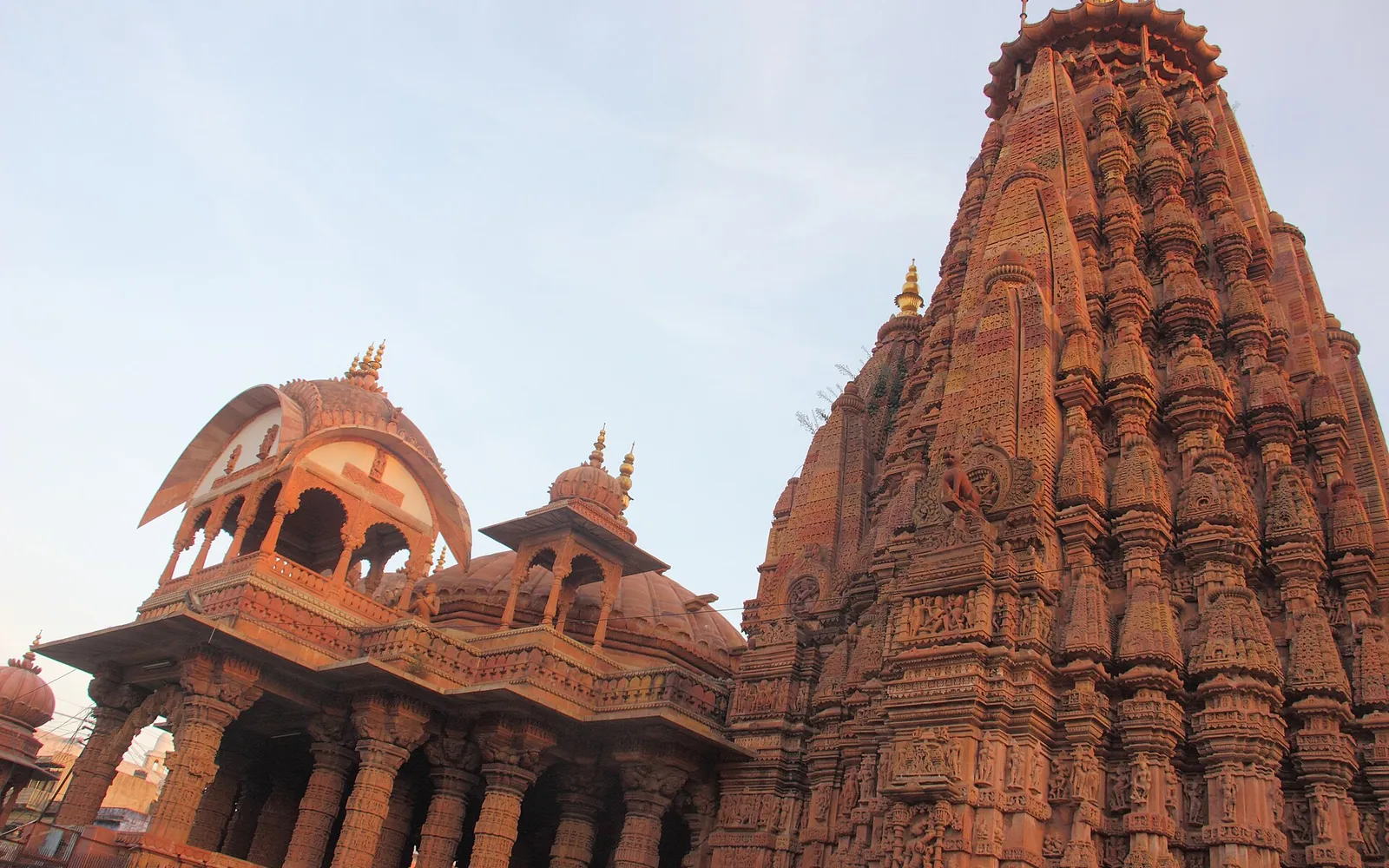
Jhalrapatan, often translated as the City of Temple Bells, is one of the great temple towns of the Hadoti region. Its crowning glory is the Padmanabh Temple, popularly called the Sun Temple, a magnificent shrine whose tall, elaborately carved shikhara rises high above the old town and whose sanctum houses a beautiful image of Surya, the sun god.
The temple’s walls, pillars and spire are covered in fine sculpture, and though dedicated in worship to Vishnu and the sun, its craftsmanship places it among the finest medieval temples in the region. The surrounding town, once ringed by a wall, is dotted with dozens of other shrines that gave it its musical nickname.
History of Jhalrapatan
Jhalrapatan is an ancient settlement. Rajasthan Tourism describes the Padmanabha or Sun Temple as the finest temple of Jhalrapatan: a 97-ft high, 10th-century temple dedicated to Lord Vishnu, crowned with a finely carved shikhara. The spire is built in layers, with miniature towers clustered around the main tower, and the temple was restored in the 16th century and again in the 19th century. The columns and arches at the entrance are carved with gods, goddesses and other motifs, and old tiles on the outer walls carry figures of Vishnu and Krishna. The town flourished as a religious and trading centre for centuries; even older are the Chandrabhaga temples by the river, where the Sitaleshwar temple dates to around the 7th century.
Later, under the Jhala rulers of Jhalawar, the town was revived and became closely tied to the fortunes of the princely state; Wikipedia notes that Patan, or Jhalrapatan, was the trading centre of the state, exporting opium, oilseeds and cotton. Its many temples are said to have given it the poetic name Jhalrapatan, the city of bells. Our history of Jhalawar tells the state’s story, and the Chandrabhaga fair each November is the town’s biggest gathering.
What to see at Jhalrapatan
- Padmanabh Sun Temple with tall shikhara
- Image of Surya, the sun god
- Intricate medieval carving
- Historic walled temple town
- Cluster of nearby shrines
Visiting Jhalrapatan: practical details
| Detail | Information |
|---|---|
| Where | Hadoti Region, Jhalawar district |
| Distance from Kota | About 90 km (about 6 km beyond Jhalawar) |
| Best time to visit | October to March |
| Timings | Approximately 6:00 AM to 8:00 PM (temple) |
| Entry | Free (temple) |
| Getting there | From Kota, drive about 85 km to Jhalawar and continue about 6 km to Jhalrapatan. |
Distances are approximate road distances. Timings and entry charges change from season to season, so confirm them locally or with the district tourist office before you set out.
Combine Jhalrapatan with nearby places
- Chandrabhaga Temples: A cluster of old stone temples on the banks of the Chandrabhaga River near Jhalrapatan, dating from the medieval Pratihara era.
- Gagron Fort: A rare jal-durg (water fort) near Jhalawar, encircled on three sides by the Ahu and Kali Sindh rivers, inscribed as a UNESCO World Heritage Site.
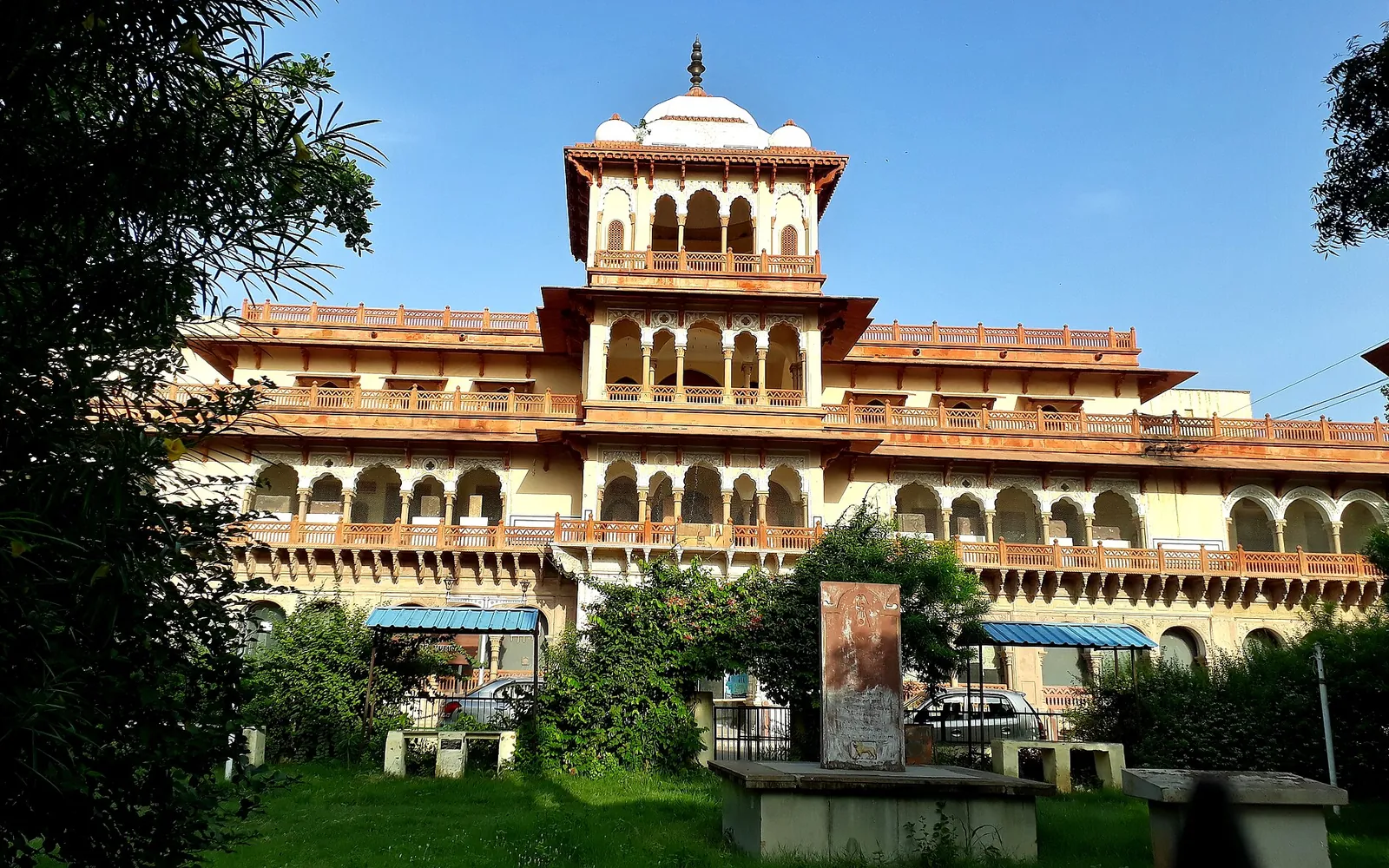
- Jhalawar Fort: The Garh Palace of Jhalawar, a 19th-century royal residence now housing a fine government museum with sculptures and paintings.
Frequently asked questions
How do I get to Jhalrapatan from Kota?
Drive about 85 km to Jhalawar, then about 6 km on to Jhalrapatan. Buses also run to Jhalawar, from where autos and taxis go to Jhalrapatan.
When was the Jhalrapatan Sun Temple built?
Rajasthan Tourism dates it to the 10th century. It was restored in the 16th century and again in the 19th century.
Which god is the Sun Temple dedicated to?
It is popularly called the Sun Temple, but Rajasthan Tourism describes it as a temple dedicated to Lord Vishnu, also known as the Padmanabha temple.
What else is there to see in Jhalrapatan?
The Chandrabhaga temples on the river, including the Sitaleshwar temple of around the 7th century, and the old walled town. The Chandrabhaga fair is held here in the month of Kartik.
Sources
Editorial team
The KotaRajasthan.net team writes about the places, history and festivals of Kota and Hadoti, and corrects pages when readers point out changes.