Hadoti day trips
Chandrabhaga Temples, Jhalrapatan: History and Visitor Guide
Written by Kota Rajasthan Editorial Team · Updated
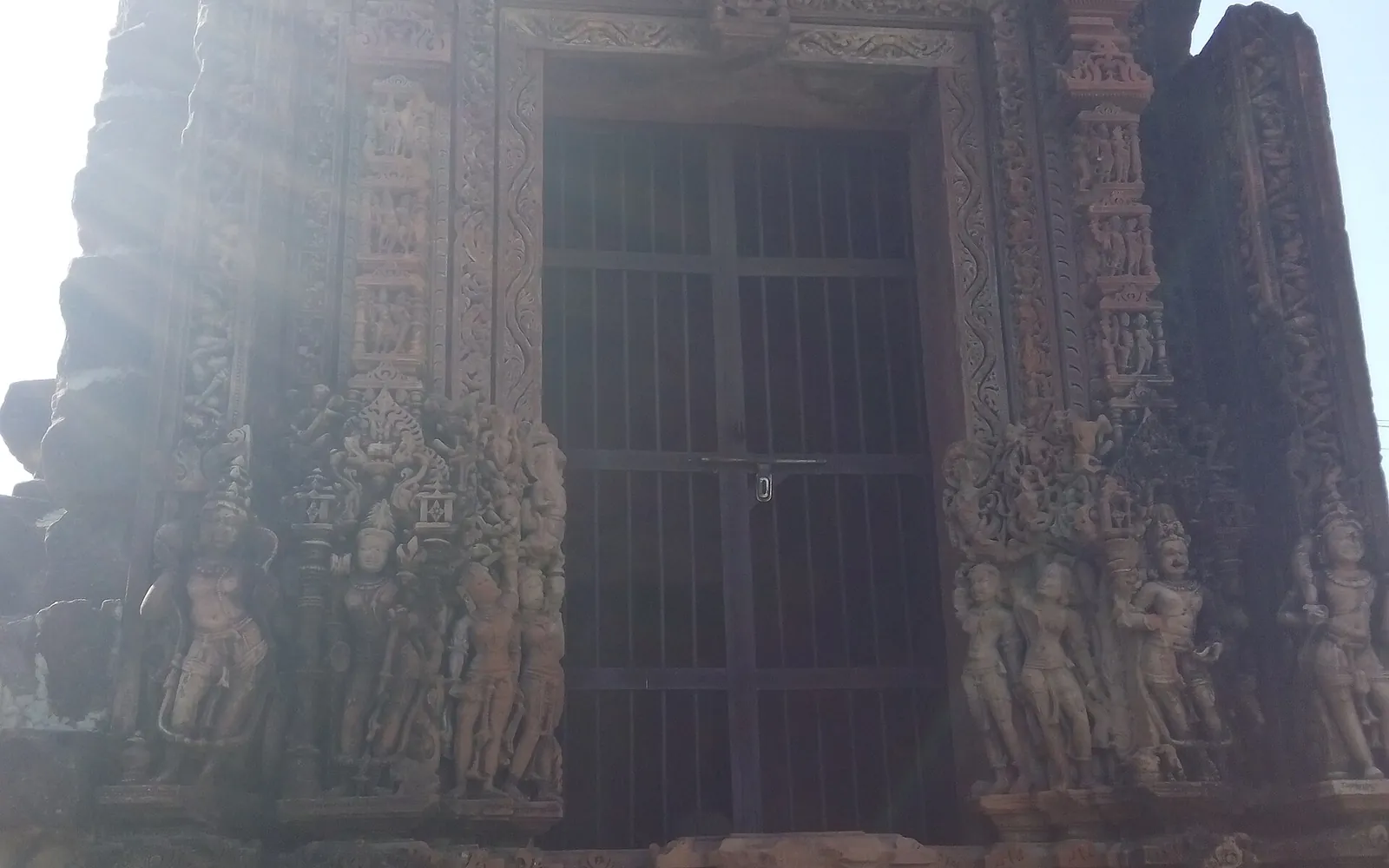
On the banks of the Chandrabhaga river at Jhalrapatan stands one of the oldest groups of temples in the Hadoti region. Rajasthan Tourism describes them as temples with intricately carved pillars and arched gateways, and lists the Chandramouleshwar, Lakulish, Harihar and Devi temples among them. The oldest shrine, the Sitaleshwar Mahadeva temple, goes back to the 7th century. Together they are protected as a monument of national importance under the name “Old Temples near the Chandrabhaga”.
The site is quiet for most of the year, a place to sit by the river and look closely at carving that has survived more than a thousand years. It comes alive during the Chandrabhaga fair in the month of Kartik, when pilgrims bathe in the river and a large livestock fair spreads across the plain.
History of the Chandrabhaga temples
The temples belong to the old city of Chandravati, which stood on the Chandrabhaga before the present town of Jhalrapatan was founded nearby by Zalim Singh Jhala in 1796. Chandravati was later ruined; Jhalrapatan grew up about half a mile to its north.
Inscriptions found on the site point to a local ruler in the 7th century CE, and the oldest temple, Sitaleshwar Mahadeva, was built in that century. Its pillared hall (mandapa) was added in the 10th century. In the 19th century the architectural historian James Fergusson found the temple largely in ruins, with only the columns of the hall standing, and called them one of the most elegant examples of columnar architecture in India. Alexander Cunningham also surveyed the site. The temple was later reconstructed using the original stones.
Other temples in the group, including those dedicated to Lakulish (a form associated with the Pashupata Shaiva tradition), Harihar (the combined form of Shiva and Vishnu) and the goddess, show how the site served several strands of worship over the centuries.
What to see at the Chandrabhaga temples
- Sitaleshwar Mahadeva temple. An east-facing Shiva temple with a pillared hall, antechamber and square sanctum. The original tower has collapsed and the roof is now flat with a small dome.
- The pillars. The 14 outer pillars have octagonal bases and the 12 inner pillars square bases topped with purna-kalasha (overflowing pot) motifs. Look for carved female figures, guardians of the directions and ascetics.
- The sanctum doorway. Five carved bands of floral ornament, with the river goddesses Ganga and Yamuna at the base of the doorjambs and Lakulish in the centre of the lintel.
- Inscriptions on the pillars of the hall, dating from roughly the 7th to the 10th century.
- The river ghats, the setting for the Kartik Purnima bath.
Tips for visiting
- Go in the morning or late afternoon, when the light brings out the relief carving.
- Respect worship. Several shrines are still in use. Remove footwear where required and ask before photographing inside.
- Do not touch or climb on the carved pillars and fallen fragments.
- Combine with Jhalrapatan town, where the 10th-century Sun Temple and the 11th-century Shantinath Jain temple stand only a short drive away.
- Fair days are crowded. For quiet study of the carving, avoid the Kartik Purnima period; for atmosphere, go then.
Visiting the Chandrabhaga temples: practical details
| Detail | Information |
|---|---|
| Where | Bank of the Chandrabhaga river, Jhalrapatan, Jhalawar district |
| Distance from Kota | About 94 km (Kota to Jhalawar about 88 km, then about 6 km) |
| Best time to visit | October to March; Kartik Purnima for the fair |
| Timings | Daylight hours |
| Entry | No ticket listed by Rajasthan Tourism |
| Getting there | By car, or by the daily Kota-Jhalawar train and then a local auto-rickshaw |
Distances are approximate road distances. Timings and entry arrangements change, so confirm them locally or with the district tourist office before you set out.
Make a day of it
The temples fit into a full day in southern Hadoti: Gagron Fort in the morning, the Garh Palace and museum in Jhalawar town, then Jhalrapatan in the afternoon. Our guide to Jhalawar tourist places has the full plan, and many sculptures from this area can be seen in the museums of Kota and Hadoti.
Combine the Chandrabhaga temples with nearby places
- Jhalrapatan Sun Temple: The 10th-century Padmanabha temple in the centre of Jhalrapatan, about 97 feet high.
- Gagron Fort: A rare jal-durg (water fort) near Jhalawar, encircled on three sides by the Ahu and Kali Sindh rivers, inscribed as a UNESCO World Heritage Site.
- Jhalawar Garh Palace: The 19th-century palace of the rulers of Jhalawar, with the Government Museum founded in 1915.
- Bhawani Natyashala: Jhalawar’s 1921 theatre, built by Maharaj Rana Bhawani Singh.
Frequently asked questions
How old are the Chandrabhaga temples?
The oldest, the Sitaleshwar Mahadeva temple, was built in the 7th century CE, and its pillared hall was added in the 10th century. Inscriptions on the site's pillars range from about the 7th to the 10th century.
How do I get to the Chandrabhaga temples from Kota?
Drive or take the train to Jhalawar, about 88 km from Kota, then continue about 6 km to Jhalrapatan. The temples stand on the riverbank at the edge of the town.
What are the timings and entry charges?
The temples are visited in daylight hours and Rajasthan Tourism lists no ticket. As an active place of worship and a protected monument, arrangements can change, so check locally.
When is the Chandrabhaga fair?
In the Hindu month of Kartik, around Kartik Purnima. Rajasthan Tourism's 2026 calendar lists it for 23 to 25 November 2026.
Sources
Editorial team
The KotaRajasthan.net team writes about the places, history and festivals of Kota and Hadoti, and corrects pages when readers point out changes.