Hadoti day trips
Baroli Temples: Ancient Stone Poetry Near Rawatbhata
Written by Kota Rajasthan Editorial Team · Updated
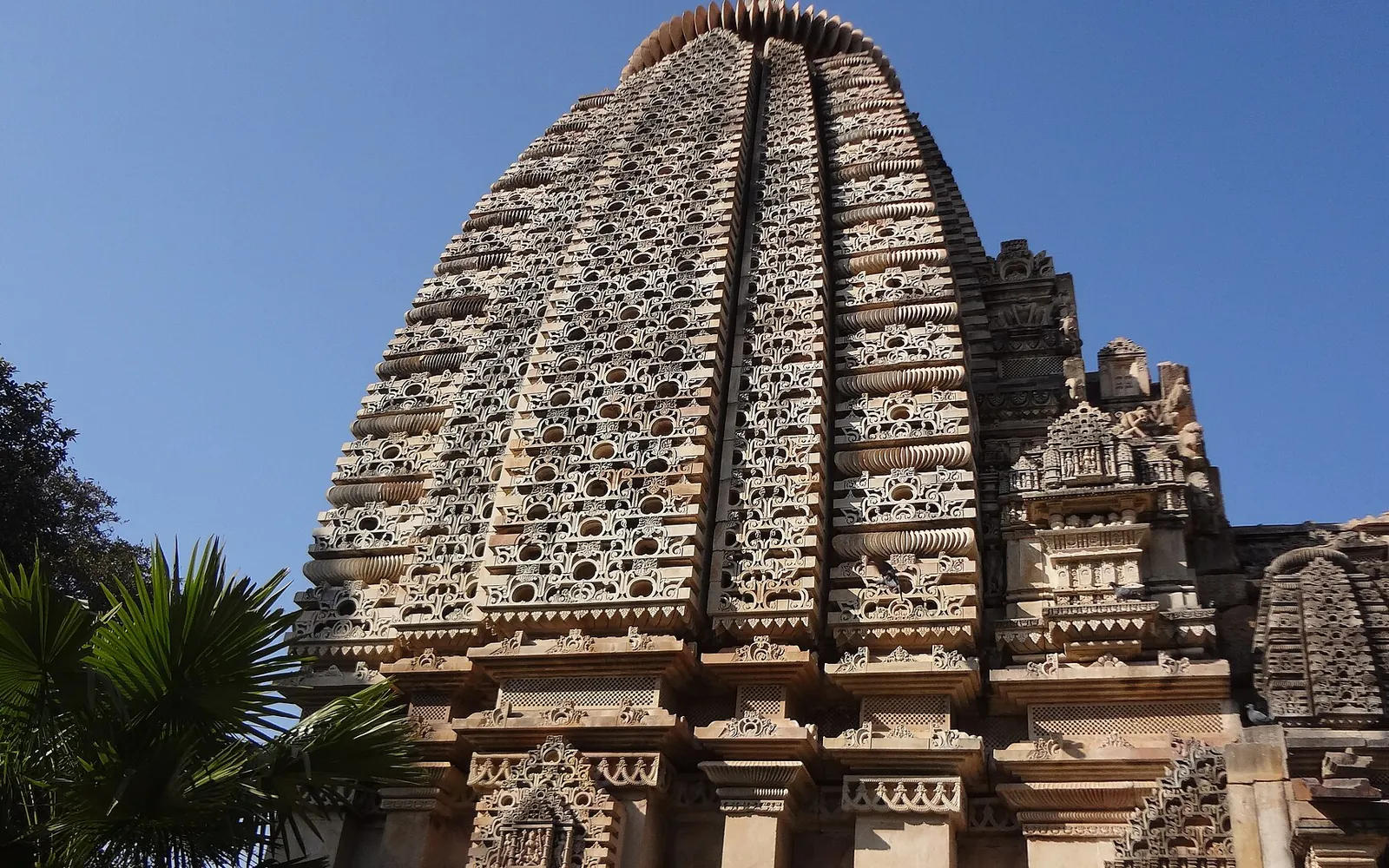
Tucked away near Rawatbhata, some distance from Kota, stands one of the most beautiful and underappreciated ancient sites in Rajasthan: the Baroli (also spelled Badoli) temples. This cluster of early medieval shrines, carved with astonishing delicacy, is a masterpiece of temple architecture, and yet it remains blissfully free of crowds, a place where you can stand alone before centuries-old stone poetry.
An ancient temple complex
The Baroli temples are among the oldest temple complexes in Rajasthan. They are built in the Gurjara-Pratihara style and generally dated to the 10th century (some accounts say the 10th-11th). Eight temples stand inside a walled enclosure near the rocky bank of the Chambal, with a ninth about a kilometre away. Four are dedicated to Shiva, including the Ghateshwar Mahadev temple, two to Durga, and one each to Vishnu, Ganesha and the Trimurti. All nine are protected by the Archaeological Survey of India. The complex is set around a natural spring among peepal, kadamba, mango and jamun trees, which gives it a serene, shaded atmosphere.
Inside the Ghateshwar Mahadev temple
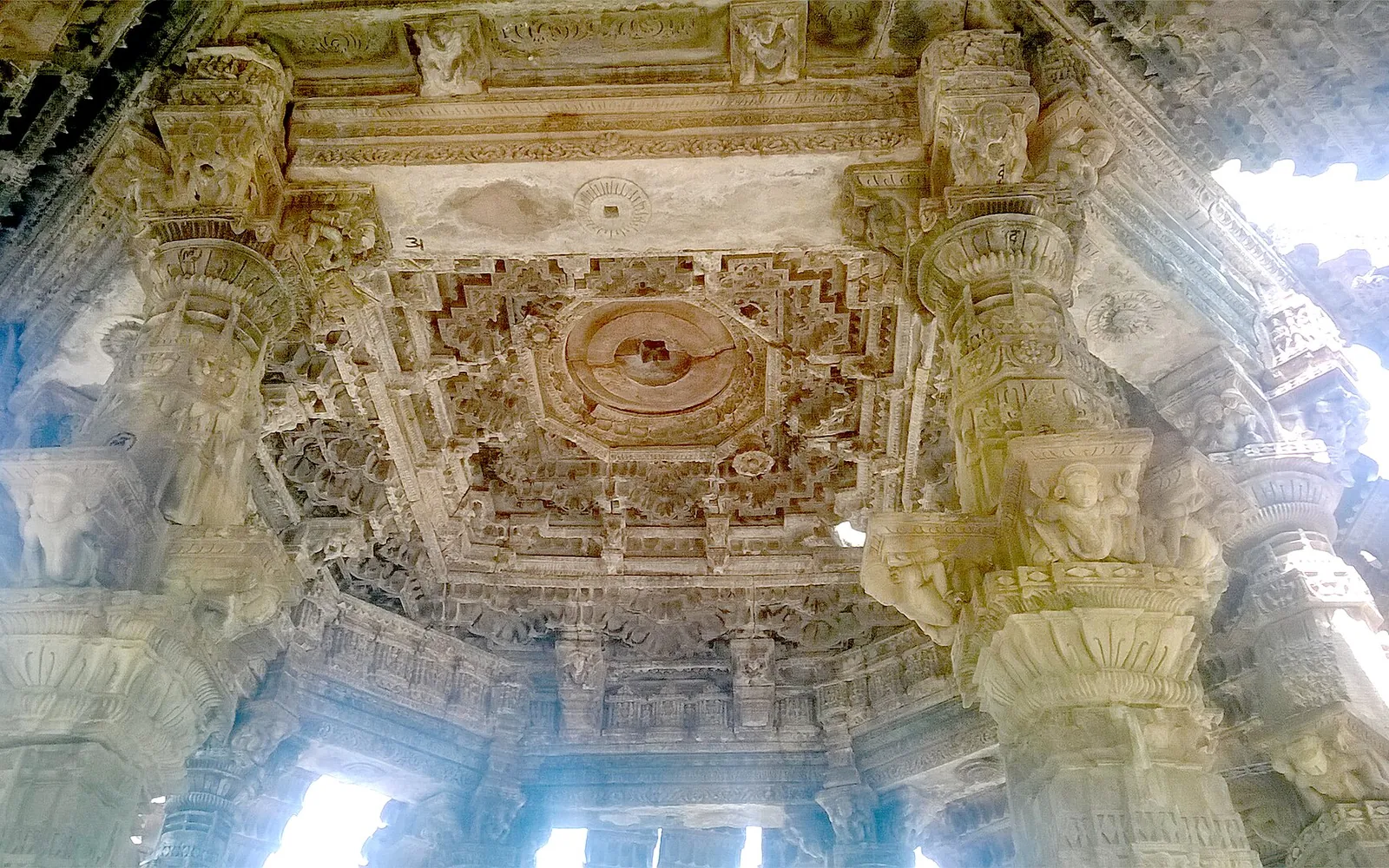
The Ghateshwar temple is the largest and best preserved. Its name comes from one of the five lingas in the sanctum, which is shaped like an inverted pot (ghata). The sanctum has a ceiling carved as a blossoming lotus and is crowned by a finely carved spire. A pillared porch leads in, its niches and lintel carved with Shiva as Nataraja and as the slayer of the demon Andhaka, and with the goddess Chamunda; apsaras dance across the porch. In front stands a later pillared dance hall, the rangamandapa or Sringar Chauri, raised on a decorated plinth, with the river goddesses Ganga and Yamuna as door guardians. Beside the temple is a stepped tank, and another small Shiva shrine stands in the middle of a tank nearby.
The carving: why Baroli matters
What sets Baroli apart is the sheer quality of its carving. The pillars, doorways, ceilings and outer walls are covered in exquisitely detailed sculpture, celestial figures, dancers, deities, floral and geometric motifs, rendered with a finesse that ranks among the finest ancient stone work in the region. Art historians prize Baroli precisely because so much of this delicate detail has survived. The Ghateshwar temple’s carved interiors and its beautifully proportioned shikhara are particular highlights.
The Nataraja and lost treasures
Baroli’s Nataraja images are among its glories; one is described with sixteen arms, matted hair and a finely carved face. In 1998 a carved stone Nataraja was stolen from the complex. It was traced to a private collector in London and has since been recovered. It is a sobering reminder of how vulnerable such heritage can be, and why protecting and visiting these sites respectfully matters. Other sculpture from the region is now displayed in the Government Museum, Kota.
What to see
- Ghateshwar Mahadev temple, the principal and most beautifully carved shrine.
- The subsidiary shrines scattered around the complex.
- The intricate pillars, ceilings and doorframes with their fine sculpture.
- The peaceful natural setting, often with water nearby, that frames the temples.
How to visit
- Location: Baroli village near Rawatbhata, about 45-50 km from Kota; a hired car or taxi is the practical way to get there.
- Combine with: the Rawatbhata area and nearby Bhainsrorgarh Fort for a rewarding day out.
- Best time: the cooler months from October to March, and the softer light of morning or late afternoon.
- Bring: water and sun protection, as facilities are limited.
Reading the architecture
Part of the joy of Baroli is learning to read what you are looking at; our guide to Hadoti temple architecture explains the terms in more detail. The temples follow the Nagara style of north Indian temple architecture, with their curving shikhara (spire) rising above the sanctum, a pillared mandapa (hall) in front, and richly carved doorframes marking the threshold between the everyday world and the sacred. Look for the recurring elements: celestial maidens and musicians, guardian figures at the doorways, bands of floral and geometric ornament, and scenes from mythology worked into the stone. The Ghateshwar temple in particular shows how the builders balanced structure and decoration, every load-bearing element also a canvas for the sculptor. Even without specialist knowledge, spending time simply tracing these details with your eyes reveals the extraordinary ambition of craftsmen working a thousand years ago.
Why Baroli remains a secret
Given its quality, it is fair to ask why Baroli is not swarming with visitors like the great temple sites of central India. The answer is largely geography and awareness. Baroli lies off the main tourist trail, near Rawatbhata rather than on the standard Rajasthan circuit of forts and palaces, and it has never had the marketing that famous sites enjoy. For the traveller, this is a gift. You can often have these masterpieces almost to yourself, experiencing them in the kind of quiet contemplation that crowded monuments make impossible. It is one of the last places in Rajasthan where world-class ancient art comes with genuine solitude.
Respecting the site
Baroli is a living link to a thousand-year-old artistic tradition and, given its history of theft, a fragile one. Visit quietly, do not touch or climb on the carvings, take only photographs, and leave nothing behind. Responsible visitors help make the case for protecting such treasures.
Making a day of the Rawatbhata circuit
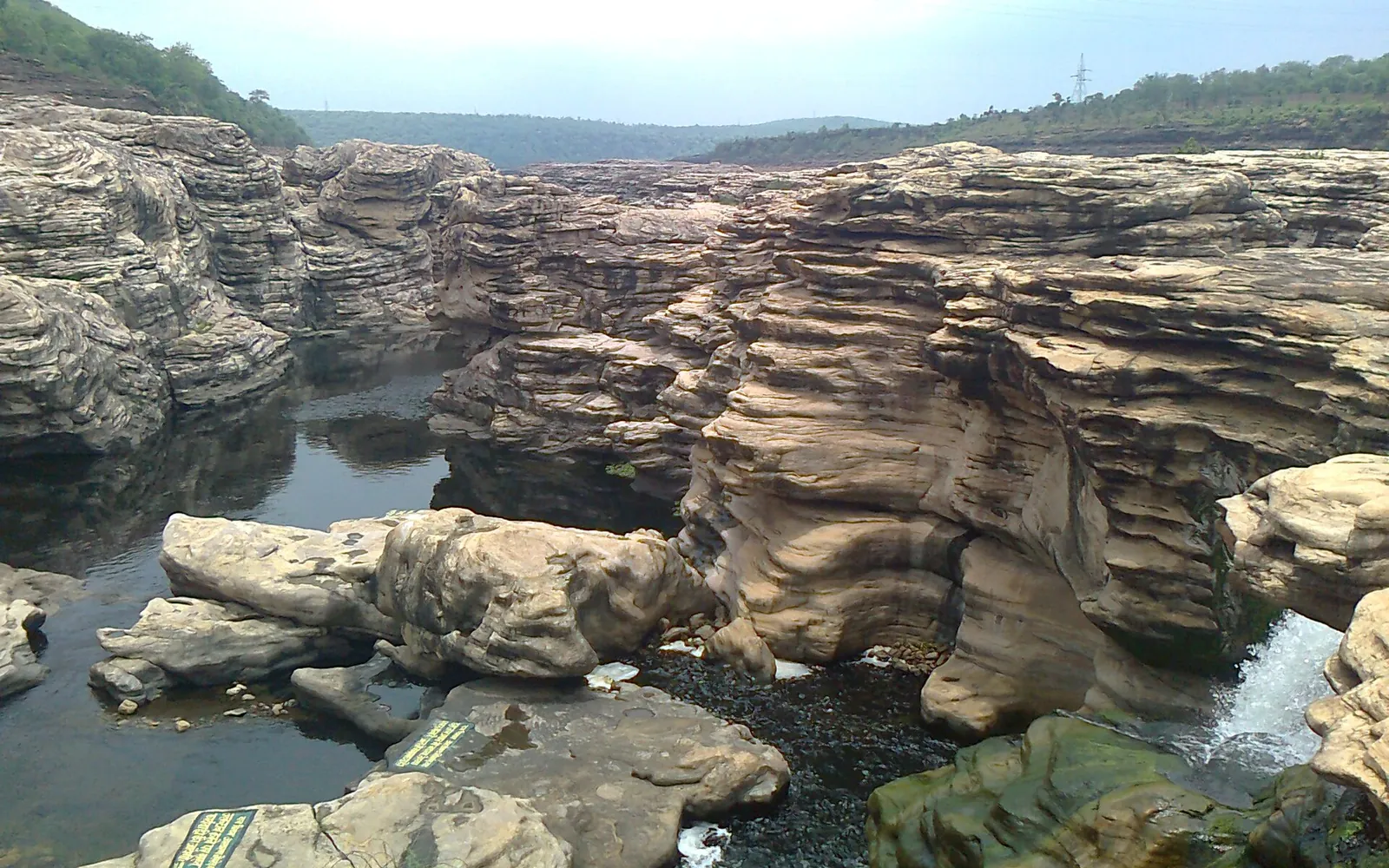
Because Baroli lies out near Rawatbhata, treat it as the anchor of a rewarding day trip rather than a quick stop. Combine the temples with a visit to Bhainsrorgarh Fort, dramatically perched above the Chambal, and take in the river and gorge scenery along the way. Some travellers linger at the reservoirs and quiet stretches of countryside that make this area so peaceful. Pack water and snacks, as facilities are limited, and set off early to enjoy the softer morning light on the carvings and beat the heat. Structured this way, a trip to Baroli becomes a full immersion in the ancient, off-the-beaten-track side of the Kota region, the kind of day that lingers in the memory long after the famous city sights have blurred.
A hidden masterpiece
For lovers of art, history and quiet places, Baroli is one of the great rewards of travelling in the Kota region. It asks a bit of effort to reach, but in return you get something increasingly precious: a world-class ancient monument, almost to yourself, where the stone still sings after a thousand years.
Related reading
Plan the day with our guides to Bhainsrorgarh Fort, the Rana Pratap Sagar Dam and other offbeat places around Kota, or browse every day trip across Hadoti.
To build a full day around Baroli, with the dam, Chuliya Falls and Bhainsrorgarh, see our guide to Rawatbhata tourist places.
Frequently asked questions
Where are the Baroli temples?
In Baroli village near Rawatbhata, Chittorgarh district, close to the Chambal and about 45-50 km from Kota. A hired car or taxi is the practical way to get there.
How old are the Baroli temples?
They date back roughly a thousand years to the early medieval period, generally associated with the Gurjara-Pratihara era, making them among the oldest temple groups in Rajasthan.
What is the main temple at Baroli?
The principal and most beautifully carved shrine is the Ghateshwar Mahadev temple, dedicated to Shiva.
Why are the Baroli temples famous?
For the quality of their carving and their early date. A Nataraja sculpture stolen from the complex in 1998 was traced to a private collector in London and has since been recovered.
Sources
Editorial team
The KotaRajasthan.net team writes about the places, history and festivals of Kota and Hadoti, and corrects pages when readers point out changes.