Temples and worship
Nasiyan Jain Temple Kota: What to Know Before You Visit
Written by Kota Rajasthan Editorial Team · Updated
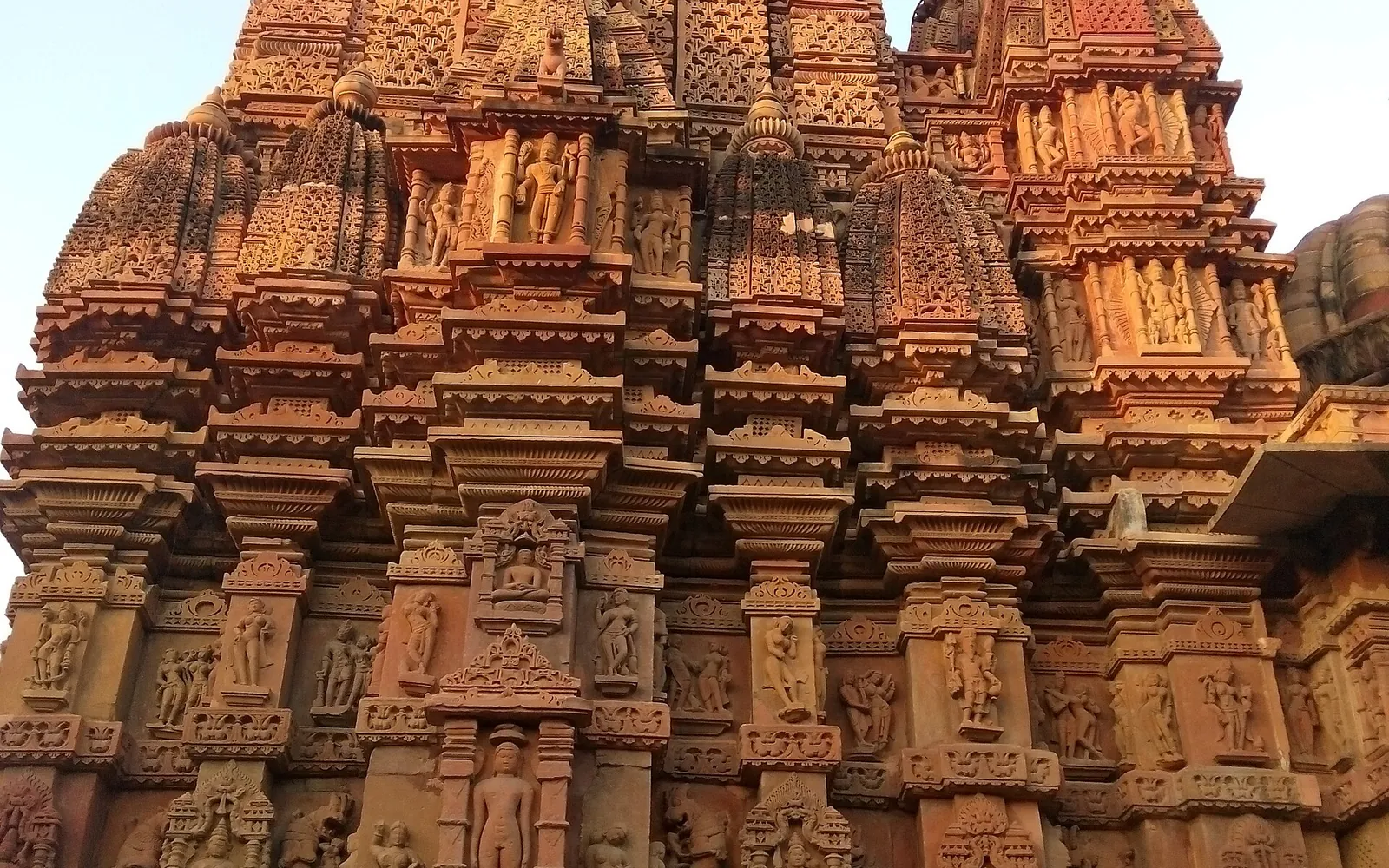
The Nasiyan Jain temple in Kota, also called the Shri Mahaveer Jain temple, Nasiya, is one of the city’s places of worship for its Digambar Jain community. It is an active temple rather than a monument, visited for daily worship, festivals and the stays of travelling Jain monks, and it is a calm stop for respectful visitors exploring the city’s religious life.
What “nasiyan” means
In Rajasthan, a nasiyan (also written nasiya or nasiyaan) is a name used for Digambar Jain temple complexes, often with open grounds and halls used for festivals and for monks and nuns to stay. The most famous is Soniji ki Nasiyan in Ajmer, whose golden hall of models depicting Jain cosmology draws visitors from across India. Not every nasiyan is decorated on that scale, so do not expect Ajmer’s golden hall in Kota; enjoy the Kota temple for what it is, a working community temple.
History
Detailed published history of the Kota Nasiyan, such as its founding date and builders, is hard to find, and we have not been able to confirm it from an official or scholarly source. What is clear is the wider context: Jain merchant and banking families have been part of Kota’s commercial life since the princely state was founded, and the city has several Jain temples, including the Digambar Jain temple. If you can, ask the temple office or trustees; community temples often keep their own records.
What to see and do
- The main image of the Tirthankara in the sanctum (the temple’s name points to Mahavira, the 24th Tirthankara)
- Painted or carved details in the halls and on doorways
- Daily worship rituals in the morning
- Festival days such as Mahavir Jayanti and Das Lakshan Parva, when the complex is at its busiest
Etiquette
Leave shoes and leather items outside, dress modestly, avoid eating or drinking on the premises and ask before taking photographs. If monks or nuns are in residence, keep a respectful distance unless invited to approach.
For the older and grander Jain sites within a day’s drive, such as Chandkheri, Jhalrapatan’s Shantinath temple and Bijolia, see our guide to Jain temples in Hadoti.
Visiting Nasiyan Jain Temple: practical details
| Detail | Information |
|---|---|
| Where | Kota city |
| Distance from Kota | About 3 km |
| Best time to visit | October to March; Mahavir Jayanti for the festival |
| Timings | Roughly 6:00 AM to 8:00 PM |
| Entry | Free |
| Getting there | Within the city about 3 km from the centre; reachable by auto or taxi. |
Distances are approximate road distances. Timings and entry charges change from season to season, so confirm them locally or with the district tourist office before you set out.
Combine Nasiyan Jain Temple with nearby places
- Digambar Jain Temple, Kota: A beautiful Digambar Jain temple in Kota, admired for its marble carving, calm sanctum and the devotion of the city’s Jain community.
- Mathuradheesh Temple: A major Krishna temple in the old city, an important Pushtimarg (Vallabhacharya) shrine and one of Kota’s most visited places of worship.
- Ghantaghar, Kota: Kota’s historic clock tower, the Ghantaghar, a much-loved old-city landmark surrounded by bustling markets.
- Government Museum: Kota’s government museum, set in the Brijvilas Palace by Kishore Sagar, displaying sculptures, coins, manuscripts and artefacts of the Hadoti region.
Frequently asked questions
How do I get to Nasiyan Jain Temple from Kota?
Within the city about 3 km from the centre; reachable by auto or taxi.
When is the best time to visit Nasiyan Jain Temple?
October to March; Mahavir Jayanti for the festival.
What are the timings and entry charges for Nasiyan Jain Temple?
Timings: Roughly 6:00 AM to 8:00 PM. Entry: Free. Both change, so check locally before you go.
What does nasiyan mean?
In Rajasthan it is a name for Digambar Jain temple complexes, often with grounds and halls used for festivals and for visiting monks and nuns. Ajmer's Soniji ki Nasiyan is the most famous example.
Sources
Editorial team
The KotaRajasthan.net team writes about the places, history and festivals of Kota and Hadoti, and corrects pages when readers point out changes.