Temples and worship
Digambar Jain Temple Kota: Visiting Guide and Etiquette
Written by Kota Rajasthan Editorial Team · Updated
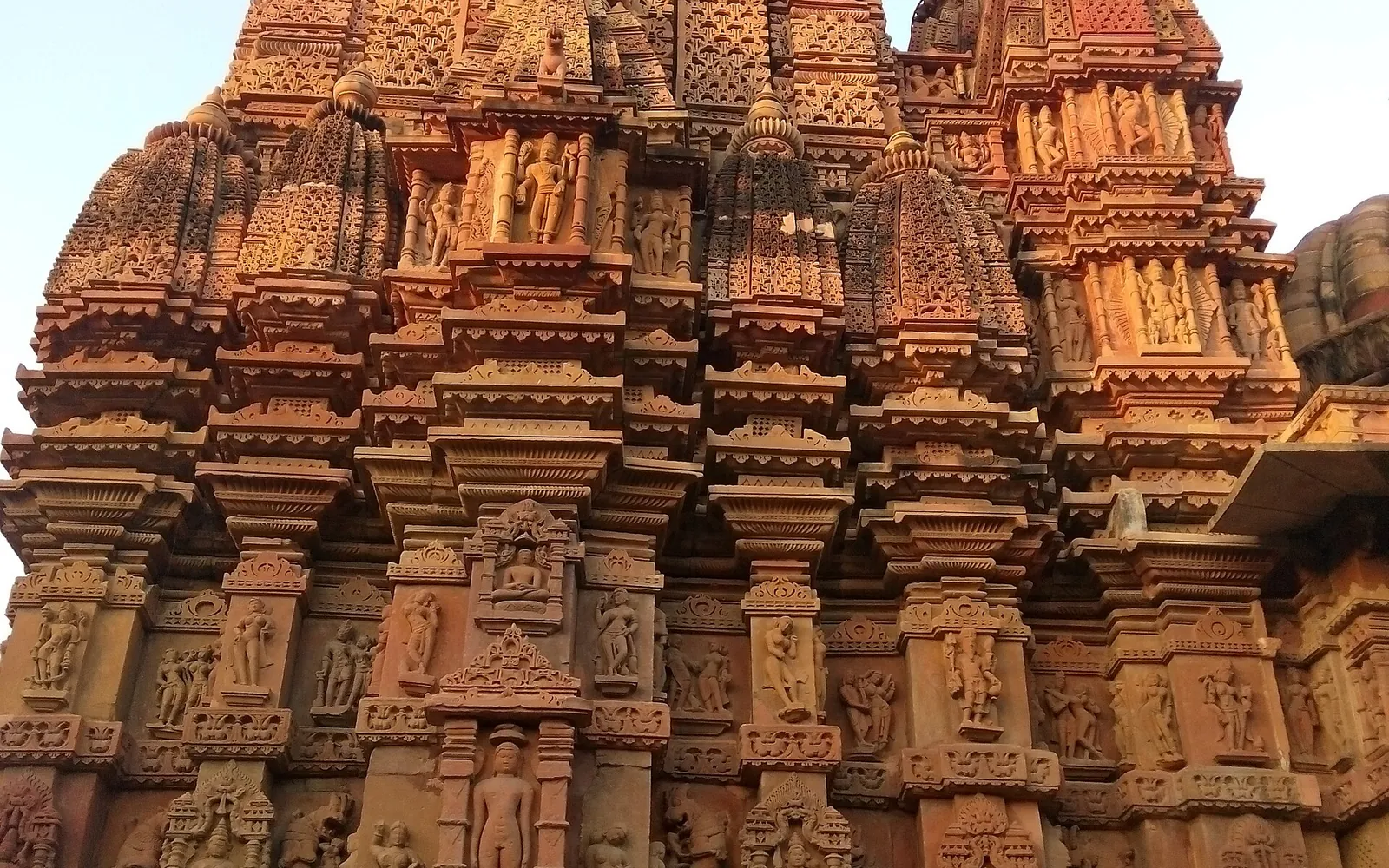
The Jain temples in Kota reflect the long presence and prosperity of the region’s Jain merchant families, and the city’s Digambar Jain temples are calm, well-kept places of worship. Cool marble floors, carved pillars and a sanctum enshrining a Tirthankara make a visit a quiet break from the busy streets.
Everything here speaks of the Jain emphasis on purity and non-violence, the hush, the spotless cleanliness, the gentle rituals of the devotees. Festivals such as Mahavir Jayanti and Paryushan fill the temple with colour, processions and communal worship, while on ordinary days it offers a meditative retreat within the busy city.
For travellers who appreciate craftsmanship and quiet spirituality, the temple is a rewarding stop, a graceful example of the artistry and faith the Jain community has brought to Kota’s heritage.
History of Digambar Jain Temple
Jain communities have been part of the mercantile life of the Hadoti region for at least a thousand years. Bijolia’s 1170 CE rock inscription praises three Tirthankaras, Jhalrapatan’s Shantinath temple is dated by Rajasthan Tourism to the 11th century, and Chandkheri near Khanpur became a major pilgrimage centre in the 17th century. When Kota grew into a princely capital, Jain merchant and banking families settled in its bazaars and built temples there.
Kota has more than one Digambar Jain temple, and this page describes the experience of visiting them rather than a single dated monument. We have not found an official or scholarly source giving the founding date of a specific city temple, so we do not quote one. If you want precise history, ask the temple committee, which usually keeps its own records.
Digambar and Shvetambar: the difference you will notice
Jains are divided into two main traditions. In Digambar temples, the images of the Tirthankaras are shown unclothed and without ornaments, reflecting the ideal of complete renunciation; in Shvetambar temples they are usually shown clothed and adorned, often with inset crystal eyes. Each Tirthankara is identified by a small emblem on the pedestal: a bull for Adinath, a deer for Shantinath, a snake for Parshvanath and a lion for Mahavira.
What to see at Digambar Jain Temple
- Marble floors and carved pillars around the main hall
- The Tirthankara images in the sanctum, and their pedestal emblems
- Morning worship, when devotees bathe and honour the images
- Festival days: Mahavir Jayanti in spring and Das Lakshan Parva, the main Digambar festival, usually in August or September
Etiquette
Leave shoes and leather items (belts, wallets) outside, dress modestly, do not take food or drink inside and ask before photographing. Keep your voice low; many devotees come to meditate.
Beyond the city
For the region’s older Jain sites, including Chandkheri, Jhalrapatan’s Shantinath temple, Unhel and Bijolia, see Jain temples in Hadoti. In the city, the Nasiyan Jain temple is another community temple worth a visit.
Visiting Digambar Jain Temple: practical details
| Detail | Information |
|---|---|
| Where | Kota city |
| Distance from Kota | About 3 km |
| Best time to visit | October to March; Mahavir Jayanti for the festival |
| Timings | Roughly 6:00 AM to 8:00 PM |
| Entry | Free |
| Getting there | Within the city about 3 km from the centre; reachable by auto or taxi. |
Distances are approximate road distances. Timings and entry charges change from season to season, so confirm them locally or with the district tourist office before you set out.
Combine Digambar Jain Temple with nearby places
- Mathuradheesh Temple: A major Krishna temple in the old city, an important Pushtimarg (Vallabhacharya) shrine and one of Kota’s most visited places of worship.
- Ghantaghar, Kota: Kota’s historic clock tower, the Ghantaghar, a much-loved old-city landmark surrounded by bustling markets.
- Patan Pol: One of the old fortified gates of Kota, the Patan Pol, marking an entrance to the historic walled city and its bazaars.
- Government Museum: Kota’s government museum, set in the Brijvilas Palace by Kishore Sagar, displaying sculptures, coins, manuscripts and artefacts of the Hadoti region.
Frequently asked questions
How do I get to Digambar Jain Temple from Kota?
Within the city about 3 km from the centre; reachable by auto or taxi.
When is the best time to visit Digambar Jain Temple?
October to March; Mahavir Jayanti for the festival.
What are the timings and entry charges for Digambar Jain Temple?
Timings: Roughly 6:00 AM to 8:00 PM. Entry: Free. Both change, so check locally before you go.
What is the difference between Digambar and Shvetambar temples?
In Digambar temples the Tirthankara images are unclothed and unadorned; in Shvetambar temples they are usually clothed and ornamented. Both traditions honour the same 24 Tirthankaras.
Sources
Editorial team
The KotaRajasthan.net team writes about the places, history and festivals of Kota and Hadoti, and corrects pages when readers point out changes.