Temples and worship
Jain Temples in Hadoti: Chandkheri, Jhalrapatan and Bijolia
Written by Kota Rajasthan Editorial Team · Updated
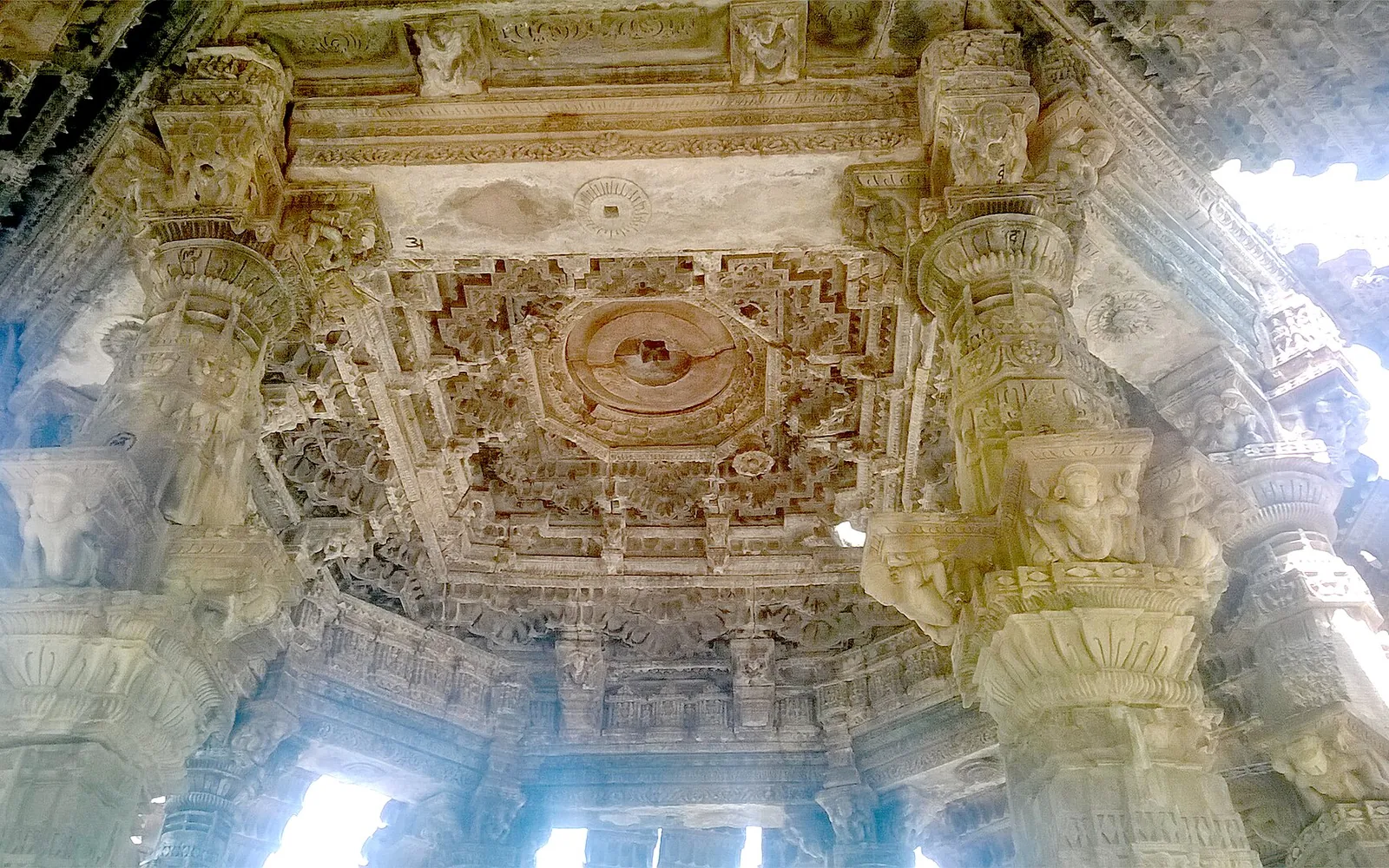
The Jain temples in Hadoti are among the region’s quietest and most rewarding sights. Jain merchants and pilgrims have been part of the life of Kota, Bundi, Jhalawar and Baran for a thousand years, and they left behind tall carved temples, inscriptions on rock and busy pilgrimage centres that still feed and house visitors. This guide covers the main Jain sites within reach of Kota, what each is known for, and how to visit respectfully. It complements our broader temples of Kota guide.
A short background
Jainism traces its teachings to twenty-four Tirthankaras, of whom the first is Rishabhanatha (also called Adinath), the sixteenth Shantinatha, the twenty-third Parshvanatha and the last Mahavira. In Rajasthan, Jain communities were often traders and bankers, and their patronage paid for some of the finest stone carving in the state. In Hadoti you find two kinds of Jain site: old temples that are now partly heritage monuments, and active tirthas (pilgrimage places) where devotees come in large numbers.
Jain temples in Kota city
Kota itself has several Jain temples. The Nasiyan Jain temple is a working Digambar temple complex used for festivals and by visiting monks, and the city’s Digambar Jain temples serve the large local Jain community. They are easy to add to a day in the old city or a Kota heritage walk. Timings vary with worship, so mornings are the safest time to visit.
Chandkheri, Khanpur
Chandkheri, near Khanpur in Jhalawar district, is the best-known Jain pilgrimage centre in the region. Rajasthan Tourism describes a 17th-century temple dedicated to Adinath, with a six-foot image of the Tirthankara seated in meditation. Local tradition tells of attacks in the Mughal period that failed to destroy the temple, and of crystal images of Tirthankaras found in a nearby cave in 2002. Treat these as the temple’s own legends. The complex offers traditional meals and pilgrim accommodation. Our Chandkheri Jain temple page has visiting details.
Shantinath Jain temple, Jhalrapatan
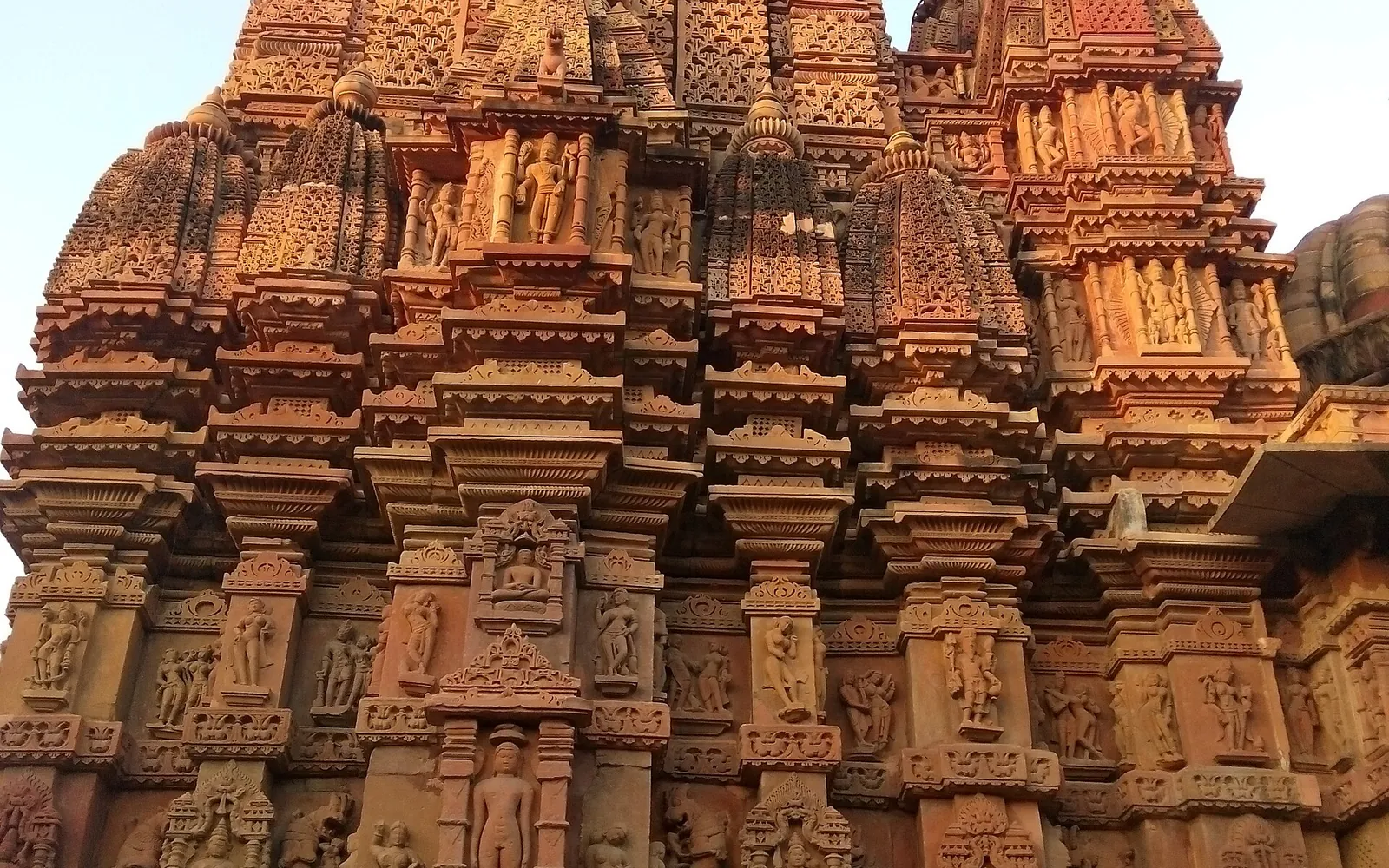
In Jhalrapatan, a few minutes from the great Sun temple, stands the Shantinath Jain temple. Rajasthan Tourism gives its height as 92 ft and dates it back to the 11th century, which makes it one of the oldest standing Jain temples in Hadoti. Its tall spire and dense sculpture make an interesting comparison with the Sun temple nearby. Jhalrapatan is about 6 km from Jhalawar, and the two temples, together with the Chandrabhaga temples, make a fine morning. Plan the rest of the day with our Jhalawar tourist places guide.
Nageshwar Parshvanath, Unhel
Further south, near the Madhya Pradesh border and listed by Rajasthan Tourism among Jhalawar’s sights, the Nageshwar Parshvanath tirtha at Unhel is an important centre for Jain pilgrims. Rajasthan Tourism describes a statue of Parshvanatha about a thousand years old, with meals and accommodation available within the temple area. It is a long drive from Kota, so most visitors combine it with an overnight stay in Jhalawar.
Bijolia: Parshvanath and the 1170 inscription
Bijolia, on the road from Kota towards Chittorgarh in Bhilwara district, has one of the most important inscriptions in Rajasthan’s history. The Bijolia inscription, dated 1170 CE (Vikram Samvat 1226), was issued in the reign of the Chahamana (Chauhan) king Someshvara. Its verses praise Rishabhanatha, Shantinatha and Parshvanatha, and it is a key source for early Chauhan history. The Archaeological Survey of India protects the 12th-century rock inscriptions in the Parshvanath temple compound, and the Shri Digambar Jain Parshvanath Atishaya Kshetra remains an active pilgrimage site. See Bijolia temples and the Kota to Chittorgarh road trip.
Kakoni: Jain images in a mixed temple site
At Kakoni (Kakuni) on the Parvan river in Baran district, the ruined temple complex includes temples to Jain as well as Vaishnava and Shaiva deities, some of them dating back to the 8th century according to Rajasthan Tourism. Many images from Kakoni are now in the museums at Kota and Jhalawar. See Kakoni temples and museums in Kota.
What to look for inside a Jain temple
A little background makes any of these temples easier to read. The main image in the sanctum is a Tirthankara, shown either seated in meditation (the lotus posture) or standing upright with arms hanging straight down, a posture known as kayotsarga. Because all Tirthankaras look alike in form, each is identified by a small emblem (lanchhana) carved on the pedestal: a bull for Rishabhanatha, a deer for Shantinatha, a snake for Parshvanatha, whose image is also often sheltered by a many-headed serpent hood, and a lion for Mahavira. Digambar images are unclothed; Shvetambar images are usually shown clothed and adorned. Look also for samavasarana panels, showing the assembly hall where a Tirthankara preaches to all beings, and for the names of donor families on inscriptions and pillars.
When to go
The temples are busiest during Paryushan and Das Lakshan Parva, the main Jain festivals of fasting and reflection, usually in August or September, and on Mahavir Jayanti in spring. These are good days to see living worship but bad days for quiet sightseeing. October to March is the most comfortable time for the longer drives to Jhalawar and Bijolia.
Visiting etiquette
- Shoes and leather stay outside, including belts and wallets where asked.
- Dress modestly, covering shoulders and knees.
- No food or drink inside temple premises.
- Photography rules differ; some sanctums do not allow it. Ask first.
- Timings follow the worship schedule; mornings are best.
Suggested combinations
- Kota city: Nasiyan and Digambar temples with the old city and Garh Palace.
- Jhalawar day: Jhalrapatan’s Shantinath and Sun temples, Chandrabhaga, then Gagron Fort.
- Chittorgarh road: Bijolia’s temples and inscription with Menal.
For a wider view of the monuments the government protects in the region, see protected monuments in Hadoti.
Frequently asked questions
Which are the main Jain temples near Kota?
Within the city, the Nasiyan temple and the Digambar Jain temples. Within a day's drive: Chandkheri near Khanpur, the Shantinath temple at Jhalrapatan, Nageshwar Parshvanath at Unhel, and the Parshvanath temple complex at Bijolia.
How old is the Shantinath Jain temple in Jhalrapatan?
Rajasthan Tourism dates it to the 11th century and gives its height as 92 ft. It stands near the 10th-century Sun temple in Jhalrapatan, about 6 km from Jhalawar.
What is special about Chandkheri?
Its main image is a six-foot seated Adinath (Rishabhanatha). The temple dates from the 17th century and is linked with legends of surviving Mughal-era attacks; it also has pilgrim accommodation and meals.
Can non-Jains visit these temples?
Generally yes, as respectful visitors. Remove shoes and leather items, dress modestly, avoid food and drink inside, and ask before taking photographs.
Sources
Editorial team
The KotaRajasthan.net team writes about the places, history and festivals of Kota and Hadoti, and corrects pages when readers point out changes.