Palaces and heritage
Protected Monuments in Hadoti: ASI Sites in Kota and Beyond
Written by Kota Rajasthan Editorial Team · Updated
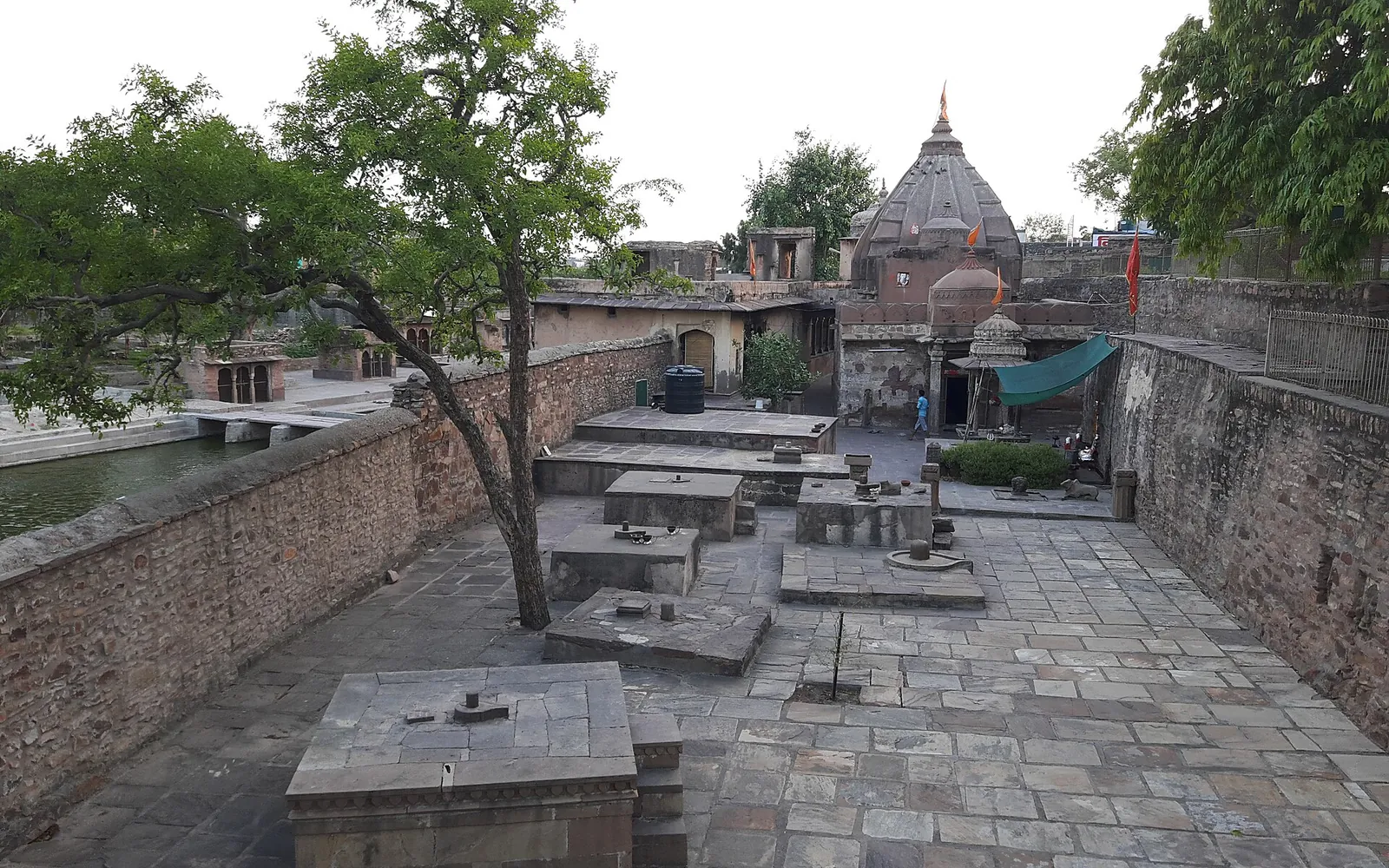
The protected monuments in Hadoti are the sites the Archaeological Survey of India (ASI) has declared Monuments of National Importance in Kota, Bundi, Jhalawar and Baran districts. The list is short, only 18 entries, and it is not what most visitors expect. It includes famous places like the Kansua temple and the Chandrabhaga temples, but also Buddhist caves few people have heard of, Vedic sacrificial pillars, Gupta-period inscriptions and ancient mounds. Some are easy to visit; others are remote ruins. This guide lists every entry, explains what it is and points you to our detailed pages where we have them.
What “Monument of National Importance” means
Under India’s ancient monuments law, the central government can declare a site to be of national importance. The ASI then maintains and protects it, and building, mining or damage in and around it is controlled. Rajasthan has about 163 such monuments. Separately, the Rajasthan state department of archaeology protects many more sites, and UNESCO lists a few as World Heritage. This page covers the ASI national list, with notes on important neighbours.
Kota district (3)
| Place | What is protected |
|---|---|
| Kansua (Kanswa) | Temple with inscriptions |
| Charchoma | Shiva temple and two unpublished Gupta inscriptions |
| Darra (Mukundara) | Temple, fort wall and statues |
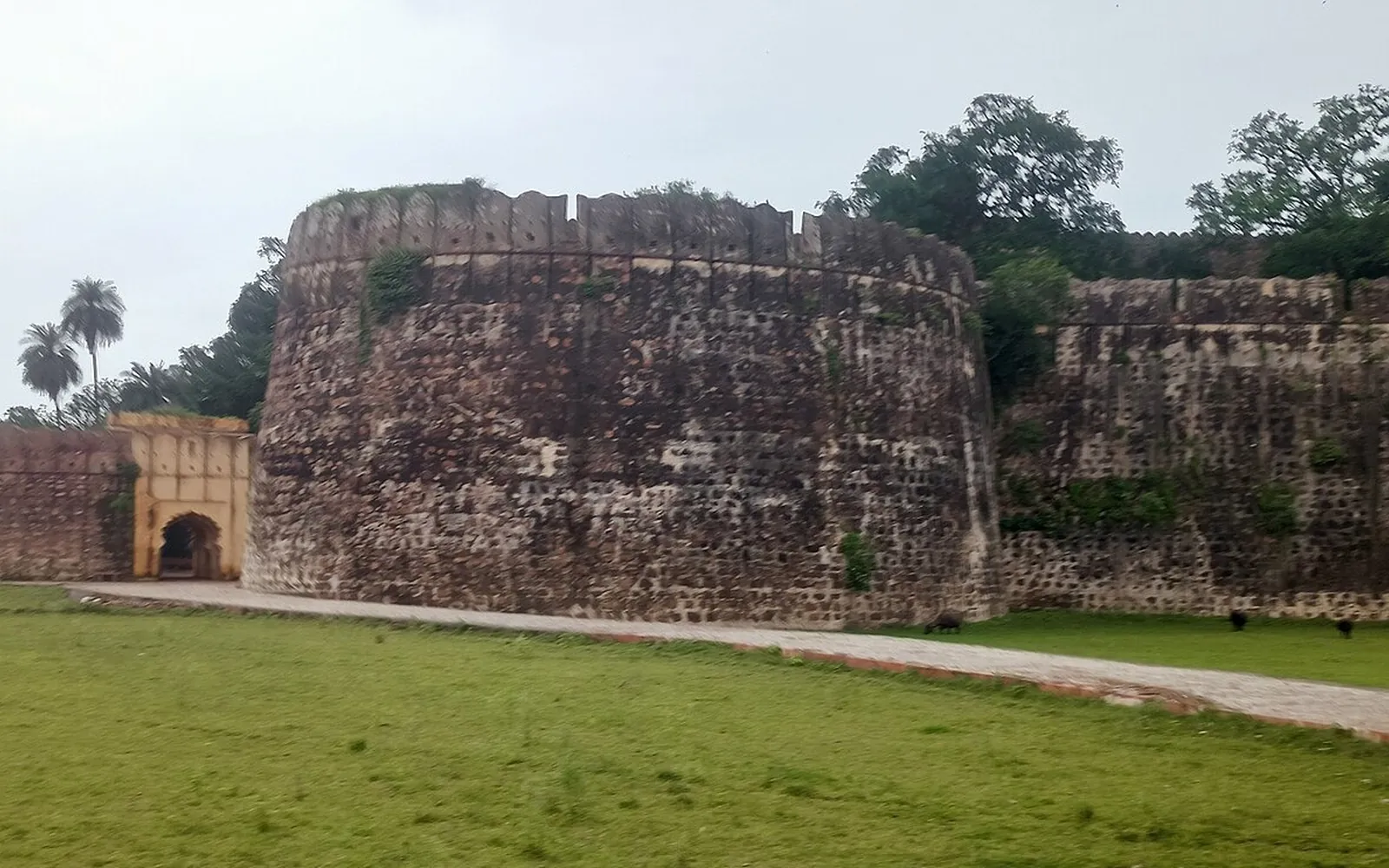
Kansua is the one most visitors see. The Shiva temple on the edge of Kota has a stone inscription that Rajasthan Tourism dates to 738 AD; see Kansua temple. Charchoma is notable for two Gupta-period inscriptions that the ASI list describes as unpublished, which makes it one of the older inscribed sites in the district. Darra, in the pass through the Mukundara hills, has temple remains, statuary and a fort wall inside what is now the Mukundara Hills Tiger Reserve. Sculpture from sites like these is displayed at the Government Museum, Kota.
Bundi district (3)
| Place | What is protected |
|---|---|
| Bundi | Wall paintings of the Hadoti school in the Garh Palace |
| Nainwa | Ancient mound |
| Keshoraipatan | Ancient mound |
The wall paintings in Bundi’s Garh Palace are the only paintings on the list, a recognition of the Bundi murals that draw visitors to the Bundi Palace and the Chitrashala; see Bundi school of painting. The mounds at Nainwa and at Keshoraipatan, the pilgrimage town on the Chambal (see Keshoraipatan), are archaeological deposits rather than buildings.
Jhalawar district (7)
| Place | What is protected |
|---|---|
| Kolvi (Dag) | Buddhist caves, pillars and idols |
| Binnayaga (Dag) | Buddhist caves and pillars |
| Binnayaga (Dag) | Caves of Naranjani and others |
| Hathiagor | Buddhist caves |
| Dudhaliya (Dag) | Ancient ruins |
| Dalsanagar (Gangadhar) | Ancient ruins |
| Jhalrapatan | Old temples near the Chandrabhaga |
Jhalawar has the most entries, and four of them cover Buddhist caves at Kolvi, Binnayaga and Hathiagor. Kolvi is the best known, with a colossal Buddha and carved stupas; Binnayaga and Hathiagor are smaller and less visited groups in the same part of the district. The Chandrabhaga temples at Jhalrapatan, including the 7th-century Sitaleshwar temple, are the other major site; see Chandrabhaga temples.
Baran district (5)
| Place | What is protected |
|---|---|
| Badwa | Yupa pillars |
| Atru (Ganesh-Ganj) | Ruins of temples |
| Baran | Temple (12th century) |
| Shergarh | Old temples, statues and inscriptions |
| Krishnavilas | Ancient ruins and structural remains |
The yupa pillars of Badwa are stone versions of the wooden posts used in Vedic sacrifices, rare survivals of a very old ritual tradition; yupas from Badwa are also displayed in the Kota museum. At Atru, a 1257 CE inscription of the Paramara king Jayavarman II was found on a pillar of the Gadgach temple, recording the grant of a village to a poet. Shergarh, the fort on the Parvan river, has temples, sculpture and inscriptions; see Shergarh Fort and Baran tourist places.
Protected sites just outside Hadoti
Several of the region’s most visited heritage sites fall in neighbouring districts but are usually visited from Kota:
- Baroli (Badoli), Chittorgarh district: the Ghateshwar temple and the other temples of the complex. See Baroli temples.
- Menal, Chittorgarh district: the Mahanal temple and math. See Menal.
- Bijolia, Bhilwara district: the Mahakal and two other temples, and 12th-century rock inscriptions including those in the Parshvanath temple compound. See Bijolia temples and Jain temples in Hadoti.
- Gagron Fort, Jhalawar: a UNESCO World Heritage site since 2013 as part of the Hill Forts of Rajasthan. See Gagron Fort.
Visiting protected monuments
- Check access first. Several sites are inside forest reserves or on farmland. Ask locally or at the district tourist office.
- Follow site rules. Do not climb on structures, touch paintings, or scratch names. Damage to protected monuments is an offence.
- Photography is usually allowed for personal use outdoors; drones and tripods may need permission.
- Go early. Morning light is kinder to carved stone, and it is cooler for the walk to remote caves.
Grouping the sites into trips
The list makes more sense on the map than in a table. From Kota, Kansua is a short city outing and Darra is on the road through the Mukundara hills. A long day south-east covers Jhalrapatan’s Chandrabhaga temples with Gagron, while Kolvi and the other cave groups near Dag need a separate early start from Jhalawar. Bundi’s painted palace is an easy day trip. In Baran, Shergarh, Atru and the temples at Ramgarh and Kakoni sit in the same broad area and suit an overnight stay in Baran town. The road west to Chittorgarh links Menal, Bijolia and Baroli.
For the story behind these places, start with the history of Kota and the Hadoti region guide.
For a tour of the region’s fortresses, from Gagron and Taragarh to Shergarh and Shahabad, read forts near Kota.
Frequently asked questions
How many ASI protected monuments are there in Hadoti?
The ASI list of Monuments of National Importance for Rajasthan includes 18 entries in Kota, Bundi, Jhalawar and Baran districts. Rajasthan as a whole has about 163.
Which ASI monuments are in Kota district?
Three: the Shiva temple with two Gupta-period inscriptions at Charchoma, the temple, fort wall and statues at Darra (Mukundara), and the temple with inscriptions at Kansua (Kanswa) on the edge of Kota city.
Is Gagron Fort ASI protected?
Gagron is part of the UNESCO World Heritage site Hill Forts of Rajasthan (2013). It does not appear in the ASI's national list for Jhalawar, which covers the Buddhist caves, ancient ruins and the Chandrabhaga temples.
Can I visit all of these sites?
Not all are set up for visitors. Kansua, the Chandrabhaga temples, Kolvi caves and Bundi Palace are easy to visit. Ancient mounds and ruins such as those at Nainwa, Dudhaliya or Krishnavilas may show little above ground and may be hard to find.
Sources
Editorial team
The KotaRajasthan.net team writes about the places, history and festivals of Kota and Hadoti, and corrects pages when readers point out changes.