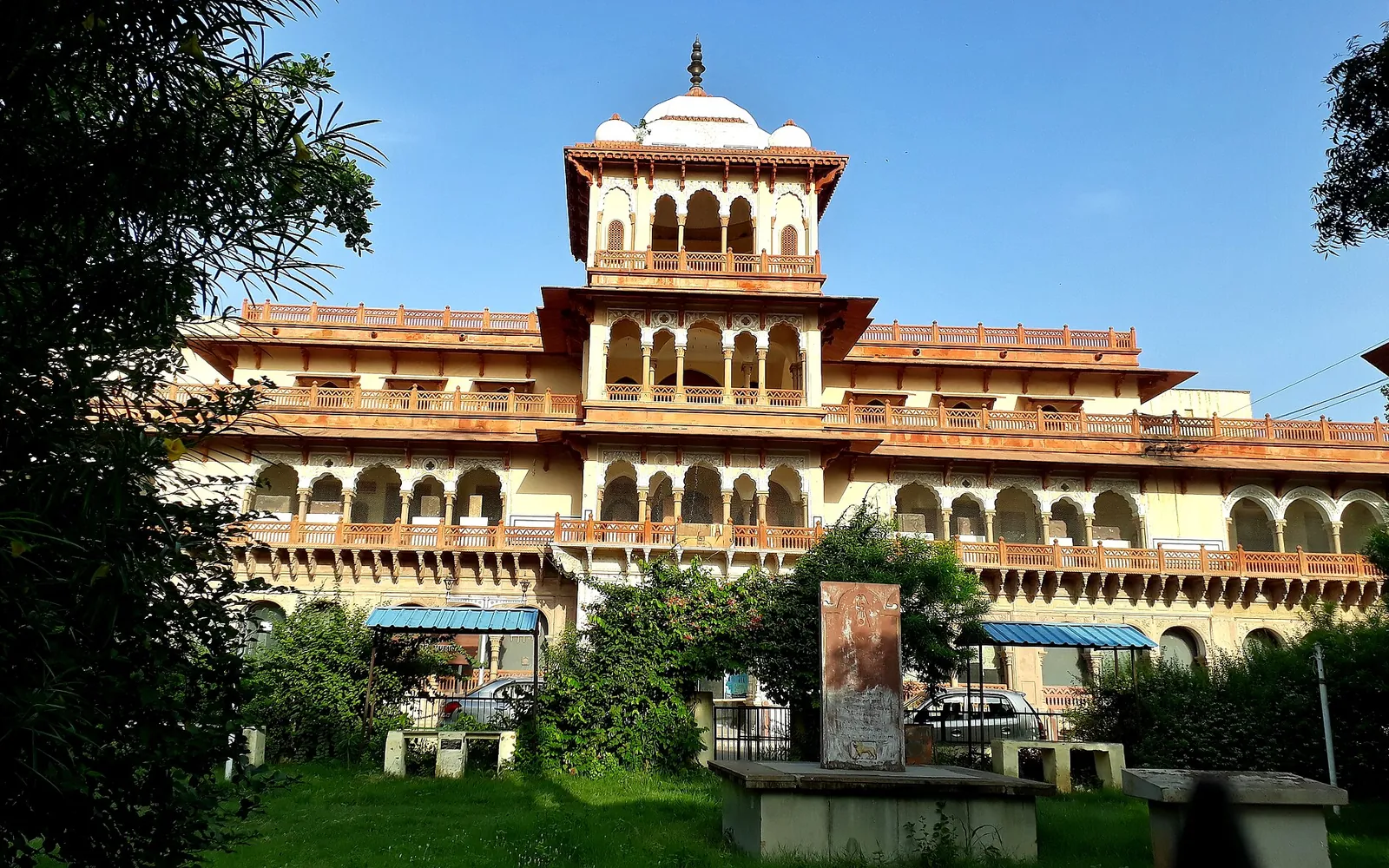
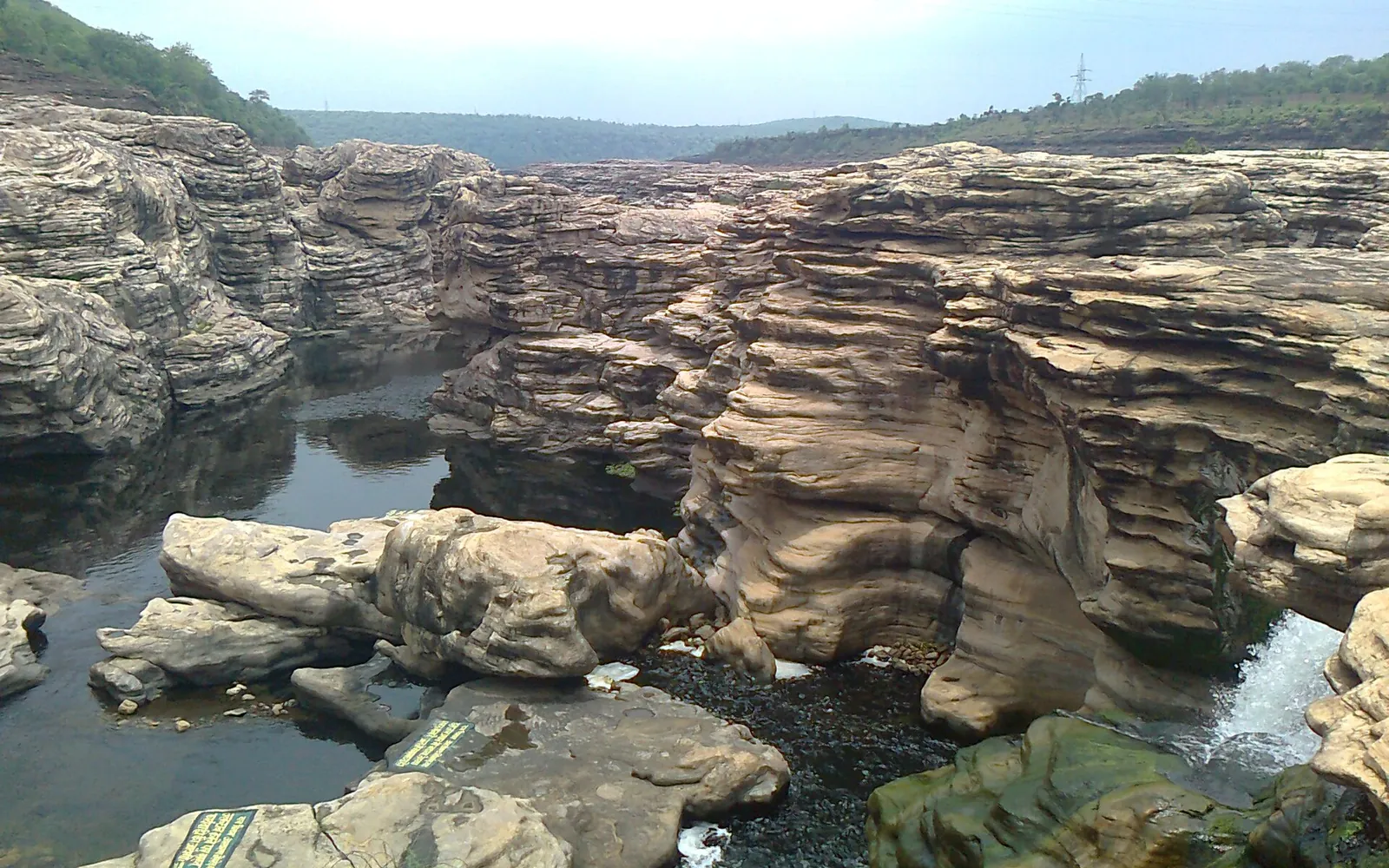
Hadoti day trips
Baran Tourist Places: Ramgarh Crater, Forts and Temples
Written by Kota Rajasthan Editorial Team · Updated
The best Baran tourist places are for travellers who like the road less taken: a meteorite crater with a 10th-century temple in the middle, hill forts in the forest, river temples and a tribal fair that draws huge crowds. Baran district lies east of Kota in the Hadoti region. Rajasthan Tourism calls it the land of wooded hills and valleys, and that is a fair summary. The sights are spread out, so this guide groups them into routes you can drive from Kota.
Baran in brief
Before independence most of present-day Baran was part of the princely state of Kota. It was carved out of Kota district as a separate district on 10 April 1991, named after its headquarters town. Rajasthan Tourism traces the history of the area to Solanki Rajput rule in the 14th century. The Kali Sindh, Parvati and Parwan are the main rivers.
Baran is less developed for tourism than Kota or Bundi. In the 2011 census about 70 percent of the district’s people gave Harauti, the regional language, as their mother tongue, and the district has large Sahariya and other tribal communities whose fairs are among the most interesting events in the region. See our Hadoti region guide for background.
Ramgarh crater and Bhand Devra temple
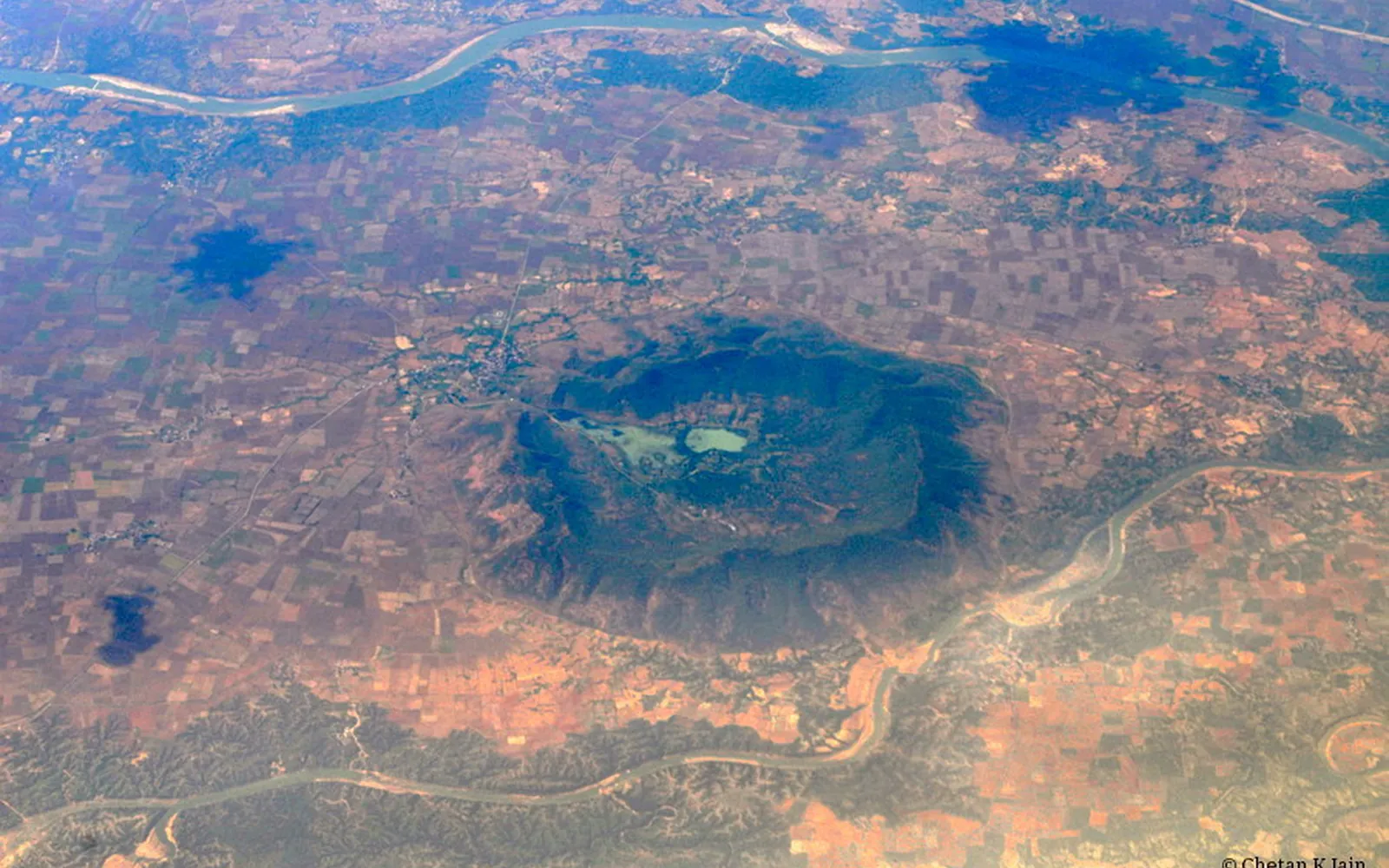
The Ramgarh crater, about 40 km from Baran, is the district’s most unusual sight: a ring of hills around 3 km across rising from the plain. Geologists debated its origin for more than a century. It was confirmed as a hypervelocity impact crater in 2020, and the Geological Survey of India had already declared it a National Geological Monument in 2018. Estimates of its age vary widely between studies, so treat any single figure you see with caution.
Inside the ring, beside a pond, stands the Bhand Devra temple, a Shiva temple dated to around the 10th century and built in a style often compared with Khajuraho; Rajasthan Tourism calls it the mini Khajuraho of Rajasthan. Nearby, the Ramgarh Mata temple on the hilltop was built by Zalim Singh Jhala and contains the Kisnai Mata and Annapurna Devi shrines.
Forts: Shahabad and Shergarh
- Shahabad Fort. About 80 km from Baran, in dense forest above the Kunda Koh valley. Rajasthan Tourism describes it as one of the strongest forts in Hadoti, dates it to the 16th century and credits its construction to the Chauhan ruler Mukatmani Dev. The Shahi Jama Masjid in Shahabad town was built during Aurangzeb’s reign on the pattern of Delhi’s Jama Masjid. The picnic spot Tapasviyon ki Bagechi is nearby.
- Shergarh Fort. About 65 km from Baran on the Parwan river. Its original name was Koshavardhan; the present name is linked to its capture by Sher Shah Sur. An inscription of 790 CE attests the site’s age. The surrounding Shergarh sanctuary is wooded country with sloth bear, leopard and wild boar.
Temples: Kakuni, Bansthuni and Sitabari
- Kakuni (Kakoni) temples. About 85 km from Baran on the Parwan, a complex of Jain, Vaishnava and Shiva temples, some of them from the 8th century. Many sculptures from here are now in the museums of Kota and Jhalawar. The remains of Bhimgarh fort are nearby.
- Bansthuni. A 9th-10th century temple on the Shahabad road, 24 km from Baran, with carved pillars and an image of Vishnu’s Varaha avatar outside.
- Sitabari. About 45 km from Baran near Kelwara, a group of temples and sacred kunds (tanks) named after Sita, Lakshman, Surya, Lav and Kush. Local tradition associates the place with the birth of Lav and Kush. The Sitabari fair on Jyeshtha Amavasya is described as the Kumbh of the Sahariya community and doubles as a cattle fair.
Nature: Sorsan and Kapil Dhara
Sorsan grasslands, about 50 km from Kota, is a bird sanctuary of roughly 41 sq km with scrub, grassland and water bodies. Rajasthan Tourism lists orioles, quails, partridges, robins, weavers, greylag geese, pochards, teals and pintails, with warblers, larks, starlings and rosy pastors arriving in winter, and blackbuck and gazelle on the grasslands. The nearby Sorsan Mataji (Brahmani Mata) temple holds a fair on Shivratri. Our Sorsan bird sanctuary guide covers the grassland, its conservation status and how to bird it responsibly.
Kapil Dhara, about 50 km from Baran, is a waterfall with a gaumukh spring, best after the monsoon.
Festivals and culture
- Dol Mela in Baran town begins on Jaljhulni Ekadashi with a procession of dols (decorated carriers) from the town’s temples to Dol Talab. It draws visitors from Madhya Pradesh too.
- Sitabari fair, see above.
- Chakri dance of the Kanjar community, a spinning dance performed by women to dholak music.
See the festivals calendar for Kota and Hadoti for other dates.
Suggested routes from Kota
Day 1, crater and temples: Kota to Baran (Government Museum, Hadouti Panorama), then Ramgarh crater and Bhand Devra, back via Sorsan for the late-afternoon birds.
Day 2, forts and forest: Shergarh fort and Kakuni on the Parwan, or the long drive to Shahabad. Both are full days and roads in the interior can be slow, so start early and carry water and food.
Practical tips
- Hire a car. Public transport reaches Baran town but not most of the sights.
- Go October to March. Summer heat is intense, and monsoon rain can make forest roads difficult. See best time to visit Kota.
- Facilities are basic. Many sites have no ticket office, café or guide. Respect active temples and ask before photographing people.
- Pair with Kota. Spend at least a day on Kota’s own sights first; our one-day Kota itinerary and hidden gems around Kota help plan the rest.
Frequently asked questions
How far is Baran from Kota?
Rajasthan Tourism puts Baran about 74 km from Kota. Baran station is on the Kota-Bina railway line, around 67 km from Kota Junction by rail.
What is Baran famous for?
The Ramgarh crater, a meteorite impact structure declared a National Geological Monument, and the 10th-century Bhand Devra temple inside it; Shahabad and Shergarh forts; the Sitabari fair of the Sahariya community; and the Chakri dance of the Kanjar community.
Is Ramgarh crater worth visiting?
Yes, if you like landscapes and old temples. The ring of hills is about 3 km across, and the Bhand Devra temple stands beside a pond within it. It is about 40 km from Baran.
When is the Sitabari fair?
On Jyeshtha Amavasya, the new moon of the month of Jyeshtha (around May-June). Check the year's date in a panchang or with the district administration.
Sources
Editorial team
The KotaRajasthan.net team writes about the places, history and festivals of Kota and Hadoti, and corrects pages when readers point out changes.