Hadoti day trips
Shahabad Fort, Baran: History, Cannons and Visitor Guide
Written by Kota Rajasthan Editorial Team · Updated
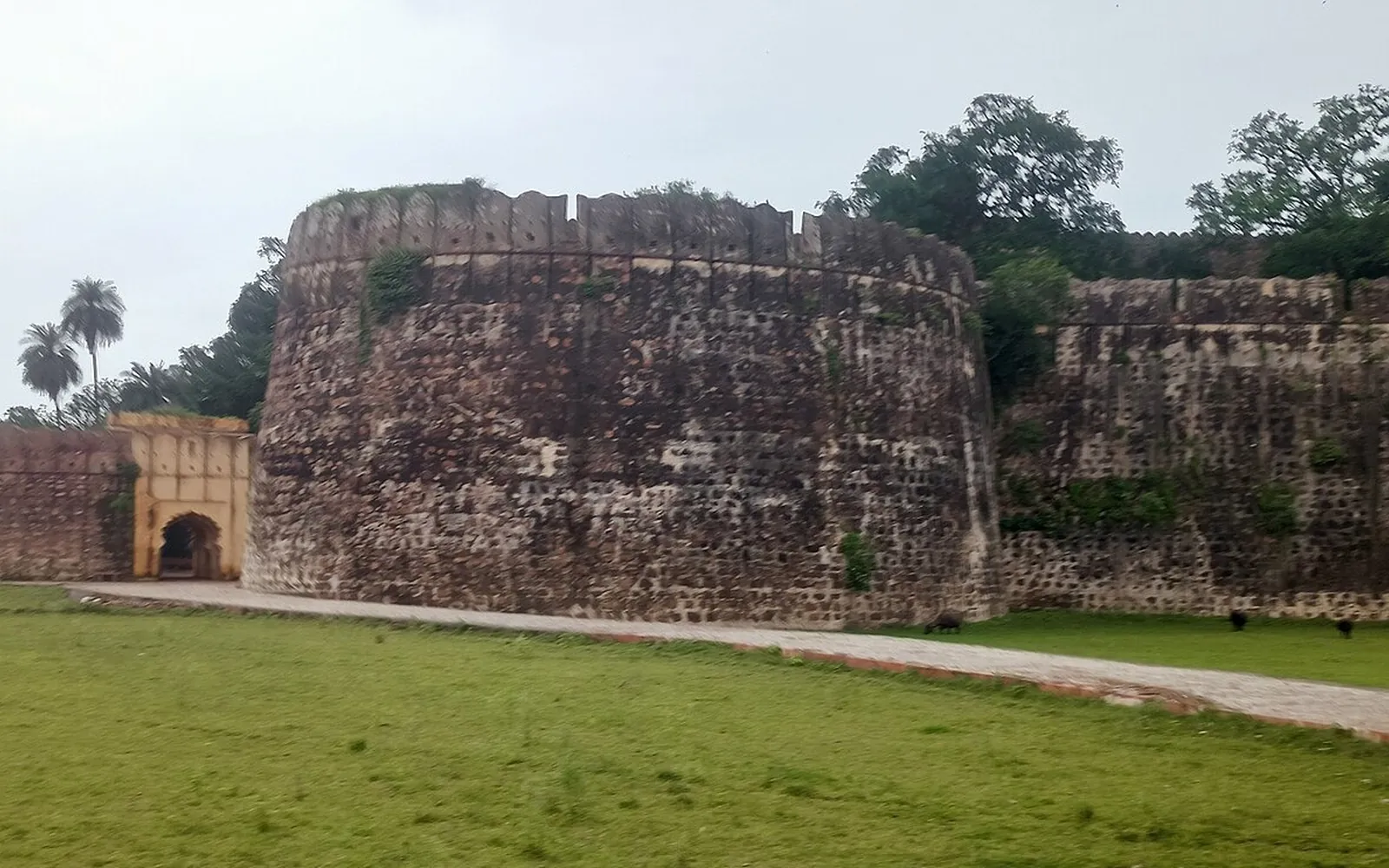
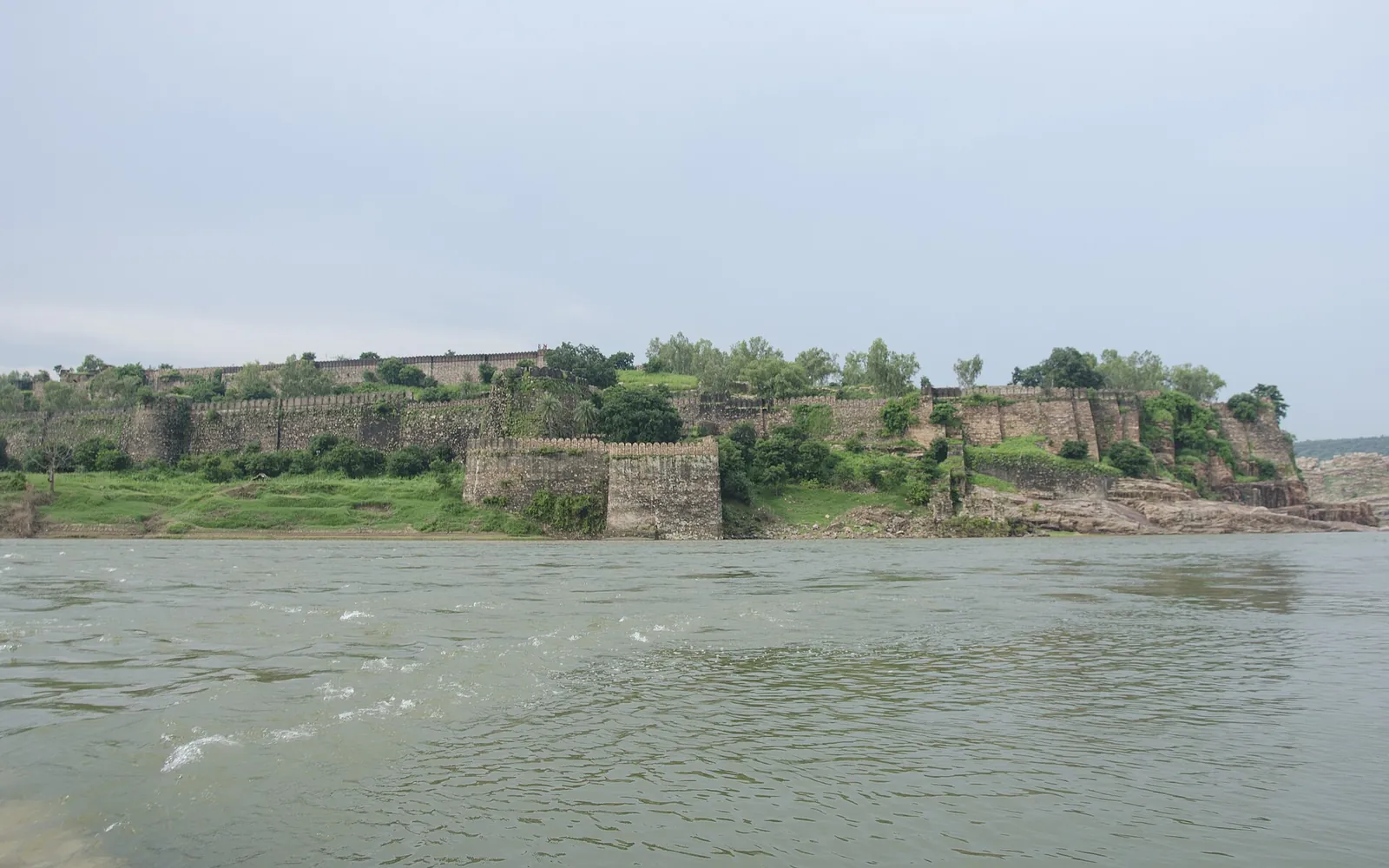
Hidden in the wooded hills of the Baran district, Shahabad Fort is one of the most formidable and least-visited strongholds in the whole of Hadoti. Built on a high, rocky hill and protected by thick forest, deep ravines and stout walls, it was long considered one of the most impregnable forts in the region.
Within its ramparts survive palaces, temples, cannons and great water tanks. Rajasthan Tourism says the fort was once home to 18 powerful cannons, one of them 19 feet long. The remoteness that once made it so defensible now gives it a wonderfully wild, undiscovered atmosphere, and the forest setting means wildlife is often about.
Shahabad is a fort for the adventurous traveller. It is a long haul from the city, but for those seeking offbeat Hadoti tourism and dramatic, untouched history, it is among the most memorable day trips from Kota.
History of Shahabad Fort
Rajasthan Tourism describes Shahabad as one of the strongest forts in Hadoti, built in the 16th century by Mukutmani Dev, a Chauhan Rajput; the year usually given is 1521. It stands in dense forest above the Kunda Koh valley. Its strength and isolation made it a coveted possession, and it passed through the hands of several powers. Rajasthan Tourism notes that the Mughal emperor Aurangzeb lived here for some time, and the Shahi Jama Masjid in Shahabad town was built during his reign.
The fort’s arsenal and its extensive water works allowed it to withstand long sieges. In the 19th century the Shahabad district became part of the princely state of Jhalawar; when that state was broken up in 1897, Shahabad was one of the two districts kept for the new Jhalawar formed in 1899, as our history of Jhalawar explains. Today it lies in Baran district; see our Baran tourist places guide for other sights on the way.
The Shahi Jama Masjid
In Shahabad town, the Shahi Jama Masjid was constructed during the reign of Aurangzeb, according to Rajasthan Tourism. It is worth combining with the fort, but remember that it is a place of worship: dress modestly, remove shoes where asked and avoid prayer times.
What to see at Shahabad Fort
- Formidable hilltop ramparts
- Old cannon positions
- Palaces, temples and water tanks within
- Deep forest and ravine setting
- Offbeat, uncrowded exploration
Planning the trip
- Allow a full day from Kota; the drive is long and the final stretch passes through forest.
- Carry water and food; facilities near the fort are limited.
- Go in daylight and with company; parts of the fort are ruined and isolated.
- Combine with Sitabari or the Kakoni temples only if you are staying overnight in Baran.
Visiting Shahabad Fort: practical details
| Detail | Information |
|---|---|
| Where | Hadoti Region, Baran district |
| Distance from Kota | About 130 km |
| Best time to visit | October to March |
| Timings | Daylight hours |
| Entry | Free / nominal |
| Getting there | From Kota, drive roughly 130 km via Baran to Shahabad; the final approach is through forested hill roads, best with a private vehicle. |
Distances are approximate road distances. Timings and entry charges change from season to season, so confirm them locally or with the district tourist office before you set out.
Combine Shahabad Fort with nearby places
- Shergarh Fort: An old fort on the banks of the Parvan River in Baran district, with layers of Hindu, Jain and Islamic history.
- Ramgarh Crater & Bhand Devra Temple: An ancient carved Shiva temple set within the Ramgarh meteorite crater in Baran district, nicknamed the Khajuraho of Hadoti for its sculptures.
- Sitabari: A revered pilgrimage site in Baran district associated with the Ramayana, set among forest, temples and sacred kunds (water tanks).
Frequently asked questions
How do I get to Shahabad Fort from Kota?
From Kota, drive roughly 130 km via Baran to Shahabad; the final approach is through forested hill roads, best with a private vehicle.
When is the best time to visit Shahabad Fort?
October to March.
What are the timings and entry charges for Shahabad Fort?
Timings: Daylight hours. Entry: Free / nominal. Both change, so check locally before you go.
What is Shahabad Fort known for?
Remote forest hill fort with the giant Nau Gaz cannon.
Who built Shahabad Fort?
Mukutmani Dev, a Chauhan Rajput, in the 16th century according to Rajasthan Tourism; the date commonly given is 1521.
How is Shahabad connected to Jhalawar?
When the British broke up Jhalawar state in 1897, the Shahabad district and the Chaumahla were kept as the new, smaller Jhalawar state formed in 1899. Shahabad is now in Baran district.
Sources
Editorial team
The KotaRajasthan.net team writes about the places, history and festivals of Kota and Hadoti, and corrects pages when readers point out changes.