History and people
History of Jhalawar: From Zalim Singh's Camp to a State
Written by Kota Rajasthan Editorial Team · Updated
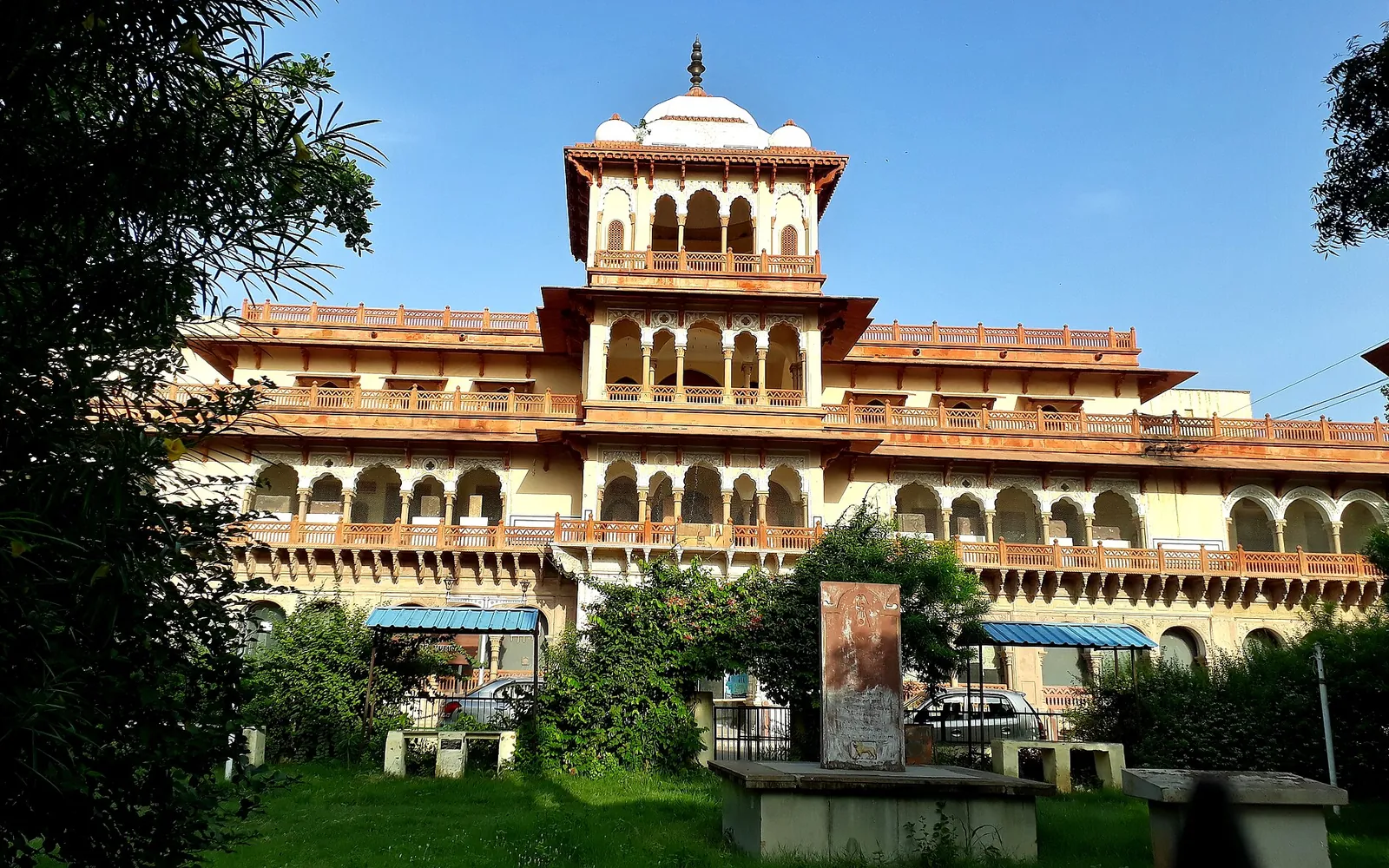
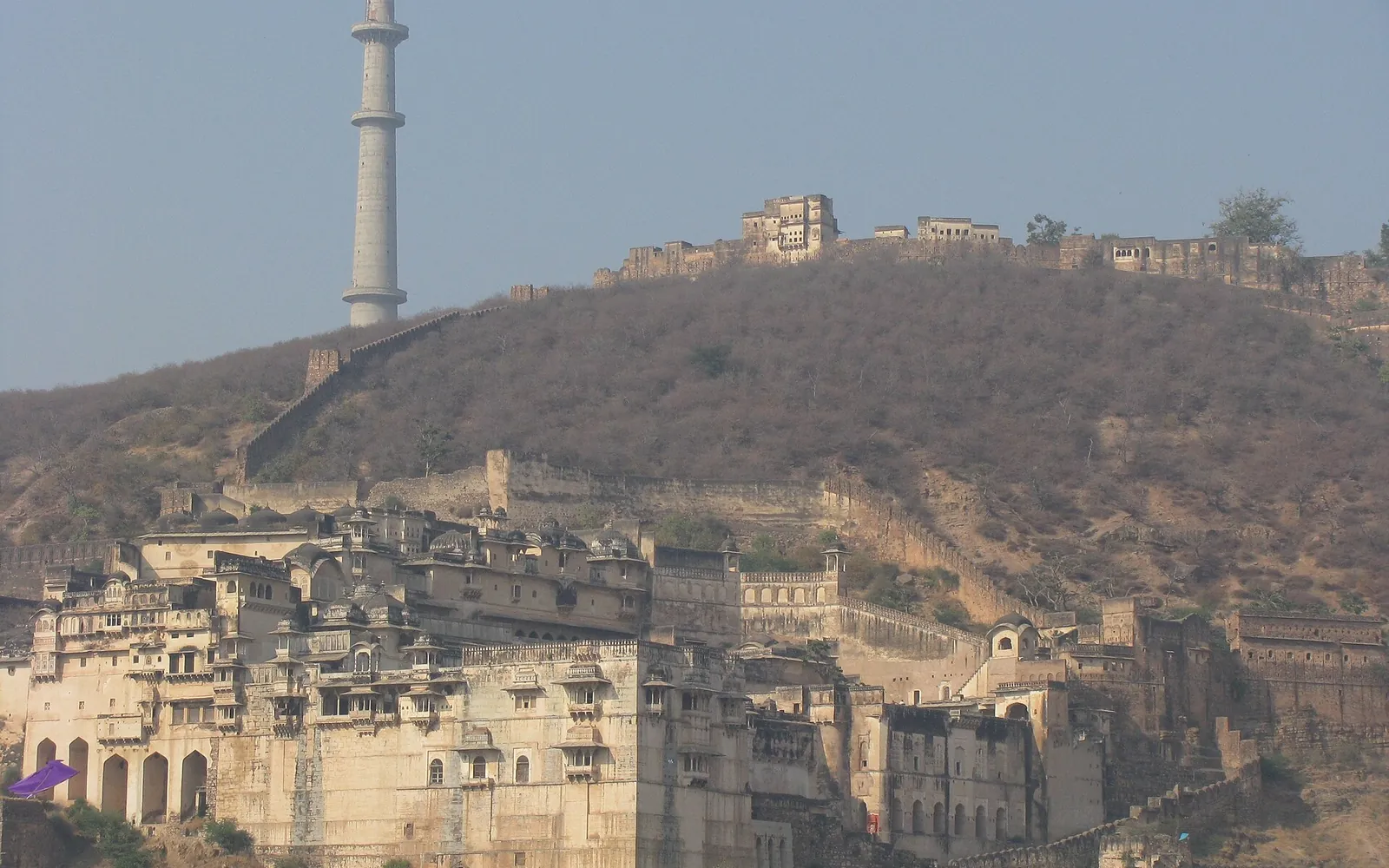
The history of Jhalawar is younger and stranger than that of its neighbours. Bundi and Kota were old Hada kingdoms; Jhalawar was created on paper in 1838, from land taken out of Kota, for the family of a minister who had ruled Kota in all but name. Its capital started life as an army camp. Yet the area it covers is one of the oldest settled parts of Hadoti, with 7th-century temples at Jhalrapatan and the great water fort of Gagron. This guide explains how the state came about, who ruled it and what you can still see, about 85 km south-east of Kota.
Older than the state: Jhalrapatan and Gagron
Long before there was a Jhalawar, the country here was rich in temples and forts. The Chandrabhaga temples beside the river at Jhalrapatan include the Sitaleshwar temple, dated to around the 7th century, and the town’s Sun Temple is a 10th-century Vishnu temple that Rajasthan Tourism describes as the finest in Jhalrapatan. Gagron, where the Ahu and Kali Sindh rivers meet, is one of the six hill forts of Rajasthan on the UNESCO World Heritage list. When the Jhala family arrived, they inherited this landscape.
Zalim Singh’s cantonment
The founder figure of Jhalawar is Zalim Singh Jhala, a Jhala Rajput whose family, originally from Wadhwan in Gujarat, had risen in Kota’s service. From 1771 he was regent of Kota and, for almost fifty years, its real ruler.
Zalim Singh liked to hunt in the forests south of Kota, and he saw the area’s value as a defensive base against Maratha armies coming up from Malwa. He set up a military camp, Chhaoni Umedpura, near the old town of Jhalrapatan. Wikipedia dates its foundation to 1791 and its growth into a township to about 1803-04. When James Tod passed through in December 1821, he described a cantonment with substantial houses and havelis inside a wall. Zalim Singh also built the Dwarkadheesh temple on Gomti Sagar, which Rajasthan Tourism dates to 1796.
The split from Kota (1838)
Zalim Singh’s power, backed by the British after Kota’s treaty of 1817, left the Maharaos of Kota with the throne and little else. The tension led to open conflict, including the clash at Mangrol in 1821, and continued after Zalim Singh’s death in 1824. In 1838 the British resolved it by dividing the state. Districts worth about a third of Kota’s income were separated to form Jhalawar, which agreed to pay an annual tribute to the British. Zalim Singh’s grandson Madan Singh became its first ruler on 8 April 1838 with the title Maharaj Rana. The rulers of Kota page shows the same story from Kota’s side.
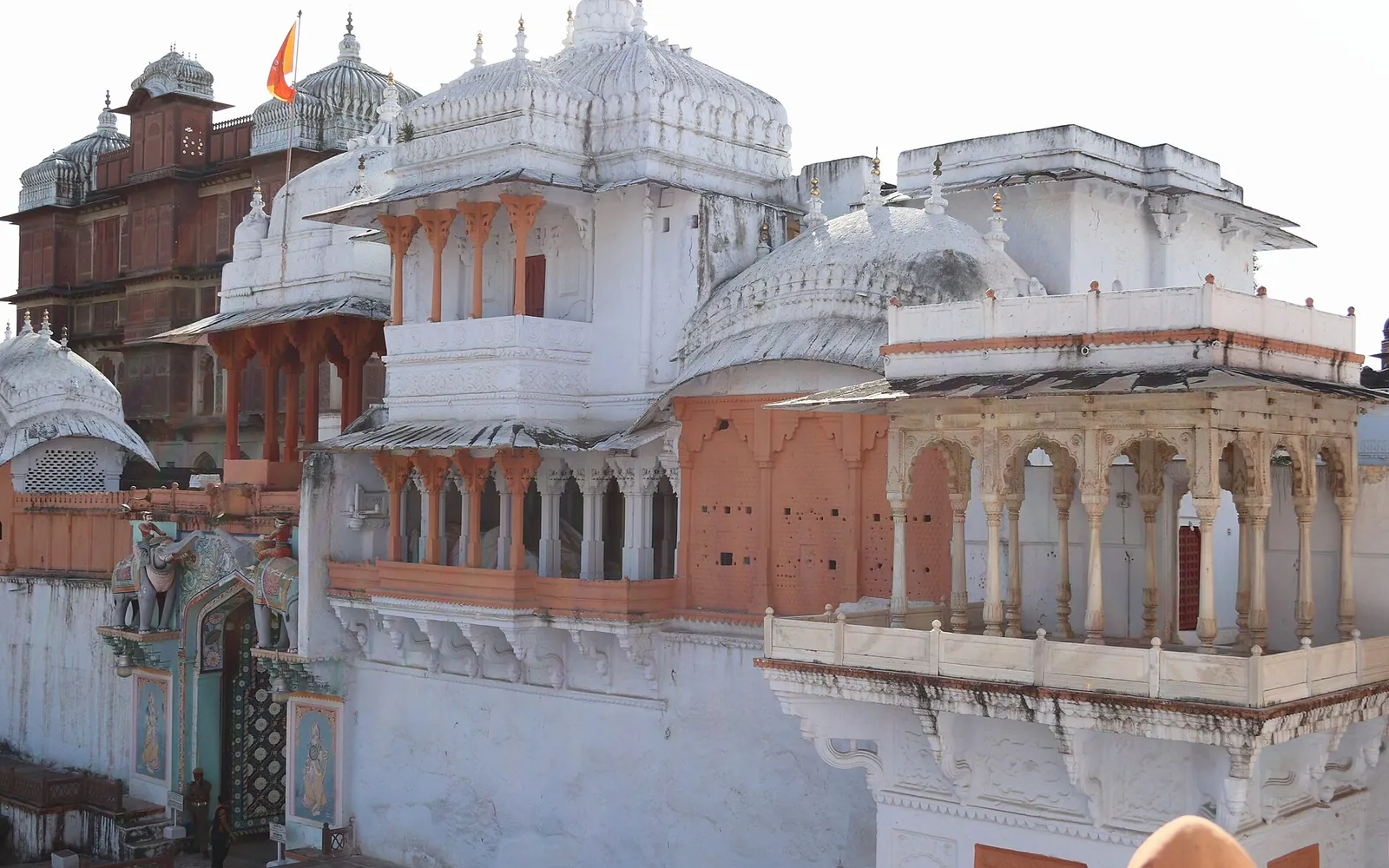
Madan Singh built the Garh Palace in the centre of the town; Rajasthan Tourism says it was built by him and his successors between 1838 and 1854. He died in 1845.
The Maharaj Ranas
| Ruler | Dates | Notes |
|---|---|---|
| Madan Singh | 1838-1845 | First Maharaj Rana; Garh Palace begun |
| Prithvi Singh | 1845-1875 | Long reign; municipality set up in Jhalawar in 1883, after his death |
| Zalim Singh II | 1875-1896 | Adopted from the Wadhwan line; deposed by the British in 1896 |
| (interregnum) | 1896-1899 | State broken up and re-formed |
| Bhawani Singh | 1899-1929 | Re-founded state; museum and theatre |
| Rajendra Singh | 1929-1943 | Knighted 1938 |
| Harish Chandra Singh | 1943-1948 | Last ruler; acceded to India in 1947 |
Deposition and re-founding (1896-1899)
The adopted ruler Zalim Singh II was a minor when he succeeded and received full powers only in 1884. His relations with the British broke down, and in 1896 he was deposed for what the government called persistent misgovernment. The British then decided, in 1897, to break up the state: most of its territory went back to Kota, while two districts, Shahabad and the Chaumahla, became a new and much smaller Jhalawar from 1 January 1899. Its population in 1901 was about 90,000. That is why places such as Shahabad Fort, now in Baran district, appear in Jhalawar’s story.
Bhawani Singh’s reforms
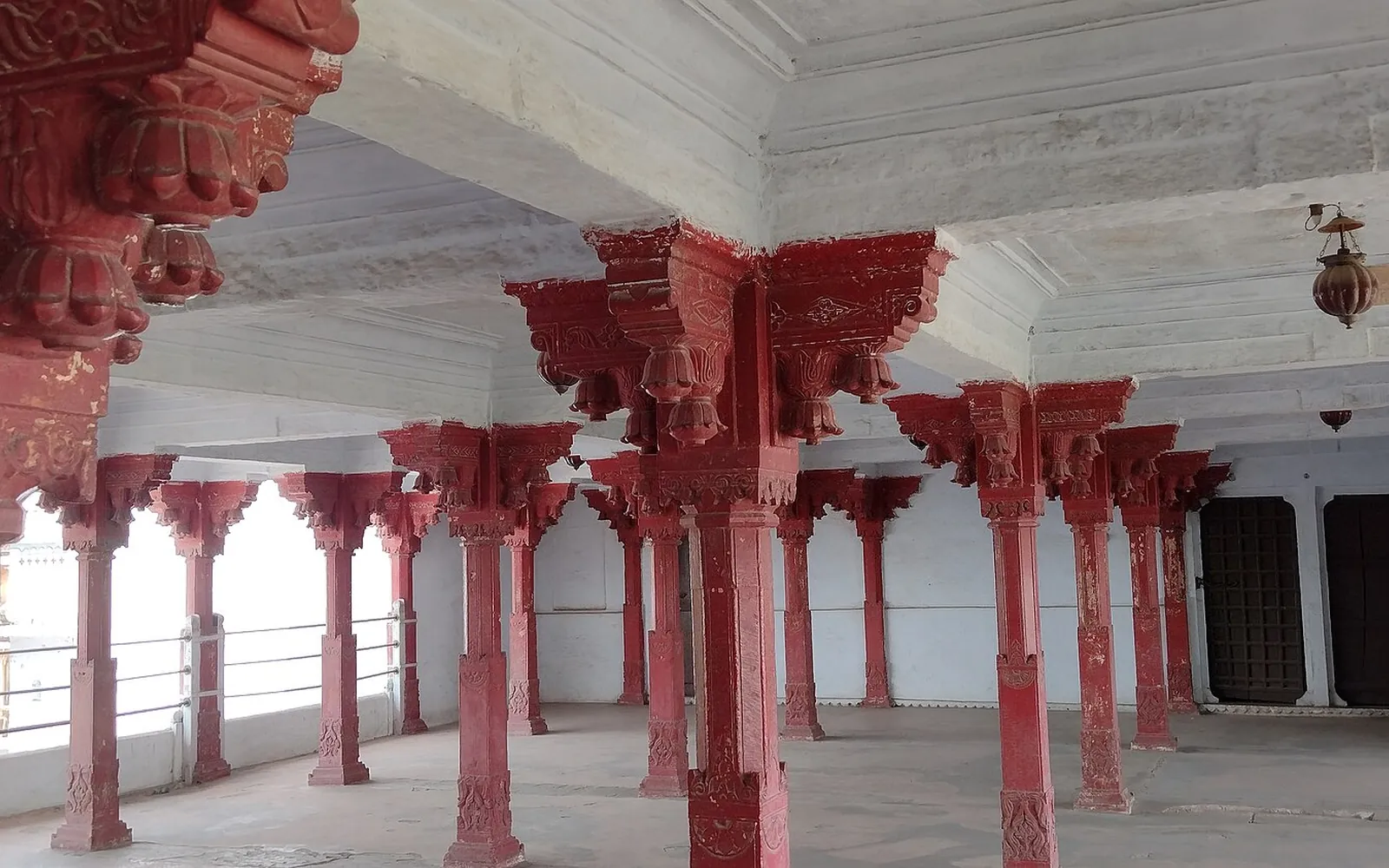
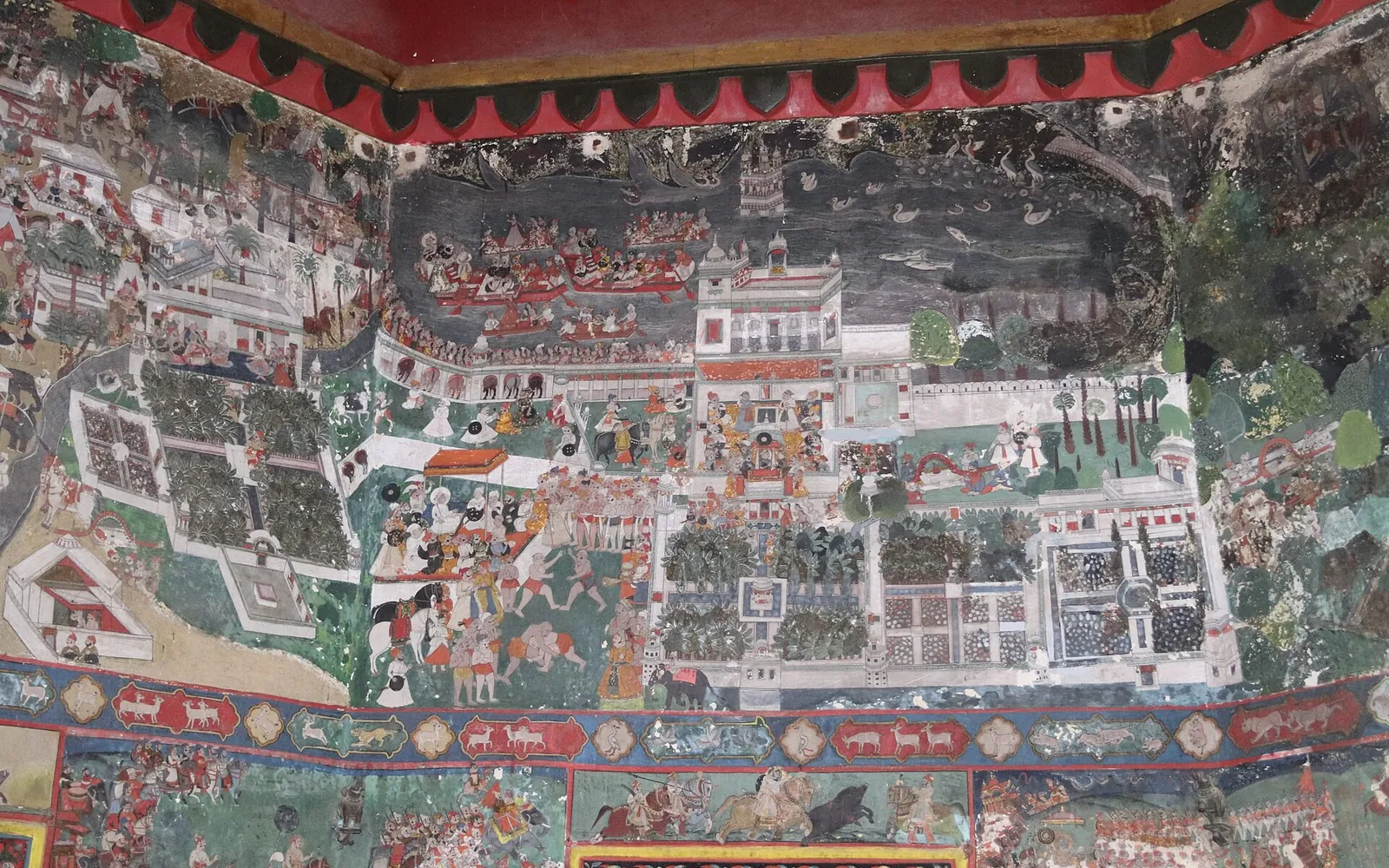
The ruler of the new state, Bhawani Singh (1899-1929), descended from Zalim Singh I, is the best remembered of the line. He invested in schools, public works and the arts. Rajasthan Tourism credits him with the Jhalawar Government Museum, established in 1915 and one of the oldest in Rajasthan, and the Bhawani Natyashala, a theatre built in 1921 where plays from Kalidasa to Shakespeare were staged. Both stand in the Garh complex and can be visited today; see also our museums in Kota guide for the collections nearer the city.
Why Jhalawar’s story is unusual
Most Rajput states in Rajasthan trace their ruling houses back many centuries in the same territory. Jhalawar is different in three ways. Its ruling family came from Gujarat and rose through service rather than conquest. Its state was created by a British decision in 1838, not by a Mughal grant or a battle. And it was dismantled and re-formed only sixty years later, so the Jhalawar of 1899 was much smaller than the Jhalawar of 1838. When you read older books or gazetteers, check which version of the state they mean.
Merger and today
On 25 March 1948 Jhalawar joined Kota, Bundi and other south-eastern states in the Rajasthan Union, the first stage of modern Rajasthan. Today Jhalawar is a district of Kota division, known for its rainfall, orange orchards and temples. The old Jhalrapatan town and the Chandrabhaga fair each November are its liveliest links with the past.
Visiting Jhalawar’s history
- Garh Palace, museum and Bhawani Natyashala in the town centre.
- Jhalrapatan, about 6 km away: Sun Temple and Chandrabhaga temples.
- Gagron Fort, a few kilometres from town on the rivers.
- Buddhist caves at Kolvi, further afield.
Our Jhalawar tourist places guide gives a one-day route from Kota, and the history of Kota fills in the background of the Kota-Jhala relationship.
Frequently asked questions
Who founded Jhalawar?
The town was founded as a cantonment called Chhaoni Umedpura by Zalim Singh Jhala, the regent (diwan) of Kota. The state of Jhalawar was created in 1838 for his grandson Madan Singh.
Why was Jhalawar separated from Kota?
Zalim Singh and his heirs held real power in Kota while the Maharaos reigned in name. After years of conflict, the British resolved it in 1838 by giving the Jhala family their own state, made from districts worth about a third of Kota's income.
What was Jhalawar called before?
The cantonment was called Chhaoni Umedpura. Rajasthan Tourism also notes that Jhalawar was once called Brijnagar.
Who was the last ruler of Jhalawar?
Maharaj Rana Harish Chandra Singh, who succeeded in 1943. Jhalawar joined the Rajasthan Union on 25 March 1948.
How far is Jhalawar from Kota?
About 85 km by road to the south-east, a comfortable day trip.
Sources
Editorial team
The KotaRajasthan.net team writes about the places, history and festivals of Kota and Hadoti, and corrects pages when readers point out changes.