Hadoti day trips
Sitabari, Baran: Temples, Kunds and the Sitabari Mela
Written by Kota Rajasthan Editorial Team · Updated
Sitabari, in the Baran district, is one of the most venerated pilgrimage spots in the Hadoti region. Set in a peaceful wooded area, it is traditionally associated with Sita, wife of Rama, who is believed to have lived here in exile at the ashram of the sage Valmiki, and where her twin sons Luv and Kush are said to have been born.
The site is dotted with temples and a series of sacred kunds, or water tanks, each linked to a figure from the Ramayana, such as the Sita Kund, Luv-Kush Kund and Valmiki Kund. Pilgrims come to bathe in these holy waters, and a large annual fair on Jyeshtha Amavasya draws huge crowds, particularly from the Sahariya tribal community.
Green, sacred and steeped in myth, Sitabari is a moving stop for pilgrims and a fascinating one for other travellers, making it a rewarding addition to any Hadoti tourism day trip from Kota.
History of Sitabari
Sitabari’s sanctity rests on its deep association with the Ramayana and the belief that it was here, at Valmiki’s ashram, that Sita found refuge and gave birth to Luv and Kush. The temples and kunds have been objects of pilgrimage for many generations.
The site is especially important to the Sahariya tribe of the region, and its annual fair is one of the largest tribal gatherings in the area, blending faith, trade and community.
The Sitabari mela
Rajasthan Tourism describes Sitabari as about 45 km from Baran, near the town of Kelwara. A big tribal fair is held here on Jyeshtha Amavasya, the new moon of Jyeshtha (usually May or June). Lakhs of people come, and the fair is called the Kumbh of the Sahariyas. Pilgrims take a holy dip in the kunds, attributed to Sita, Lakshman, Surya, Luv, Kush and Valmiki. It is also an animal fair, with trading in good breeds of cows and buffaloes. Our festivals in Kota and Hadoti calendar lists it alongside the region’s other fairs.
Who are the Sahariyas?
The Sahariya are an Adivasi community of the Baran region and neighbouring Madhya Pradesh. Our guide to Baran tourist places notes that Baran district has a large Sahariya population. If you visit at fair time, remember that it is a religious and community event first: ask before photographing people, and buy from local stalls rather than bargaining hard.
What to see at Sitabari
- Sita Mata and Valmiki temples
- Sacred kunds (Sita, Luv-Kush, Valmiki)
- Ramayana associations
- Large annual Sitabari fair
- Peaceful forest setting
Tips for your visit
- Fair days are extremely crowded and hot; carry water, go early and keep valuables secure.
- On ordinary days Sitabari is quiet; combine it with the Sorsan bird sanctuary or Shahabad Fort only if you are staying in Baran.
- Dress modestly and remove shoes at temples and kunds.
Visiting Sitabari: practical details
| Detail | Information |
|---|---|
| Where | Hadoti Region, Baran district |
| Distance from Kota | About 90 km |
| Best time to visit | October to March; Vaishakh (Jyeshtha Amavasya) for the fair |
| Timings | Daylight hours (temple: early morning to evening) |
| Entry | Free |
| Getting there | From Kota, drive about 90 km via Baran toward Kelwara; Sitabari lies a short distance further into the district. |
Distances are approximate road distances. Timings and entry charges change from season to season, so confirm them locally or with the district tourist office before you set out.
Combine Sitabari with nearby places
- Kakoni Temples: An ancient, largely ruined temple complex on the banks of the Parvan River in Baran district, rich in medieval sculpture.
- Shergarh Fort: An old fort on the banks of the Parvan River in Baran district, with layers of Hindu, Jain and Islamic history.
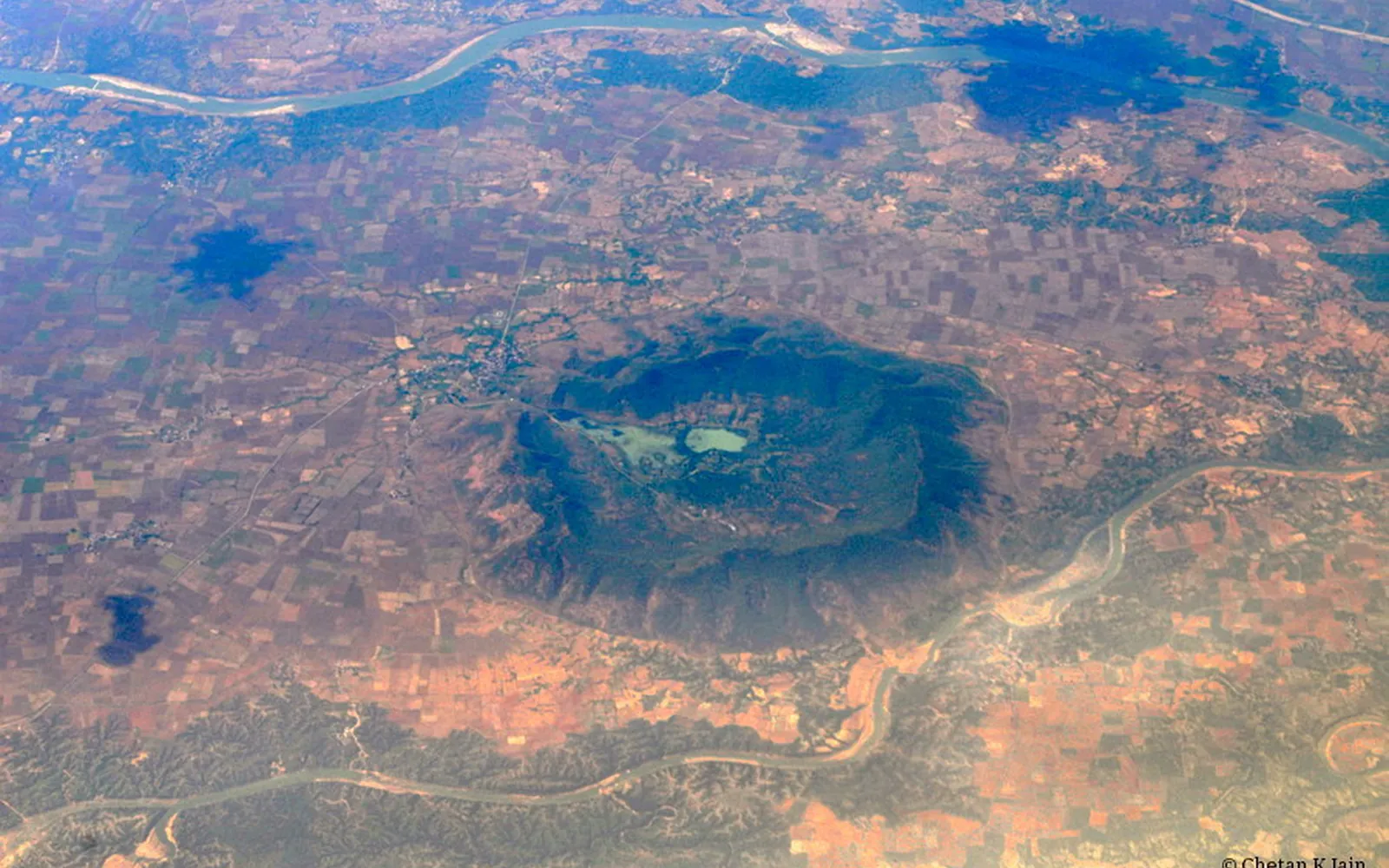
- Ramgarh Crater & Bhand Devra Temple: An ancient carved Shiva temple set within the Ramgarh meteorite crater in Baran district, nicknamed the Khajuraho of Hadoti for its sculptures.
Frequently asked questions
How do I get to Sitabari from Kota?
From Kota, drive about 90 km via Baran toward Kelwara; Sitabari lies a short distance further into the district.
When is the best time to visit Sitabari?
October to March; Vaishakh (Jyeshtha Amavasya) for the fair.
What are the timings and entry charges for Sitabari?
Timings: Daylight hours (temple: early morning to evening). Entry: Free. Both change, so check locally before you go.
What is Sitabari known for?
Ramayana pilgrimage site with sacred kunds and a tribal fair.
When is the Sitabari mela?
On Jyeshtha Amavasya, the new moon of the month of Jyeshtha, which usually falls in May or June. Rajasthan Tourism says lakhs of people attend; check the year's date in a panchang or with the Baran district administration.
Why is Sitabari called the Kumbh of the Sahariyas?
Because of the Sahariya tribe's long association with the place and the huge numbers who gather for the fair, according to Rajasthan Tourism. It is also an animal fair where cows and buffaloes are traded.
Sources
Editorial team
The KotaRajasthan.net team writes about the places, history and festivals of Kota and Hadoti, and corrects pages when readers point out changes.