Hadoti day trips
Kota to Chittorgarh Road Trip via Bijolia and Menal
Written by Kota Rajasthan Editorial Team · Updated
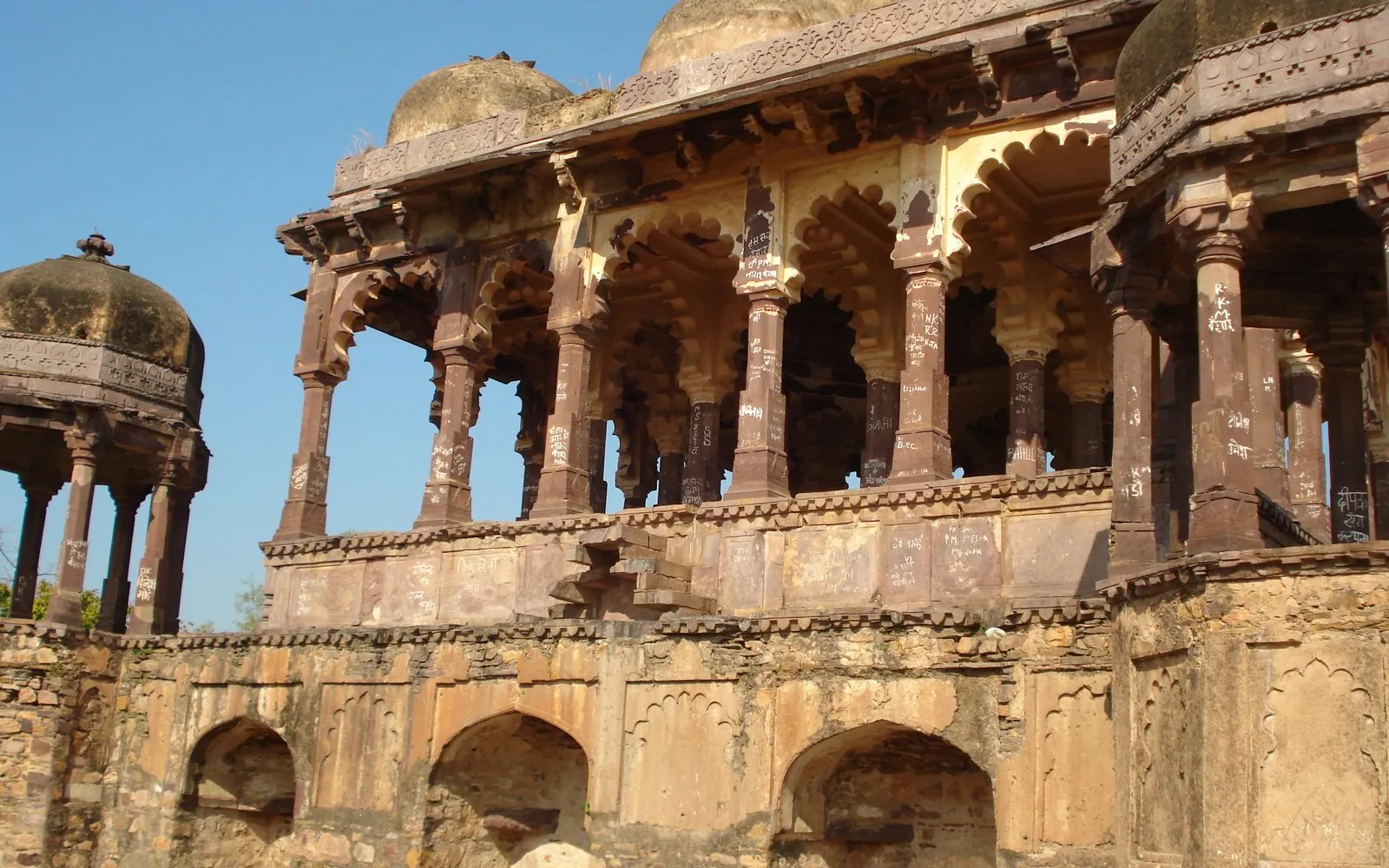
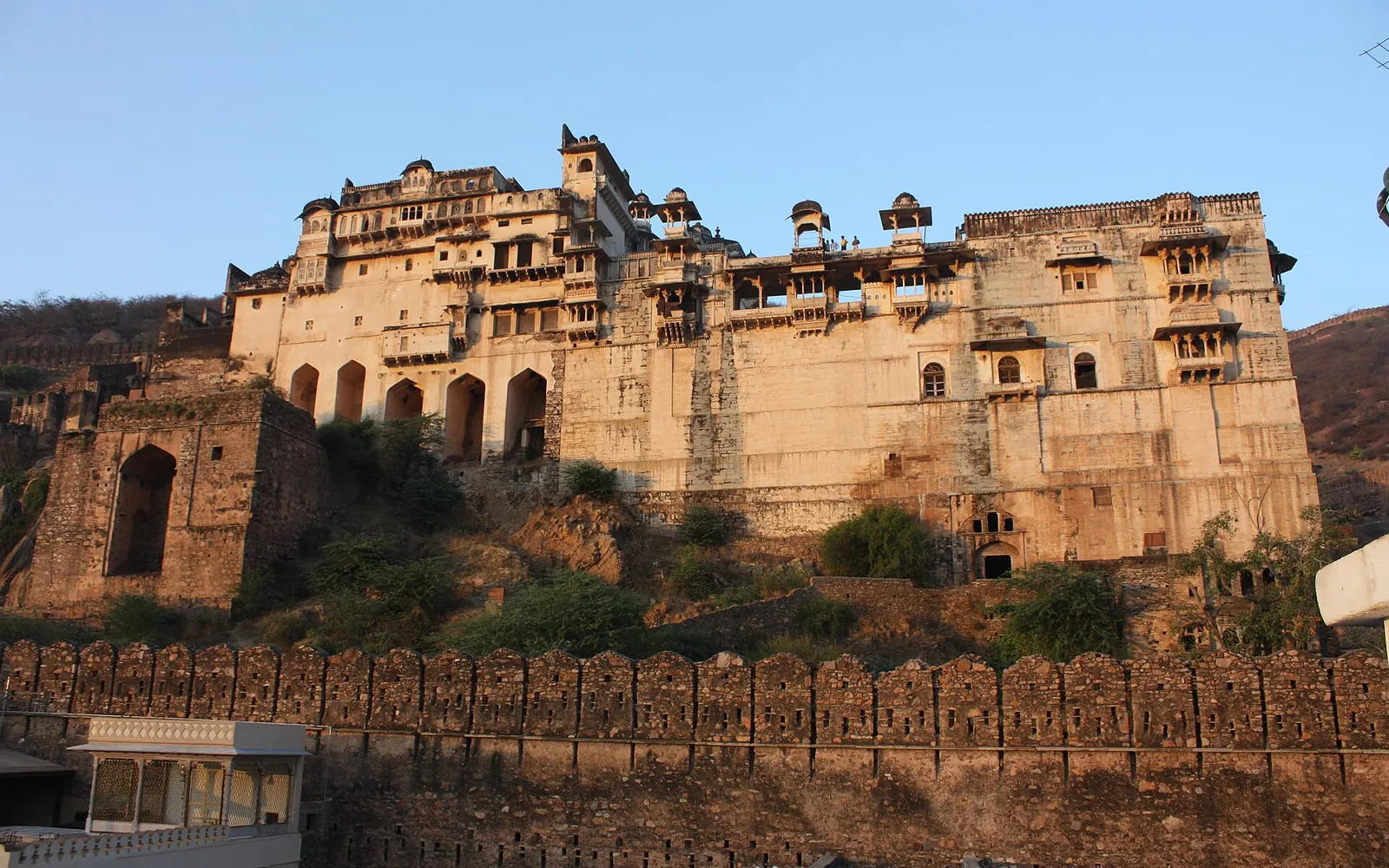
A Kota to Chittorgarh road trip is one of the best heritage drives you can make from Hadoti. In a single day you climb from the Chambal valley onto the Uparmal plateau, stop at two of the finest medieval temple sites in southern Rajasthan, Bijolia and Menal, and finish at Chittorgarh, the great hill fort of Mewar and a UNESCO World Heritage Site. The distance is modest, roughly 160 km, but there is so much to see on the way that the drive is worth planning properly. This guide gives you the route, the stops, what to see in the fort and how to pace the day.
The route at a glance
| Stage | Approximate distance | What to see |
|---|---|---|
| Kota to Bijolia | About 70 km | Shiva temples, Mandakini kund, Jain temples, 1170 CE inscription |
| Bijolia to Menal | A short drive further west | Medieval temples, gorge and seasonal waterfall |
| Menal to Chittorgarh | The rest of the way, roughly 100 km from Bijolia in all | Chittorgarh Fort and town |
| Total | Roughly 160 km | Allow a full day with stops |
Distances are approximate. The main road is NH 27, which links Kota and Chittorgarh; check a live map before you set off for the exact distance, toll points and any road works.
Leaving Kota
Leave early. The first part of the drive crosses farmland west of Kota and the edge of Bundi district before the road rises onto the Uparmal, a rocky tableland that separates Hadoti from Mewar. If you have time on the way out, the Bhimlat waterfall near Bundi is a short detour, especially worthwhile after the monsoon.
Stop 1: Bijolia
Bijolia is a small walled town just across the district boundary in Bhilwara, about 70 km from Kota. It is easy to drive straight through, which would be a mistake. Its temple group includes the Hajaresvara (Sahastralinga) Mahadeva temple, with its central lingam surrounded by hundreds of small lingas, the Mahakal group protected by the Archaeological Survey of India, and the sacred Mandakini kund.
The real treasure is historical. The Bijolia rock inscription, dated 1170 CE, was issued in the reign of the Chauhan king Someshvara and is one of the key sources for the history of the Chauhan dynasty. Bijolia is also remembered for the Bijolia peasant movement, led from 1916 by Vijay Singh Pathik. Allow about an hour.
Stop 2: Menal
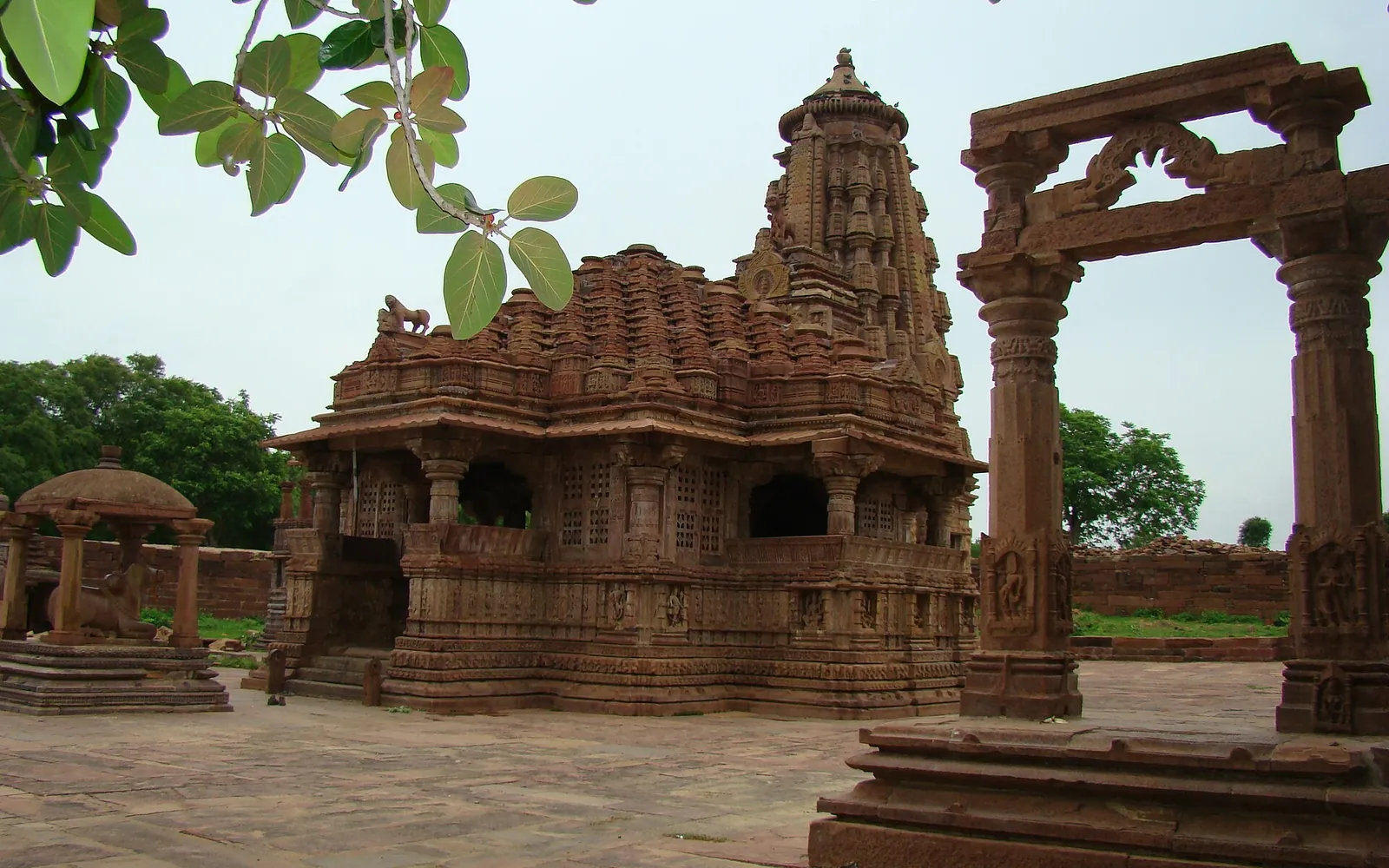
A little further on, Menal combines a group of medieval Shiva temples with a deep, rocky gorge. From July to October the stream pours over the cliff in a powerful waterfall; in the dry months the gorge is quiet and the temples are the attraction. Look for the carved shikharas and the fine sculpture on the main temple. Be careful near the gorge edge, which is unfenced in places and slippery when wet. Allow 45 minutes to an hour.
Chittorgarh Fort
Rajasthan Tourism describes Chittorgarh Fort as standing on a hill about 180 metres high and covering some 700 acres. In 2013 it was inscribed by UNESCO as one of the six Hill Forts of Rajasthan, alongside Gagron in Jhalawar, Ranthambore, Kumbhalgarh, Jaisalmer and Amber. That shared listing makes this trip a natural partner to a visit to Gagron from Kota.
The fort’s history is long and turbulent. It was besieged by Alauddin Khalji in 1303, by Bahadur Shah of Gujarat in the 1530s and by Akbar in 1568, and it is associated with the jauhar tradition and the story of Rani Padmini, though most modern historians treat the Padmini legend as later literature rather than documented history.
What to see:
- The gates (pols). The road climbs through a series of gates; the main one is Ram Pol.
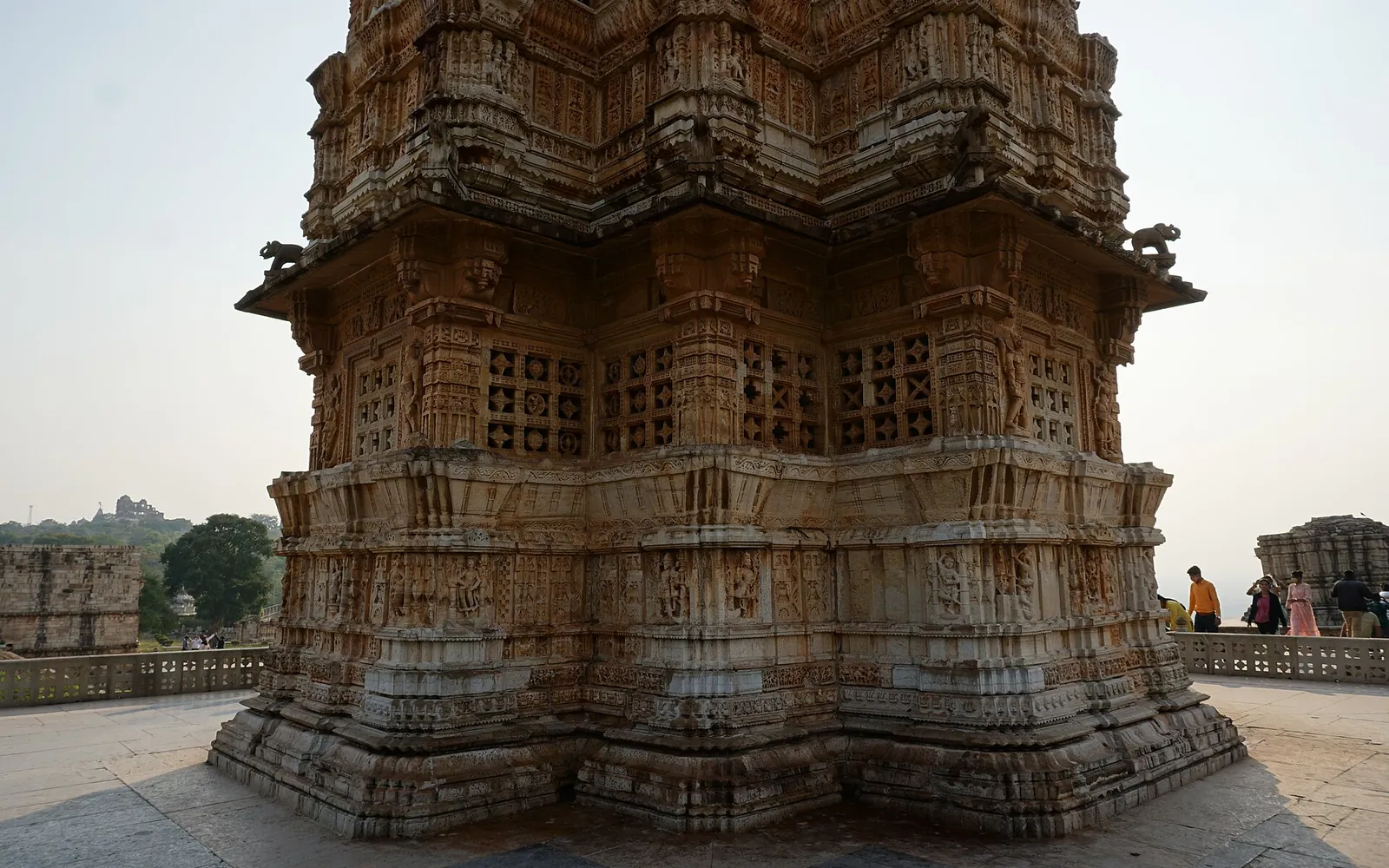
- Vijay Stambh. The nine-storey tower of victory, built for Maharana Kumbha in the 15th century to mark victories over the sultans of Malwa and Gujarat, covered with sculpture of Hindu deities. Sources differ on the exact building dates, which fall between the 1440s and the 1460s.
- Kirti Stambh. An older, smaller seven-storey tower dedicated to Adinath, the first Jain Tirthankara, built by a Jain merchant, probably in the 12th century.
- Rana Kumbha palace. The ruined palace near the Vijay Stambh, one of the largest monuments in the fort.
- Meera temple. Associated with the saint-poet Meerabai, devotee of Krishna.
- Gaumukh reservoir. A spring-fed tank where water flows from a carved cow’s mouth, once the fort’s lifeline during sieges.
- Padmini’s palace. A pavilion beside a pool; the present building is a much later reconstruction.
The fort is large. The circuit road is best done by car or auto-rickshaw, stopping at each monument. Check current timings and ticket arrangements at the entrance, as they are set by the Archaeological Survey of India and can change.
Day trip or overnight?
You can do the whole route as a long day trip from Kota: leave at 6 or 7 am, keep Bijolia and Menal to an hour each, reach the fort by early afternoon and drive back in the evening. It works, but it is tiring and you will see Chittorgarh in the harshest light. An overnight in Chittorgarh is better. You can see the fort in the late afternoon, return at sunrise when it is quiet, and on the way back to Kota detour to the Chambal country around Bhainsrorgarh, Rana Pratap Sagar and the Baroli temples.
When to go
October to March is the best season, with clear skies and comfortable temperatures. The monsoon months make Menal spectacular, but rain can slow the drive and make the fort’s paths slippery. Summer afternoons are very hot on the exposed fort plateau. See our best time to visit Kota for month-by-month conditions.
Practical tips
- Fuel and food: fill up in Kota and carry water and snacks; dhabas line the highway, but choice is limited between towns.
- Dress for temples: shoulders and knees covered, and shoes off inside shrines.
- Footwear: the fort and Menal involve uneven stone paths and steps.
- By train instead: Kota and Chittorgarh are connected by rail, which suits travellers who only want the fort. Check the timetable on the Indian Railways enquiry site; see also how to reach Kota.
- Longer trips: our 10-day Hadoti itinerary and hidden gems around Kota suggest more stops in this direction.
Frequently asked questions
How far is Chittorgarh from Kota by road?
Roughly 160 km by the main highway (NH 27). Bijolia is about 70 km from Kota, and route planners put Bijolia to Chittorgarh at about 100 km. Check a live map for the exact distance and current road works.
Can I do Kota to Chittorgarh as a day trip?
Yes, if you leave early and keep the stops short, but it is a long day of about seven to eight hours of driving and sightseeing combined. An overnight in Chittorgarh lets you see the fort in the late afternoon and early morning.
What is there to see between Kota and Chittorgarh?
The Bijolia temples and 1170 CE inscription, the Menal temples and gorge waterfall, and, with a detour, the Chambal country around Bhainsrorgarh and the Baroli temples.
Is there a train from Kota to Chittorgarh?
Yes, Kota and Chittorgarh are linked by rail. Check the current timetable on the Indian Railways enquiry site. The train is convenient for Chittorgarh itself but misses Bijolia and Menal.
Sources
Editorial team
The KotaRajasthan.net team writes about the places, history and festivals of Kota and Hadoti, and corrects pages when readers point out changes.