Temples and worship
Temples of Kota: A Spiritual Travel Guide to Kansua, Mathuradheesh and Godavari Dham
Written by Kota Rajasthan Editorial Team · Updated
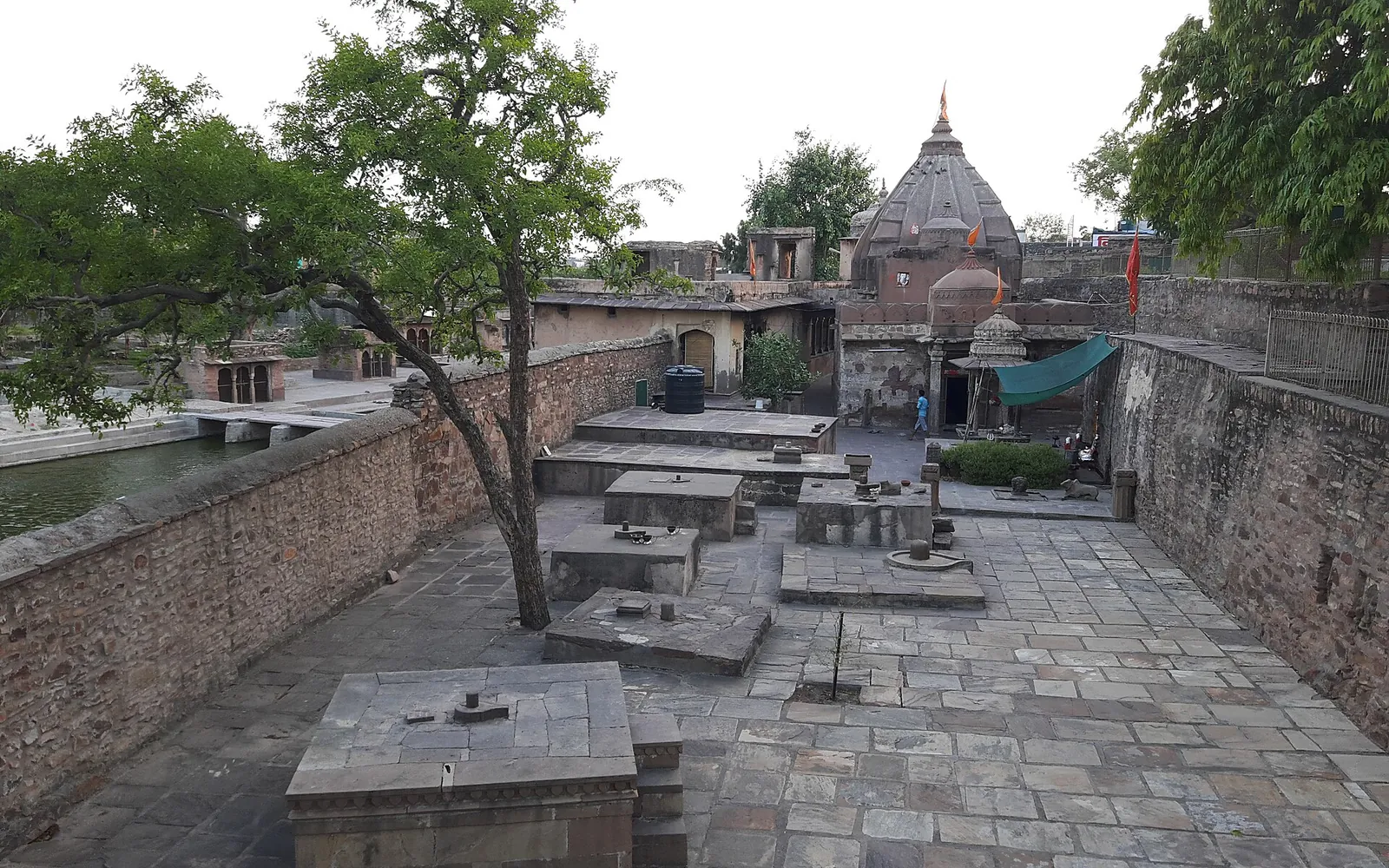
Beneath Kota’s reputation as an industrial and education city runs a deep current of devotion. The old city and its surroundings are dotted with temples, some ancient, some beloved neighbourhood shrines, that give the city its spiritual rhythm. This guide walks you through the temples every visitor and pilgrim should know.
Kansua Temple: the ancient heart
The Kansua (Kansuan) Temple is among the oldest and most historically significant in Kota. Dedicated to Lord Shiva, its great treasure is a rare four-faced Shivling (chaturmukhi), a form that draws pilgrims and history-lovers alike. The temple stands in the Kansua area and carries an atmosphere of genuine antiquity; inscriptions and old stonework hint at its long past. For anyone interested in the deeper roots of the region, Kansua is essential.
Rajasthan Tourism records a stone inscription at Kansua dated 738 AD, which says the temple was built by Raja Shivagana Maurya; local legend prefers to credit the Pandavas. The temple has a small pond in its premises and is one of three ASI-protected monuments in Kota district. See our full Kansua temple guide.
Mathuradheesh Temple: the Vaishnavite centre
The Mathuradheesh Temple is one of the most important Vaishnavite shrines in Kota, dedicated to Lord Krishna in his Mathuradheesh form. Belonging to the Pushtimarg tradition, it is a focus of daily worship and festival celebration in the old city. During Janmashtami and other Krishna festivals the temple comes alive with darshan, music and crowds of devotees. According to Rajasthan Tourism, the image of Krishna was brought from Karnaval village near Mathura and placed in the haveli of Dewan Dwarka Das, which became the temple. Its central location makes it easy to include in an old-city walk; see Mathuradheesh temple and our Kota heritage walk.
Godavari Dham: Hanuman on the Chambal
Godavari Dham is a riverside temple complex dedicated to Hanuman, one of the busiest places of worship in Kota. Tuesdays and Saturdays, the days traditionally associated with Hanuman, bring the largest crowds, and the setting near the Chambal makes it a pleasant stop in the evening.
Khade Ganesh Ji: the standing Ganesha
Khade Ganesh Ji is famous for its idol of Ganesha in a standing (khade) posture, a rare form, which gives the temple its name. Devotees come to seek blessings before new beginnings, and Wednesdays and Ganesh Chaturthi see especially large gatherings.
More temples worth visiting
- Karni Mata Temple, a hilltop shrine offering both devotion and fine views over the city.
- Digambar Jain temples and the Nasiyan Jain temple in the city; for the older Jain sites of the region, see Jain temples in Hadoti.
- Radha Krishna and neighbourhood mandirs, scattered through the old city, part of daily life.
- Baroli temples (near Rawatbhata), for lovers of ancient temple architecture, a short journey away, these are unmissable.
The river and the sacred landscape
Kota’s spirituality is inseparable from the Chambal. In Hindu tradition rivers are themselves sacred, and the Chambal’s ghats have long been places of prayer, ritual bathing and cremation. Many of the city’s temples sit near water, and festivals often draw devotees to the riverbanks. This connection between the flowing river and the temples along it gives Kota’s spiritual life a particular character, one rooted as much in landscape as in architecture.
The wider Hadoti region deepens this further, and our guide to Hadoti temple architecture explains how to read its oldest temples. Ancient temple sites like Baroli near Rawatbhata, and the shrines within the Gagron and Mukundara landscapes, extend Kota’s sacred geography into the hills and forests. For the devout and the curious alike, temple travel here can become a journey through both faith and the natural world.
Festivals at Kota’s temples
To see the temples at their most vibrant, time your visit to a festival. Janmashtami transforms the Krishna temples, especially Mathuradheesh, with elaborate decoration, devotional singing and midnight celebrations of Krishna’s birth. Maha Shivratri brings crowds to the Shiva shrines like Kansua, with night-long worship and offerings. Ganesh Chaturthi lights up Godavari Dham and other Ganesha temples. During these occasions the temples overflow with colour, music, flowers and devotion, offering a window into living tradition that a quiet weekday visit cannot match, though it comes with larger crowds and longer queues.
Tips for temple visits
- Dress modestly; cover shoulders and knees, and be ready to remove footwear before entering.
- Mornings and evenings, around aarti times, are the most atmospheric.
- Photography may be restricted inside sanctums, so ask before you shoot.
- Festivals bring crowds and colour but also long queues, plan accordingly.
- Maintain quiet and respect the rituals; these are living places of worship, not just monuments.
A suggested temple route
To make the most of a day, plan a gentle circuit. Begin early at the ancient Kansua temple, when the morning light and cooler air suit its timeless atmosphere. Move on to Mathuradheesh in the old city, timing your visit to catch a darshan and the devotional bustle at its heart. Include Godavari Dham by the Chambal for Hanuman, and the standing Ganesha of Khade Ganesh Ji for its distinctive idol, ideally on a Wednesday when devotees gather. If you have the appetite for it, weave in a neighbourhood Jain temple or the hilltop Karni Mata shrine for its views. Between temples, wander the old city’s lanes on foot, pausing for a kachori or a cup of chai; the everyday street life around the temples is part of the experience.
The spiritual side of Kota
Temple-hopping in Kota is a wonderful way to slow down and see the city as its residents do. From the ancient stillness of Kansua to the devotional bustle of Mathuradheesh and the affection surrounding Khade Ganesh Ji, these shrines reveal a Kota that is older, quieter and more soulful than its coaching-city fame suggests. Set aside a morning, walk the old city, and let the temples tell their story.
Frequently asked questions
Which is the oldest temple in Kota?
The Kansua temple, dedicated to Shiva. Rajasthan Tourism notes a stone inscription there dated 738 AD, which says it was built by Raja Shivagana Maurya.
What is Godavari Dham famous for?
Godavari Dham is a riverside temple complex dedicated to Hanuman, busiest on Tuesdays and Saturdays. The standing Ganesha is at a different temple, Khade Ganesh Ji.
What is the Mathuradheesh Temple?
It is an important Vaishnavite temple in Kota's old city dedicated to Lord Krishna in his Mathuradheesh form, belonging to the Pushtimarg tradition.
What should I wear when visiting Kota's temples?
Dress modestly with shoulders and knees covered, and be prepared to remove your footwear before entering the temple premises.
Sources
Editorial team
The KotaRajasthan.net team writes about the places, history and festivals of Kota and Hadoti, and corrects pages when readers point out changes.
