Hadoti day trips
Chandkheri Jain Temple: Adinath Tirth, History and Visit
Written by Kota Rajasthan Editorial Team · Updated
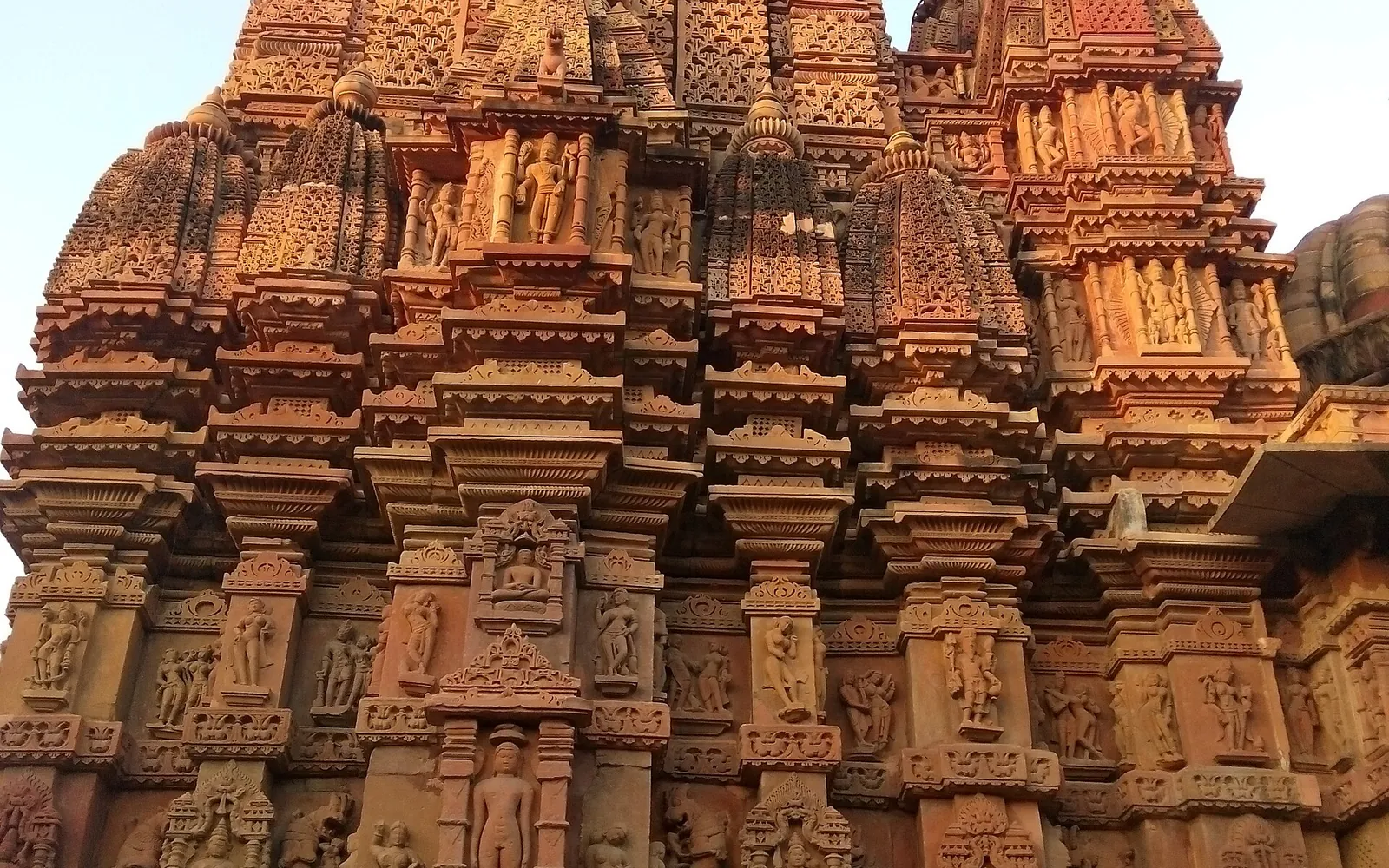
Chandkheri (also spelled Chandkhedi), near Khanpur in Jhalawar district, is home to one of the most revered Jain temples in Rajasthan, dedicated to Bhagwan Adinath (Rishabhdev), the first Tirthankara. Rajasthan Tourism invites visitors to “take a leap into the 17th-century’s architectural splendour and religious sanctity” here, and the temple draws Digambar Jain pilgrims from across India. For other travellers it is a calm, well-kept complex in the green countryside of southern Hadoti, and a good introduction to Jain worship.
History of Chandkheri Jain Temple
Rajasthan Tourism dates the temple to the 17th century, the period in which Kota and Bundi were consolidating as separate Hada states.
The temple is regarded by the Jain community as an atishaya kshetra, a place of miracles. Two traditions are often told. The first, set in the time of the Mughal campaigns, holds that an invader’s axe struck the toe of the Adinath image and a flow of milk drove the attackers away; some accounts connect this with Aurangzeb’s reign. The second is recent: in 2002 the Digambar monk Sudhasagar is reported to have found carved crystal images of Tirthankaras in a nearby cave. Both are matters of faith rather than documented history, and we record them as the traditions they are.
What to see at Chandkheri Jain Temple
- The main image of Adinath, about six feet tall, seated in the padmasana (lotus) posture. Rajasthan Tourism and other accounts agree on the size.
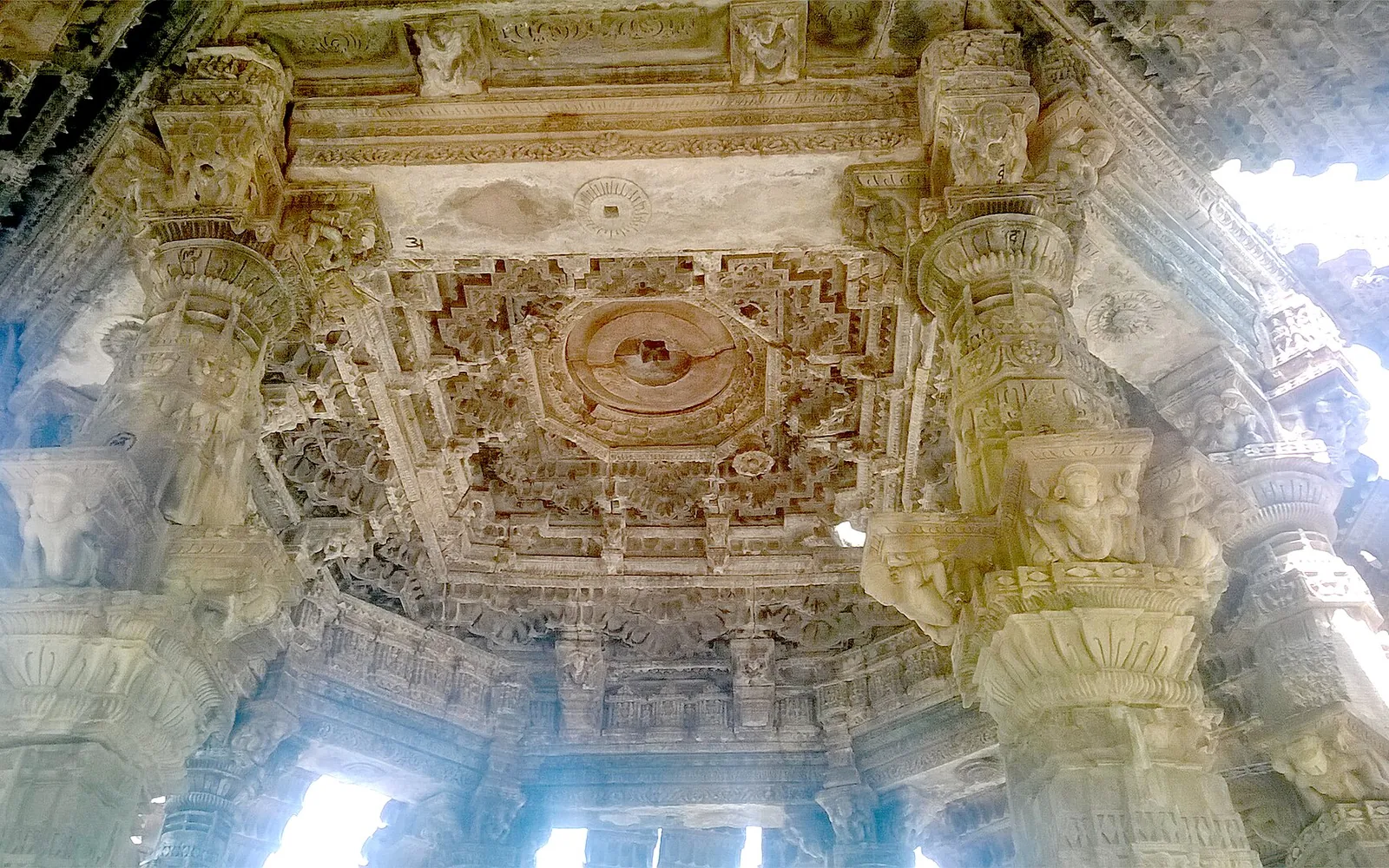
- The temple complex, with its shrines, halls and courtyards built and expanded over time by the community.
- Daily worship: the morning abhishek (ritual bathing of the image) and evening aarti are the times to see the temple at its most devotional.
- The setting: open countryside near Khanpur, a contrast to the crowded urban temples of Kota.
A short guide to Jain temple etiquette
- Remove footwear, and leave leather items such as belts and wallets outside.
- Wear modest clothing that covers shoulders and knees.
- Do not take food or drink into the temple; Jain practice also avoids eating after sunset for many observant pilgrims.
- Keep your voice low and do not touch images unless invited during a ritual.
- Ask before photographing; rules differ between shrines and may be stricter during worship.
Visiting Chandkheri Jain Temple: practical details
| Detail | Information |
|---|---|
| Where | Chandkheri, near Khanpur, Jhalawar district |
| Distance from Kota | A long day trip by road; check the current route and time on a map before setting out |
| Nearest railway station | Atru on the Kota-Guna line, about 55 km away (as usually cited) |
| Best time to visit | October to March; Jain festival days for the atmosphere |
| Timings | Follow daily worship, broadly dawn to evening |
| Entry | Free |
| Facilities | Simple meals and pilgrim accommodation in the temple area, per Rajasthan Tourism |
Distances and timings change, so confirm them locally or with the temple management before you set out.
When to go
The cool months from October to March are the most comfortable; see the best time to visit Kota. Jain festivals such as Mahavir Jayanti and the Paryushan period bring large numbers of pilgrims, so expect crowds and book accommodation early if you plan to stay.
Jain heritage in Hadoti
Chandkheri is part of a long Jain presence across the region. In Kota you can visit the Digambar Jain temple and the Shri Mahaveer Jain temple at Nasiya. In Jhalawar district, the 11th-century Shantinath temple stands beside the Sun Temple at Jhalrapatan, and Unhel has the Nageshwar Parshvanath pilgrimage centre. The Kakoni temples in Baran district include Jain shrines among their ruins. Our Jhalawar tourist places guide brings these together.
Combine Chandkheri Jain Temple with nearby places
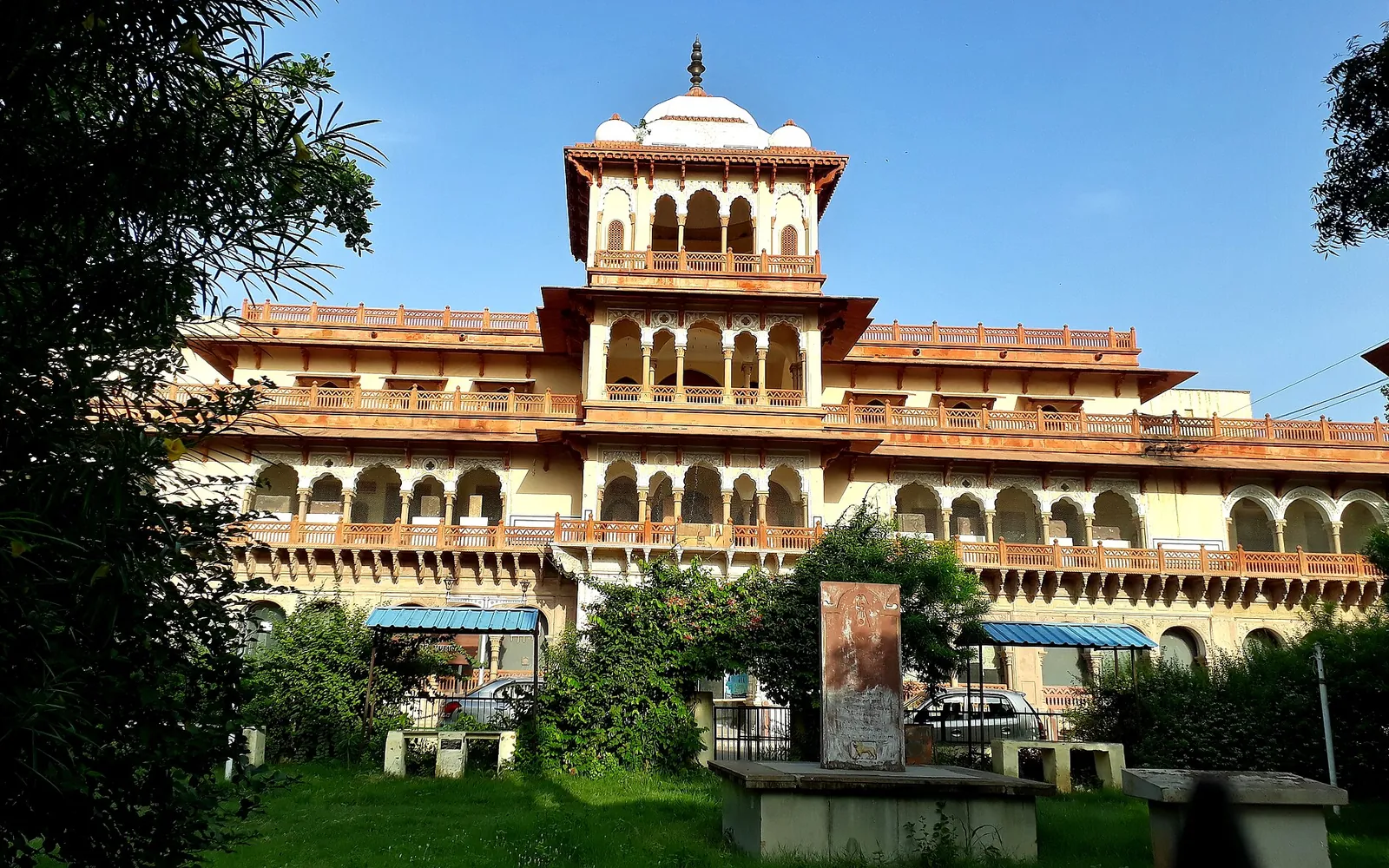
- Jhalawar Garh Palace: The 19th-century palace and museum in the centre of Jhalawar town.
- Jhalrapatan Sun Temple: The 10th-century Padmanabha temple, with the Shantinath Jain temple nearby.
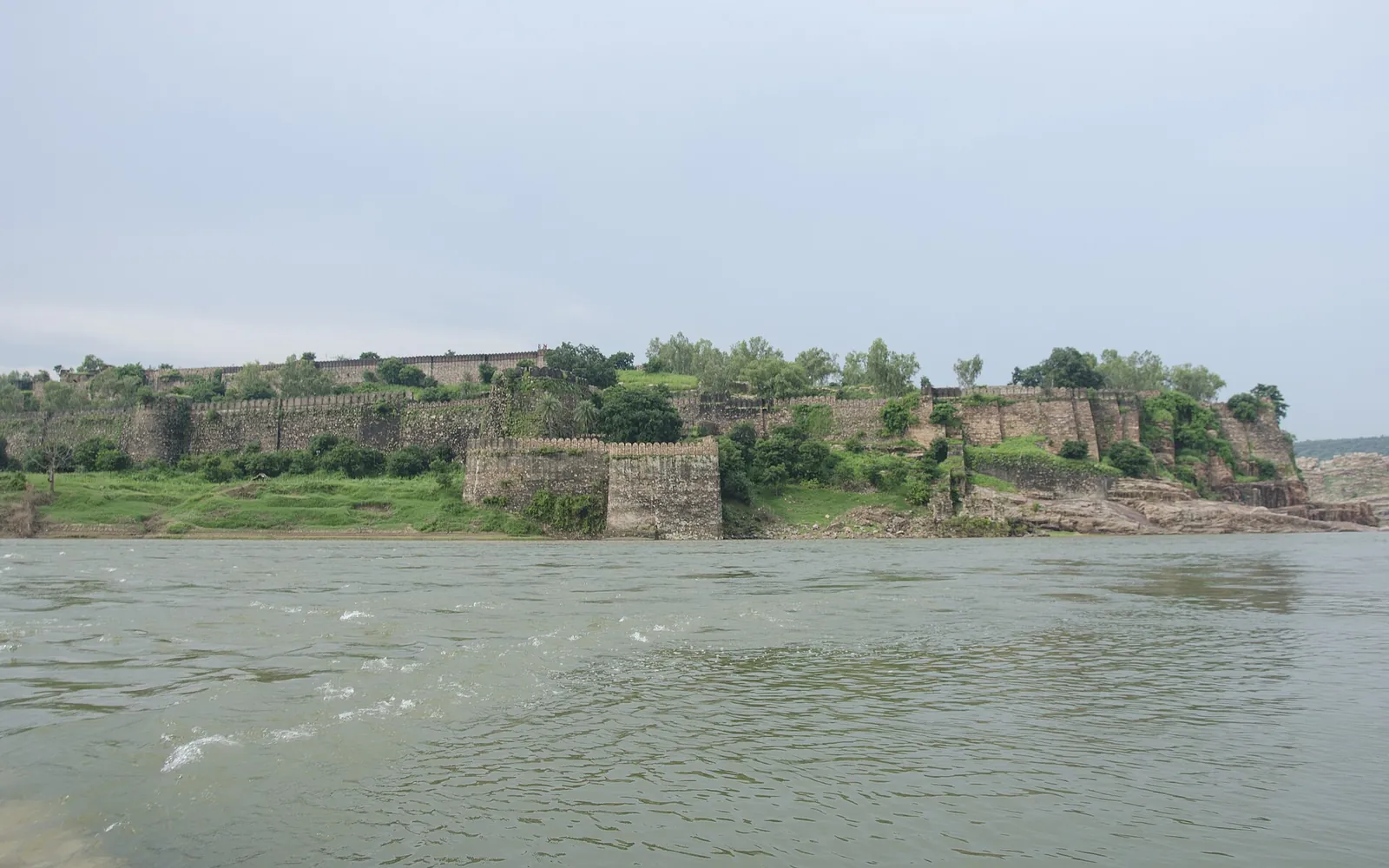
- Gagron Fort: A rare jal-durg (water fort) near Jhalawar, encircled on three sides by the Ahu and Kali Sindh rivers, inscribed as a UNESCO World Heritage Site.
- Kolvi Buddhist caves: Rock-cut caves and stupas in the south of Jhalawar district.
Frequently asked questions
Where is Chandkheri Jain temple?
At Chandkheri (also spelled Chandkhedi) near Khanpur in Jhalawar district, south-east of Kota. Atru, on the Kota-Guna railway line, is the station usually mentioned for it, about 55 km away.
Who is the main deity at Chandkheri?
Adinath, also called Rishabhdev or Rishabhanatha, the first Jain Tirthankara. The main image is about six feet tall, seated in the padmasana (lotus) posture.
Can I stay at Chandkheri?
Rajasthan Tourism notes that traditional meals and simple, reasonably priced accommodation are available within the temple area, run for pilgrims. Contact the temple management in advance for festival periods.
What should I wear to the Jain temple?
Modest clothing covering shoulders and knees. Remove footwear and leather items such as belts and wallets before entering, and do not take food inside.
Sources
Editorial team
The KotaRajasthan.net team writes about the places, history and festivals of Kota and Hadoti, and corrects pages when readers point out changes.