History and people
Rao Madho Singh: Founder of Kota State in 1631 and Legacy
Written by Kota Rajasthan Editorial Team · Updated
Rao Madho Singh is the founder of Kota as a state. A son of Rao Ratan Singh, the Hada Chauhan ruler of Bundi, he received Kota as a separate principality from the Mughal emperor, an event usually dated to 1631 under Shah Jahan. Every later chapter of Kota’s history, from the Garh Palace to the Dussehra Mela, runs back to that grant.
The Hada Chauhans before Kota
The Hadas are a branch of the Chauhan Rajputs. They took Bundi in the 13th century (1241 is the date most often given) and ruled the surrounding country, which came to be called Haravati or Hadoti after them; see our guide to the Hadoti region. For centuries Kota was part of this kingdom, a settlement and fief on the east bank of the Chambal guarding its eastern side.
In the late 16th century Bundi entered Mughal service. Rao Surjan of Bundi received the title Rao Raja from Akbar in 1569, and his successors fought as Mughal commanders. Madho Singh’s father, Rao Ratan Singh (ruled 1607-31), served the emperors as a commander, and his sons fought in Mughal campaigns.
From Bundi fief to separate state
In recognition of the family’s military service, Kota was granted to Madho Singh as a principality of its own, with its own rank at the Mughal court. The standard histories, and this site’s history of Kota, date the separation to 1631 under Shah Jahan. Some sources, including Rajasthan Tourism’s Bundi page and art-historical surveys, place the decisive step in 1624, when Jahangir is said to have taken part of Bundi’s territory and given it to Madho Singh. The difference reflects a process that took several years; by 1631 Kota was clearly a separate state.
Kota’s position mattered to the Mughals. It sat at a crossing of the Chambal on the routes between north India and the Deccan, where much of the empire’s fighting took place in the 17th century.
The first ruler of Kota
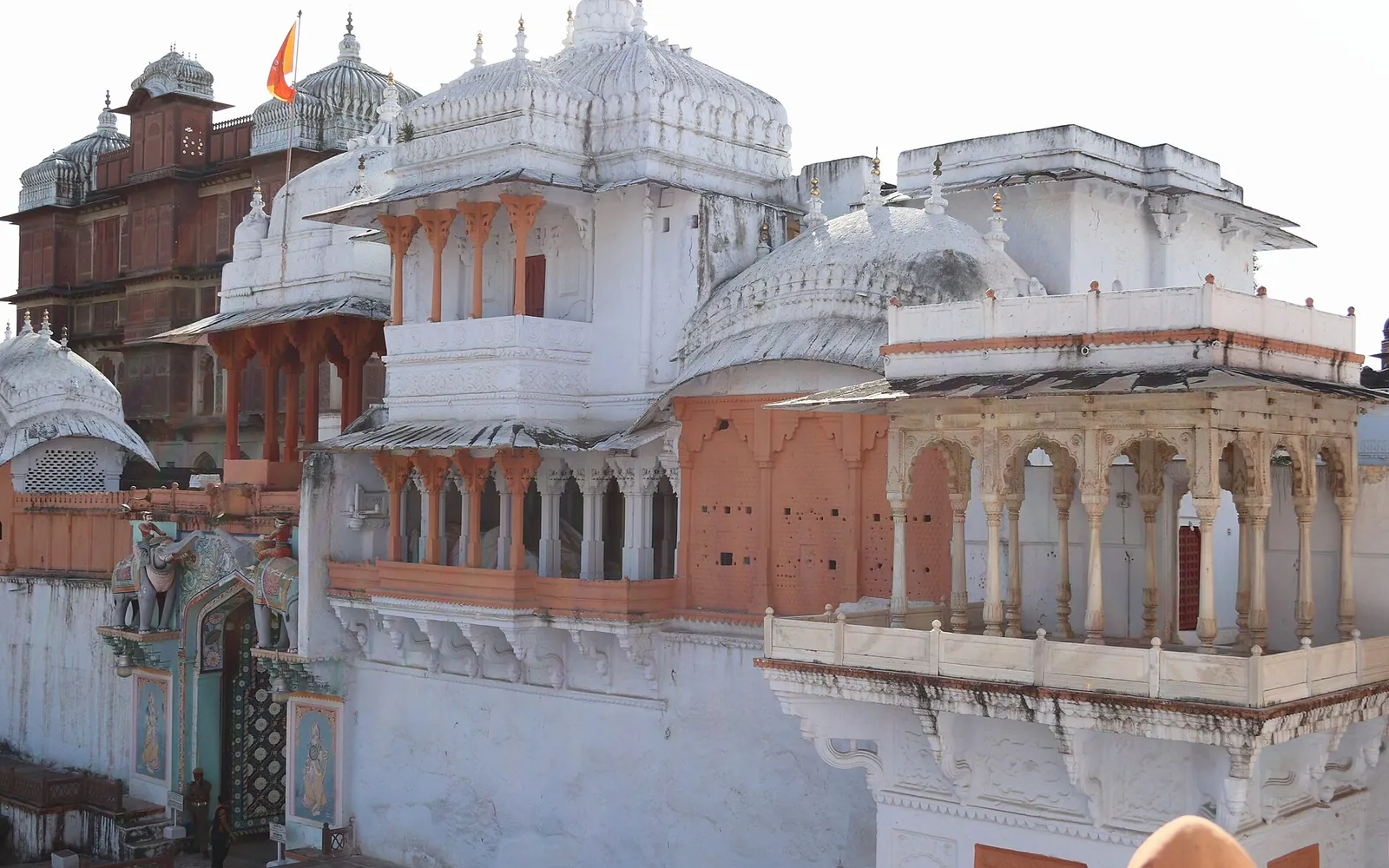
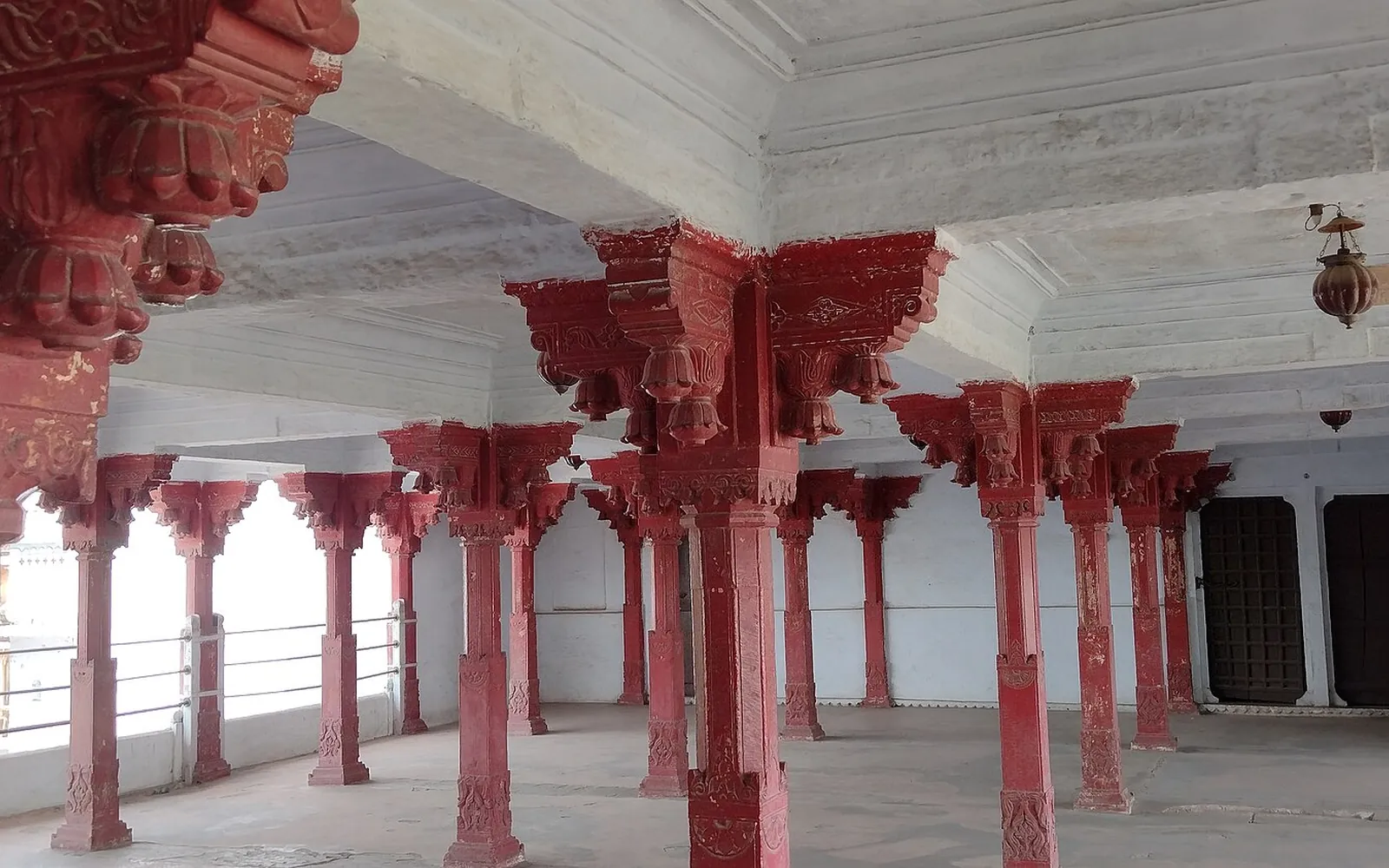
As the first ruler, Madho Singh established the institutions of the new state and its ruling line. He ruled until 1648. The settlement on the east bank of the Chambal grew into a fortified capital, and the nucleus of what became the Garh Palace took shape; the Baradari, the raised reception pavilion with its wide view over the fort, is attributed to him.
He was succeeded by his son Rao Mukund Singh (1648-58) and then by Rao Jagat Singh (1658-83). Over the next two centuries the family served the Mughals in the Deccan and elsewhere, gained rank and land, and made Kota a state that rivalled its parent, Bundi. Junior branches of the family held smaller estates such as Indergarh and Khatoli.
Art at the new court
Kota’s famous school of painting began in this period. An artist known today as the Hada Master, who specialised in elephants and hunts, moved from Bundi to the new court of Kota, and the earliest major portrait in the Kota style shows Madho Singh’s grandson, Maharao Jagat Singh, in a garden. Read more in our guide to the Kota school of painting.
Legacy
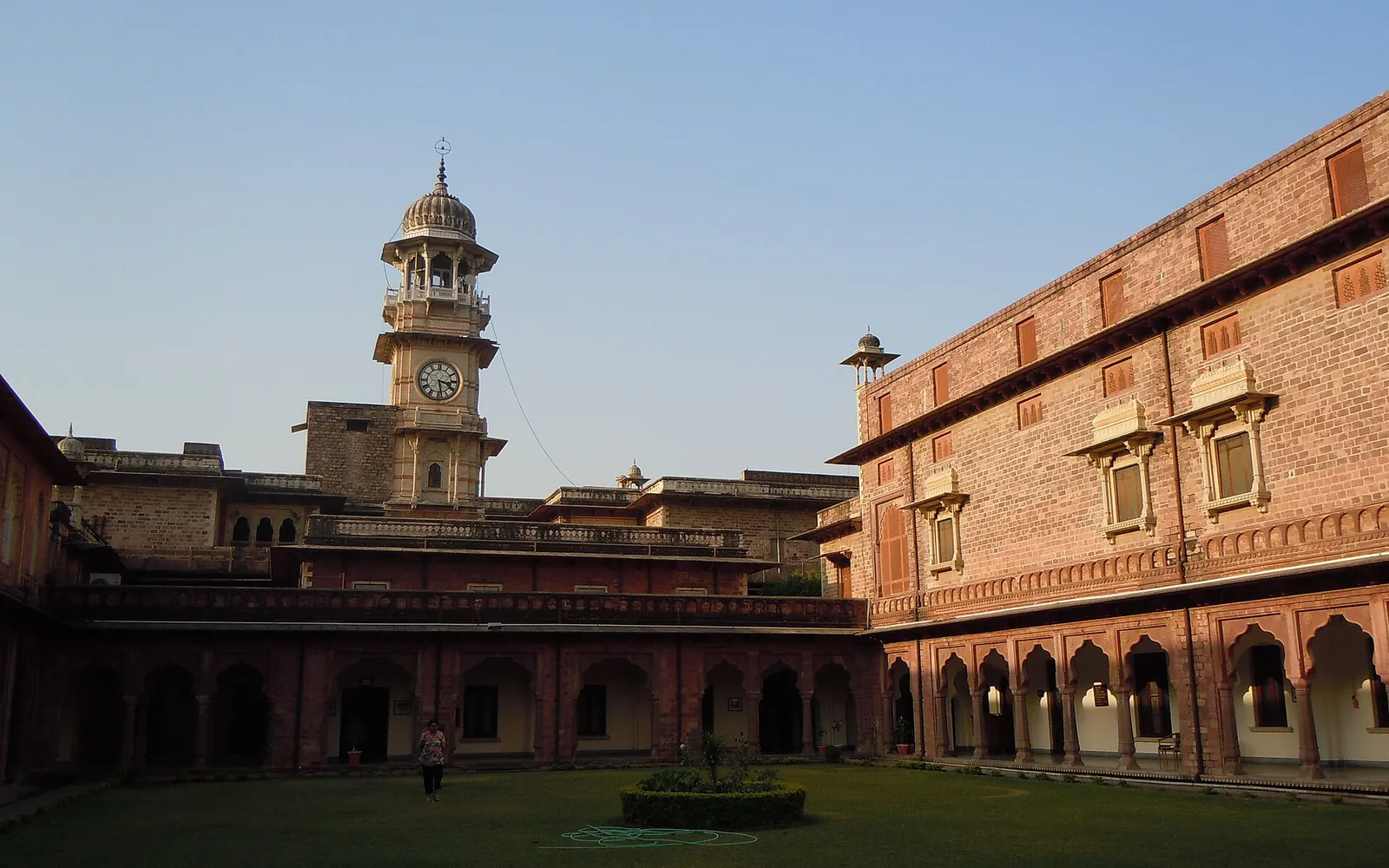
By establishing Kota as a separate state, Madho Singh gave the city its independent identity, its Hada Chauhan ruling house, and the beginnings of the fort-palace on the Chambal that is still the historic heart of the city. The palace museum, the Rao Madho Singh Museum, carries his name; see museums in Kota.
Where to see his legacy
- Garh Palace and the museum, the seat of the rulers he founded, including the Baradari.
- Kesar Bagh cenotaphs, the chhatris of Kota’s royal family.
- Bundi, the older Hada capital from which Kota was separated, with the Bundi Palace and Taragarh.
- The Kota heritage walk, which starts at the Garh.
Read the full history of Kota or meet the other people who shaped the city.
Frequently asked questions
Who founded Kota state?
Rao Madho Singh, a son of Rao Ratan Singh of Bundi, who received Kota as a separate state from the Mughal emperor. Most accounts date this to 1631 under Shah Jahan.
Why do some sources say 1624 instead of 1631?
Some art-historical and tourism sources say Jahangir took part of Bundi's territory in 1624 and gave it to Madho Singh, while the standard political histories date Kota's recognition as a separate state to Shah Jahan's grant of 1631. Both refer to the same process of separation from Bundi.
Why was Kota separated from Bundi?
As a reward for the Bundi ruling family's military service to the Mughals, Kota was granted as a principality to Ratan Singh's son Madho Singh.
Is the Kota museum named after Madho Singh?
Yes. The palace museum in the Garh Palace is the Rao Madho Singh Museum, named after the founder of the state.
Sources
Editorial team
The KotaRajasthan.net team writes about the places, history and festivals of Kota and Hadoti, and corrects pages when readers point out changes.