History and people
Battle of Dharmat 1658: Mukund Singh Hada and Kota's Losses
Written by Kota Rajasthan Editorial Team · Updated
The battle of Dharmat is the bloodiest single day in the history of Kota’s ruling family. On 15 April 1658, on a plain near Ujjain, the young state’s ruler, Rao Mukund Singh Hada, led the Rajput charge of the imperial army against the forces of the princes Aurangzeb and Murad, and was killed. Six weeks later, at Samugarh near Agra, Rao Chhatar Sal of Bundi fell fighting for Dara Shikoh. In the space of two months the two Hada houses of Hadoti lost their rulers in the same war. This guide explains the battle, the Hada role in it, and why it mattered for Kota and Bundi.
The Mughal war of succession
In September 1657 the emperor Shah Jahan fell seriously ill. Rumours that he was dead spread quickly, and his four sons moved to claim the throne. The eldest, Dara Shikoh, was at court and had his father’s favour. Shah Shuja in Bengal and Murad Bakhsh in Gujarat each declared himself emperor. Aurangzeb, in the Deccan, made a secret alliance with Murad to divide the empire between them, and in February 1658 marched north.
The Hada Rajputs of Kota and Bundi had served the Mughals for generations, and both houses owed their rank to imperial service. They fought for the reigning emperor and his heir. Our rulers of Kota and history of Bundi pages explain how both families rose in Mughal service.
The armies at Dharmat
To stop the two princes, Shah Jahan and Dara sent an imperial army into Malwa under Maharaja Jaswant Singh of Marwar, with the Mughal noble Qasim Khan. Aurangzeb crossed the Narmada and joined Murad, and on 14 April 1658 the princes camped at Dharmat, on the west bank of the Gambhira river, south-west of Ujjain.
According to the account in Wikipedia, which draws on Jadunath Sarkar’s History of Aurangzib, Jaswant’s army was about as large as the princes’ combined force but badly placed and badly led. His ground was narrow and uneven, with ditches and swamps on the flanks, and the Rajput clans in his army were divided by old feuds. Aurangzeb, by contrast, had strong artillery, some of it manned by European gunners, and experienced troops from the Deccan wars.
Mukund Singh Hada’s charge
The battle began before sunrise on 15 April 1658 with artillery and rocket fire. The leaders of the imperial vanguard, Mukund Singh Hada of Kota with Ratan Singh Rathore, Dayal Singh Jhala, Arjun Singh Gaur, Sujan Singh Sisodia and others, led a cavalry charge with the war cry “Ram Ram”, aiming to destroy Aurangzeb’s guns.
The charge broke into the enemy line and killed Aurangzeb’s chief of artillery, but it was not supported. Half of the imperial vanguard, the Mughal troops under Qasim Khan, gave no help. Aurangzeb’s troops closed behind the Rajputs and his reserves attacked from both flanks. Surrounded on three sides and cut off, the Rajputs were slaughtered. Mukund Singh was killed by an arrow through the eye, and all six chieftains who had led the charge died. Kota’s own traditions hold that several of Mukund Singh’s brothers fell with him.
Jaswant Singh fought on for hours despite his wounds before his companions persuaded him to withdraw. Ratan Singh Rathore continued to fight until he too was killed. Aurangzeb and Murad won a decisive victory and captured the imperial camp, guns and treasure.
Samugarh: Bundi’s turn (29 May 1658)
Victory at Dharmat opened the road north. On 29 May 1658 Aurangzeb and Murad met Dara himself at Samugarh, near Agra. Wikipedia’s account notes that Dara depended on his Hada Rajputs and the Saiyids of Barha, while most of his army was hastily recruited.
At the head of the Hada contingent was Rao Raja Chhatar Sal of Bundi, one of the most trusted Rajput commanders of Shah Jahan, who had been given the rare honour of the governorship of Delhi by Dara. He had refused offers and threats from Aurangzeb and stayed loyal. At Samugarh he died fighting, together with his youngest son Bharat Singh. Dara lost the battle and, in time, his life; Aurangzeb became emperor.
What the war meant for Kota and Bundi
- New rulers. Kota passed to Mukund Singh’s son, Rao Jagat Singh (1658-1683), and Bundi to Chhatar Sal’s son, Rao Bhao Singh (1658-1682). Both had to make their peace with the new emperor they had fought against.
- A reputation for loyalty. The deaths at Dharmat and Samugarh became central to the Hada self-image as warriors who kept faith with their overlord at any cost. Bards and later writers, including Colonel James Tod, retold the stories.
- A pattern repeated. In 1707, in the next succession war after Aurangzeb’s death, Kota’s Rao Ram Singh I was killed at Jajau, while Bundi’s Budh Singh fought on the winning side and was rewarded with the title Maharao Raja.
Seeing this history in Hadoti
There is no battlefield to visit in Hadoti; Dharmat lies near Ujjain in Madhya Pradesh. But the world these rulers built can be seen:
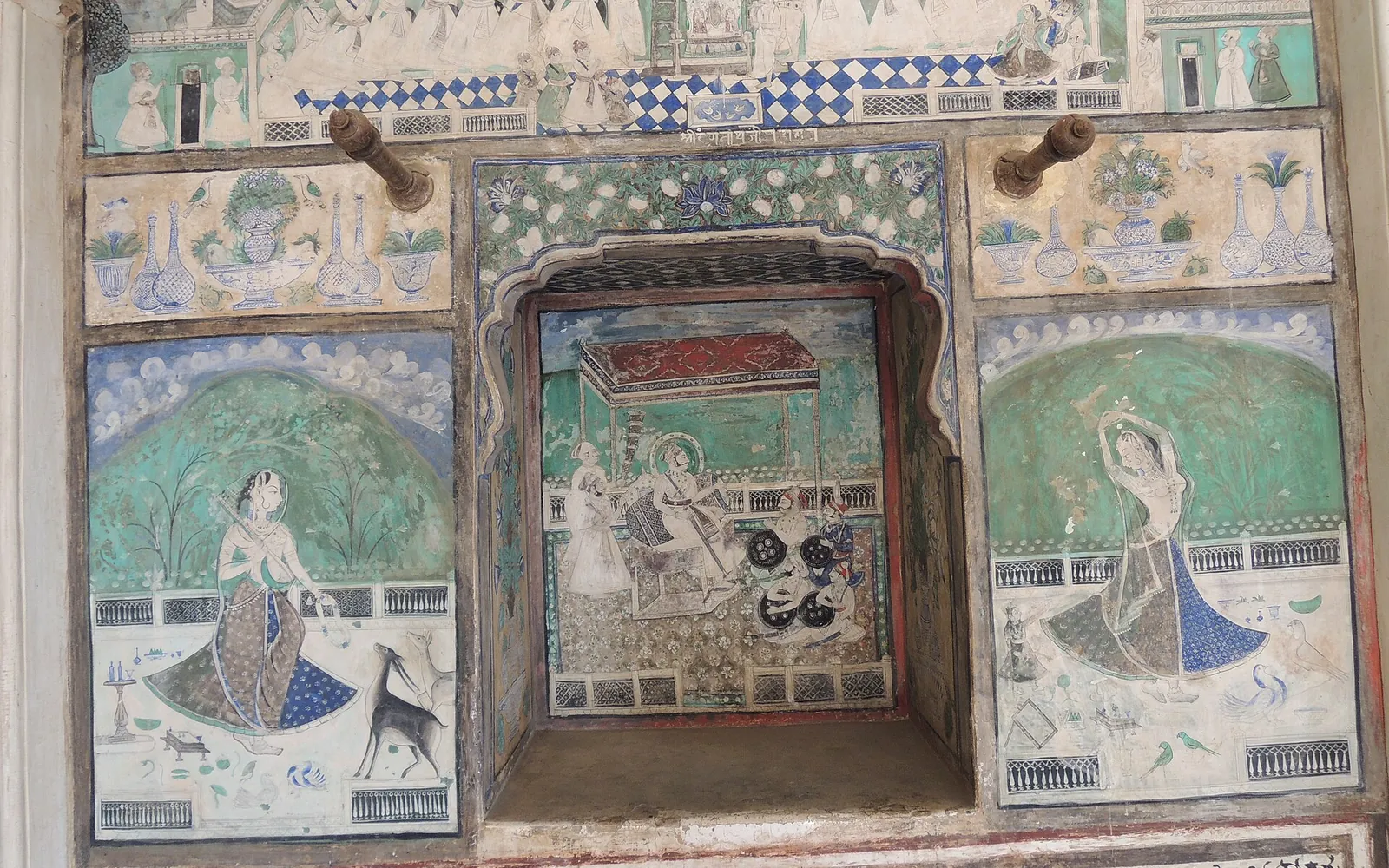
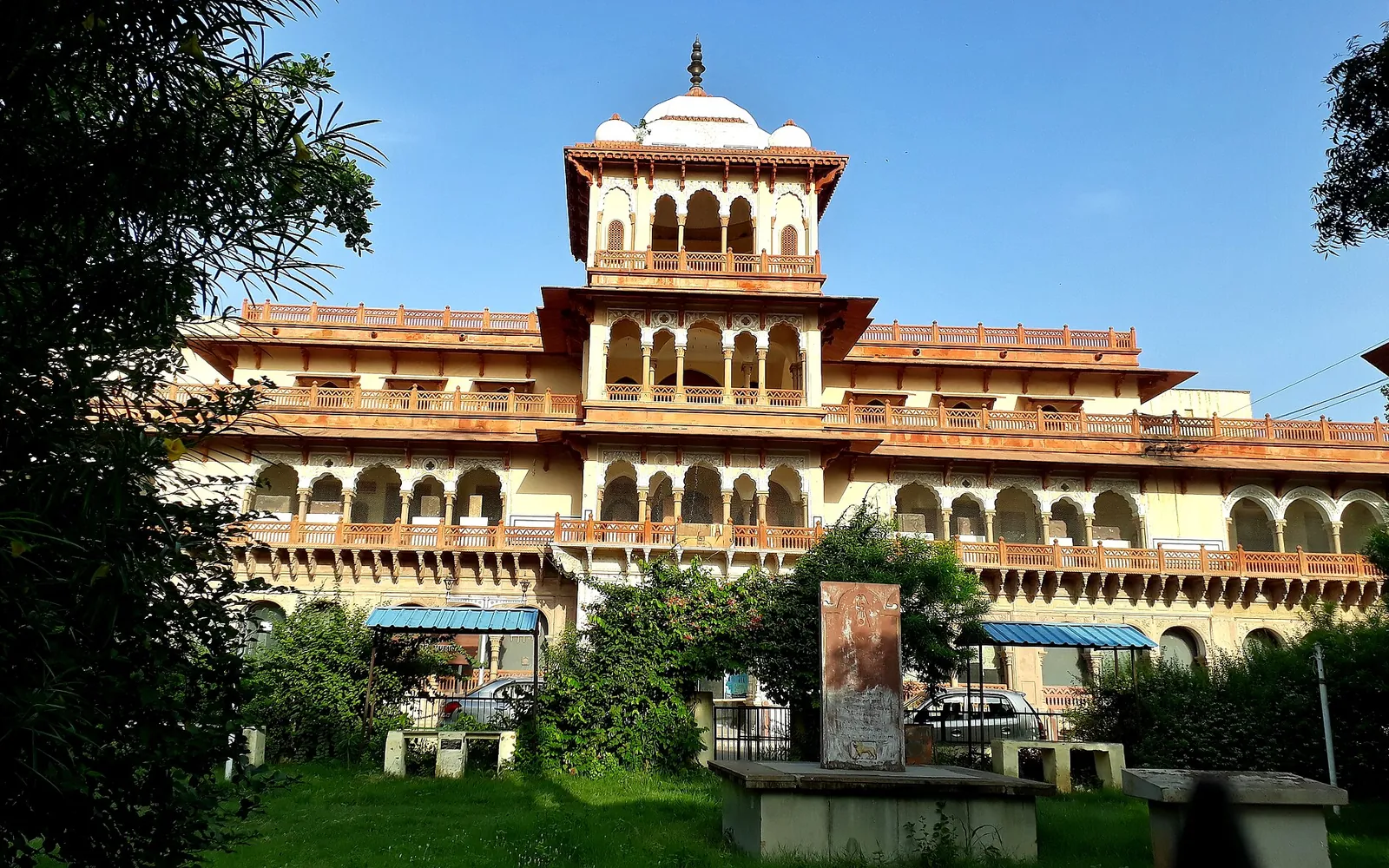
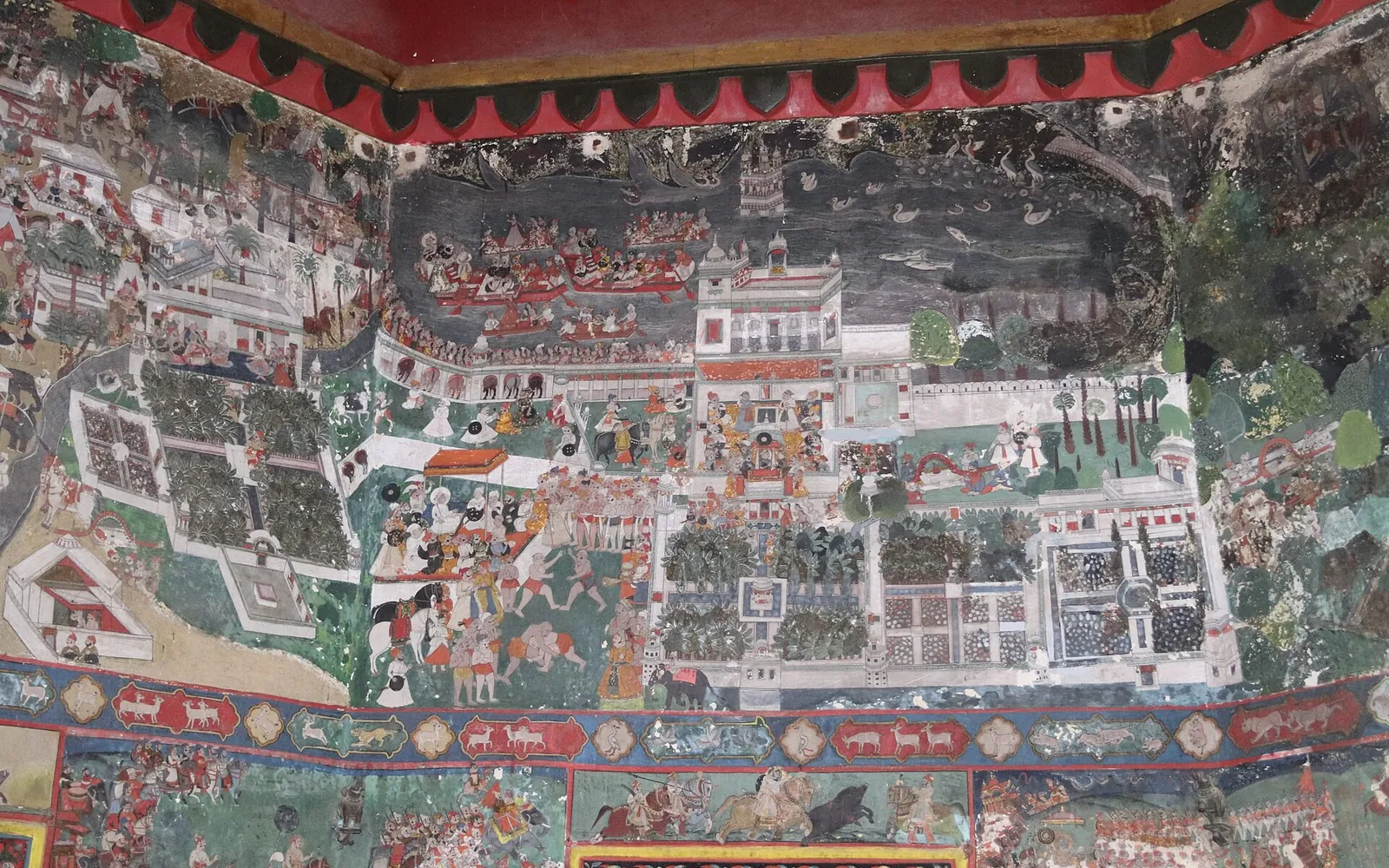
- Kota’s Garh and the Rao Madho Singh Museum, with portraits and arms of the early rulers; paintings of the Kota school show court life and the hunt.
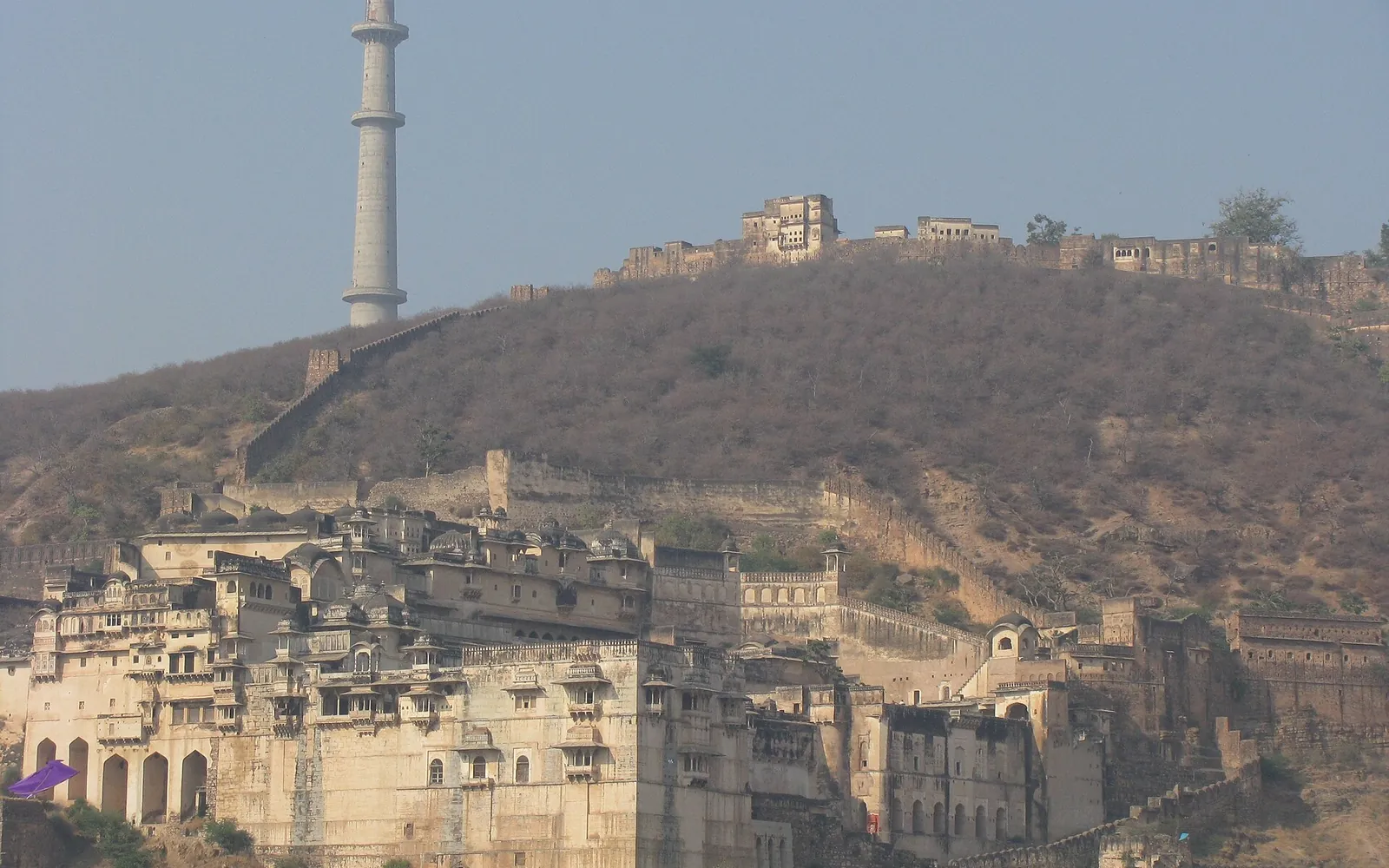
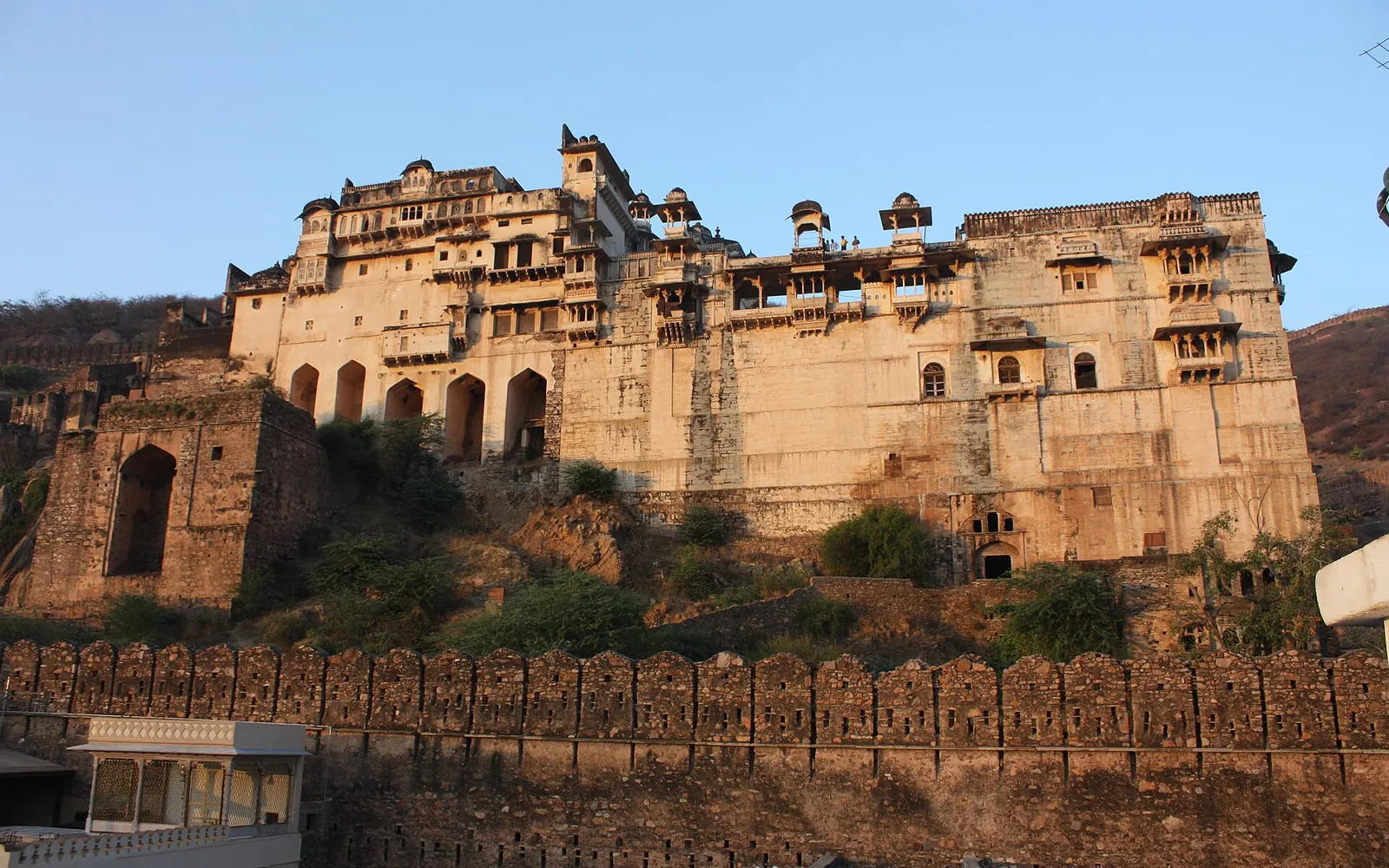
- The Chhatra Mahal in Bundi Palace, built by Chhatar Sal, which Kipling described in 1887.
- The Keshav Rai temple at Keshoraipatan, also built by Chhatar Sal, about 20 km from Kota.
- Mukundara Hills, the range and tiger reserve south of Kota that bears the name Mukundara.
For the founder of Kota and Mukund Singh’s father, read our page on Rao Madho Singh; for the wider story, see the history of Kota.
Frequently asked questions
When and where was the battle of Dharmat fought?
On 15 April 1658, on the open plain of Dharmat near the Gambhira river, south-west of Ujjain in present-day Madhya Pradesh.
Who fought at Dharmat?
The imperial army sent by Shah Jahan and Dara Shikoh, commanded by Maharaja Jaswant Singh of Marwar with Qasim Khan, against the combined armies of the princes Aurangzeb and Murad Bakhsh.
What happened to Mukund Singh Hada at Dharmat?
He led the Rajput charge of the imperial vanguard against Aurangzeb's artillery and troops. Surrounded on three sides, the Rajputs were cut down; Mukund Singh was killed by an arrow through the eye.
Who won the battle of Dharmat?
Aurangzeb and Murad. Jaswant Singh, badly wounded, retreated after hours of fighting. The victory opened the road to Agra and to the decisive battle of Samugarh.
Which Bundi ruler died at Samugarh?
Rao Raja Chhatar Sal of Bundi, a trusted commander of Shah Jahan and Dara Shikoh, died fighting at Samugarh on 29 May 1658 together with his son Bharat Singh.
Sources
Editorial team
The KotaRajasthan.net team writes about the places, history and festivals of Kota and Hadoti, and corrects pages when readers point out changes.