Food and crafts
Kota Kachori: The Story Behind Kota's Most Famous Street Food (And Where to Eat It)
Written by Kota Rajasthan Editorial Team · Updated
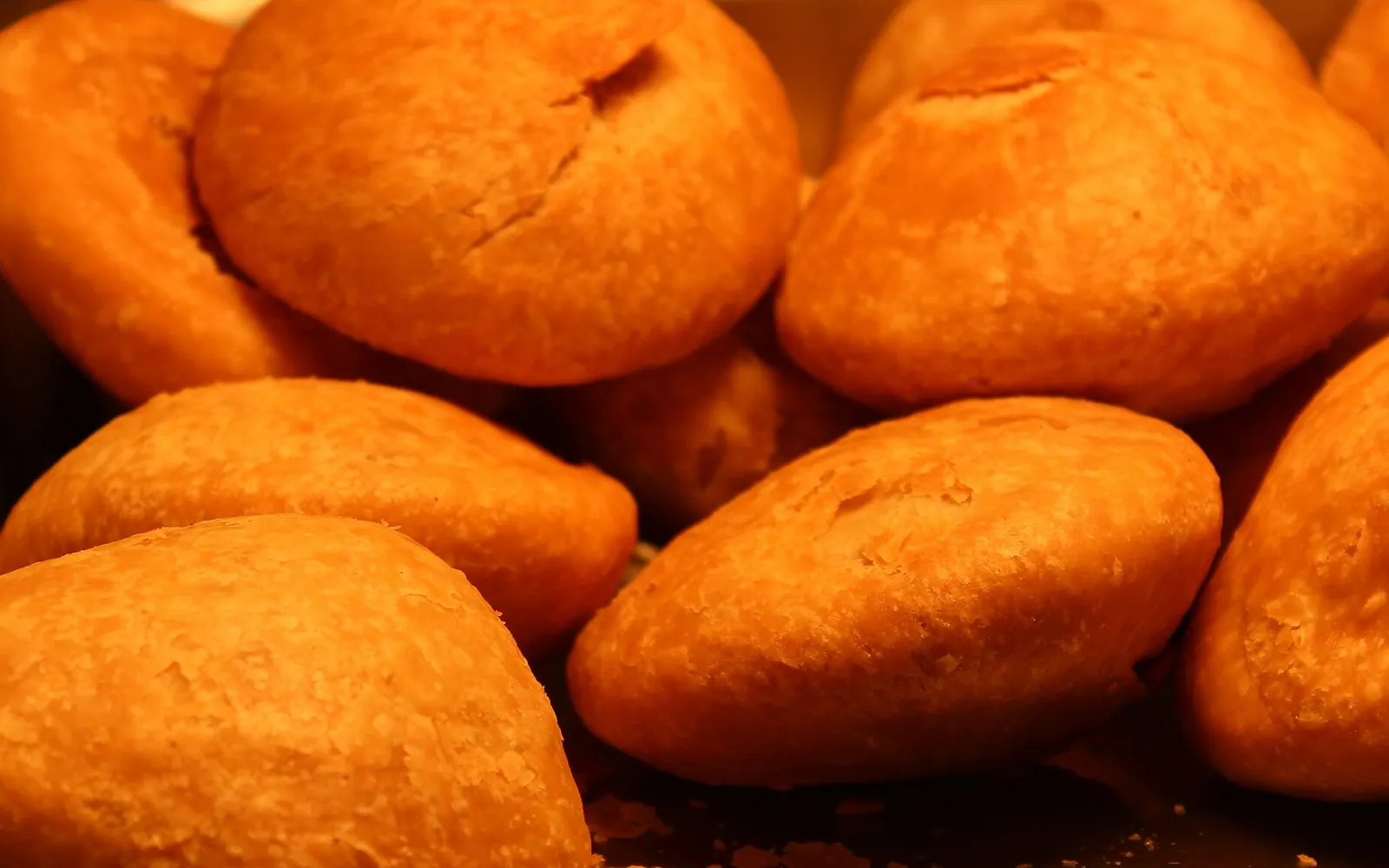
Ask anyone in Rajasthan where the best kachori comes from and, sooner or later, someone will say Kota. It is a claim other cities dispute, but few make with the same confidence. In Kota the kachori is not a snack; it is a morning ritual, a point of local pride, and for many families a business handed down across three generations.
What exactly is a Kota kachori?
The Kota kachori is a deep-fried, round pastry with a crisp, blistered shell and a spiced filling. The most beloved version is the pyaaz kachori, stuffed with a masala of onions, gram flour and a heady mix of spices. There is also the dal kachori, filled with a paste of soaked moong or urad dal. What sets Kota’s version apart is the balance: the shell shatters cleanly rather than crumbling, and the filling carries real heat, cut by a drizzle of tangy imli (tamarind) chutney and sometimes a fierce green chutney.
A good Kota kachori should crackle when you press it, steam gently when you break it open, and leave your fingertips a little orange with spice.
How the kachori became Kota’s signature
Kachori is eaten across Rajasthan and Uttar Pradesh, so why does Kota own it in popular imagination? Part of the answer is the coaching boom. From the 1990s, hundreds of thousands of students arrived from every corner of India, and the humble kachori, cheap, filling and available from dawn, became the unofficial breakfast of exam preparation. Students carried the memory of Kota’s kachori home with them, and the reputation spread by word of mouth long before social media amplified it.
Where to eat kachori in Kota
Every Kota resident has a favourite counter and will defend it. Rather than print a ranking of shop names that change hands, move and open branches, here is how to find a good one:
- The old-city bazaars. The lanes of the old city around Rampura and the markets near the Ghantaghar have small counters that fry from early morning. This is where the tradition is strongest.
- Long-running sweet houses. Established mithai shops across the city fry kachori in the morning and pair it with jalebi.
- Station Road and Gumanpura. Convenient if you arrive by train, and busy with students and commuters.
- The coaching neighbourhoods. Around the institutes, stalls cater to students with cheap, quick plates.
The golden rule: eat where the kachori is fried fresh in front of you and where there is a queue of locals, not where it sits in a pile. Peak flavour is the first ten minutes out of the kadhai. Ask your hotel or auto driver which counter they go to; you will get a confident answer.
How locals eat it
The classic order is a kachori split open on a leaf plate (pattal), topped with sweet imli chutney and, for the brave, a spoon of spicy green chutney. Many people add a side of hot jalebi to balance the spice with sweetness, a combination that borders on genius on a cold winter morning. Wash it down with kadak chai or, in summer, a glass of chilled lassi.
The craft behind the crunch
What looks like a simple fried ball is actually the product of real technique, and the families who have perfected it guard their methods closely. The dough must be worked to just the right consistency, enriched with a little fat so the shell blisters into that signature bubbly texture. The filling is roasted and spiced with a masala that varies subtly from shop to shop, the closely held secret that regulars swear they can taste. Then comes the frying, done slow and steady in a wide kadhai so the kachori cooks through without burning, puffing up as the moisture inside turns to steam.
Get any one of these steps wrong and you get a heavy, greasy, or soggy kachori. Get them all right and you get the Kota version at its best: light despite the frying, crisp on the outside, molten with spice within. That consistency, day after day, batch after batch, is what separates a legendary counter from an ordinary one.
Ask a Kota kachori-wala his secret and he will smile and say it is just onions and spices. It never is. It is thirty years of doing the same thing a little better than everyone else.
Kachori beyond breakfast
While mornings are prime kachori hours, the snack has crept into every part of the day. Evening chaat counters serve raj-kachori, a larger, hollow version filled with curd, sprouts, chutneys and sev. It is a completely different animal from the breakfast pyaaz kachori, but equally addictive.
There are seasonal and regional cousins too. In the cooler months, a fresh, hot kachori is the perfect street-side warmer. During festivals, the humble snack shares counter space with mountains of sweets. And no wedding or celebration spread in Kota feels quite complete without a tray of kachoris making the rounds. It has become, in every sense, the city’s edible signature.
Taking the taste home
One reason Kota kachori spread across India is that the drier dal versions travel reasonably well. Students heading home after their exams, and travellers passing through Kota Junction, often pick up boxes to carry the taste back to family. If you want to do the same, buy from a busy, reputable shop, ask for the versions that keep longest, and eat them within a day or two for the best texture. Nothing quite matches eating one fresh on the spot, but a boxed kachori on a train out of Kota is its own small pleasure.
A taste of the city
To understand Kota, start with its kachori. In one crisp, spicy bite you get the city’s love of bold flavour, its unpretentious street culture, and the quiet pride of families who have fed generations of students, traders and travellers. Come hungry, come early, and do not be shy about asking a local which counter they trust. Everyone has an opinion, and every opinion is delivered with total conviction.
Related reading
Hungry for more? See our guide to the best street food in Kota, the evening stalls at Kishore Sagar Chowpatty, and what else Kota is famous for.
Frequently asked questions
What is Kota kachori made of?
The famous pyaaz kachori has a crisp fried shell filled with a spicy masala of onions, gram flour and spices, usually served with tamarind and green chutney.
Where can I find the best kachori in Kota?
Locals point to long-running sweet houses and the small counters in the old-city bazaar lanes. Eat it fresh out of the kadhai for the best flavour.
What is the best time to eat kachori in Kota?
Morning is prime kachori time. Many shops fry through breakfast hours, and locals often pair it with hot jalebi and chai.
Is Kota kachori very spicy?
The pyaaz kachori carries genuine heat, but the sweet tamarind chutney balances it. You can ask for less green chutney if you prefer it milder.
Sources
Editorial team
The KotaRajasthan.net team writes about the places, history and festivals of Kota and Hadoti, and corrects pages when readers point out changes.