Food and crafts
What is Kota famous for?
Written by Kota Rajasthan Editorial Team · Updated
What is Kota famous for? Ask around India and the answer depends on who you ask. Students and parents think of coaching, builders think of Kota Stone, food lovers think of kachori, and a growing number of travellers think of the Chambal Riverfront. Here is the full picture, with links to our detailed guides.
The coaching capital of India
Kota is best known today as the city where hundreds of thousands of teenagers come to prepare for the IIT-JEE engineering and NEET medical entrance exams. What began with tuition classes in the 1980s grew into an industry of institutes, hostels, messes and libraries that now shapes whole neighbourhoods. It has also brought hard questions about pressure on students, which the city and institutes have tried to answer with counselling and new rules. The full story: Kota, the coaching capital of India.
Kota Stone
The fine-grained limestone quarried around Kota, especially near Ramganjmandi, is one of the most widely used flooring stones in India. It is hard-wearing, cool underfoot, naturally non-slip when finished well and cheaper than marble or granite, and its greenish-blue colour is instantly recognisable. Read how Kota Stone made Kota famous and see the stone town of Ramganjmandi.
Kota kachori
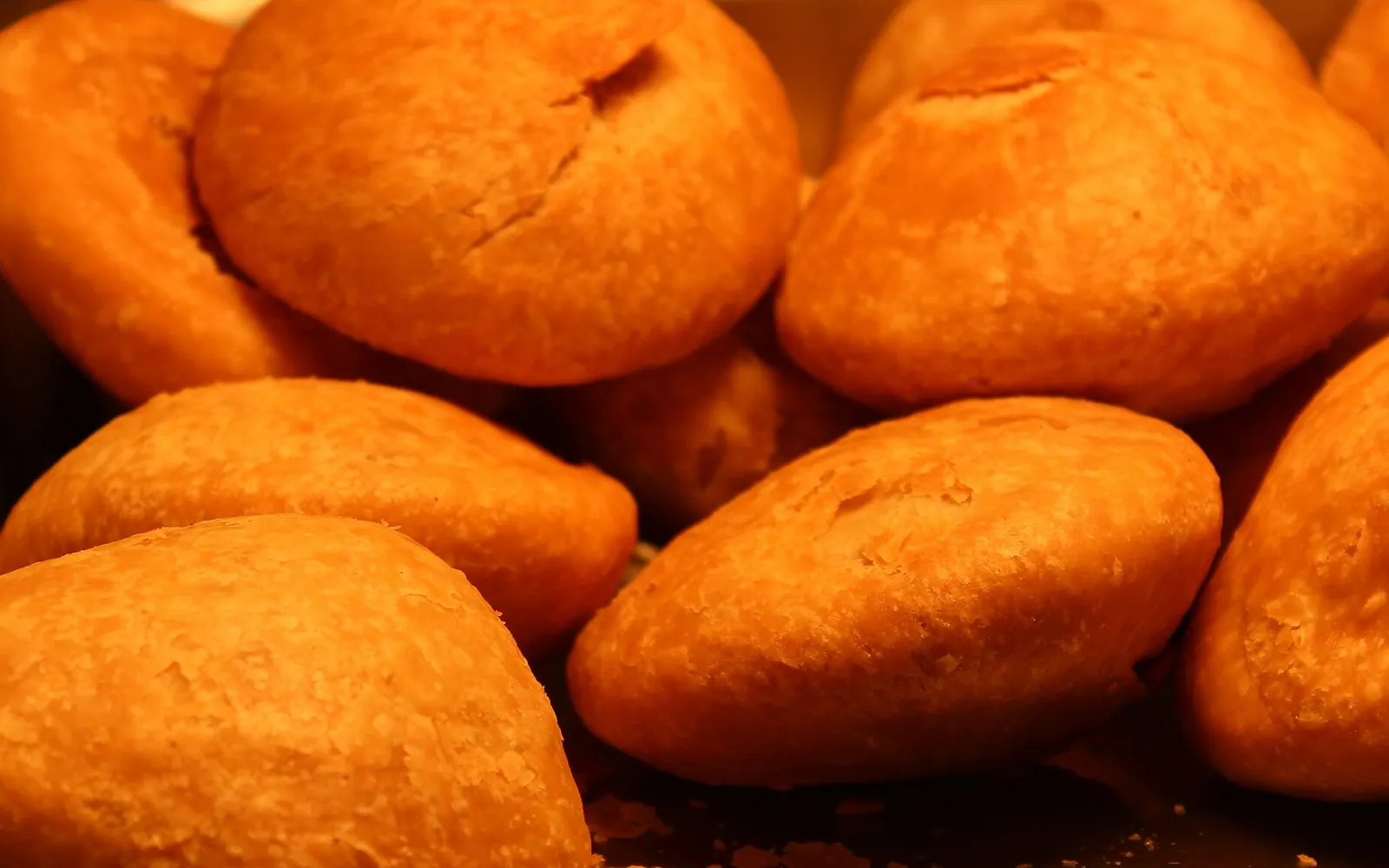
The pyaaz kachori, a crisp fried pastry filled with spiced onion, is Kota’s breakfast and its favourite snack. Locals argue about which counter fries the best one. Our guide covers the story of Kota kachori and where to eat it, and the wider street food of Kota.
Kota Doria saris
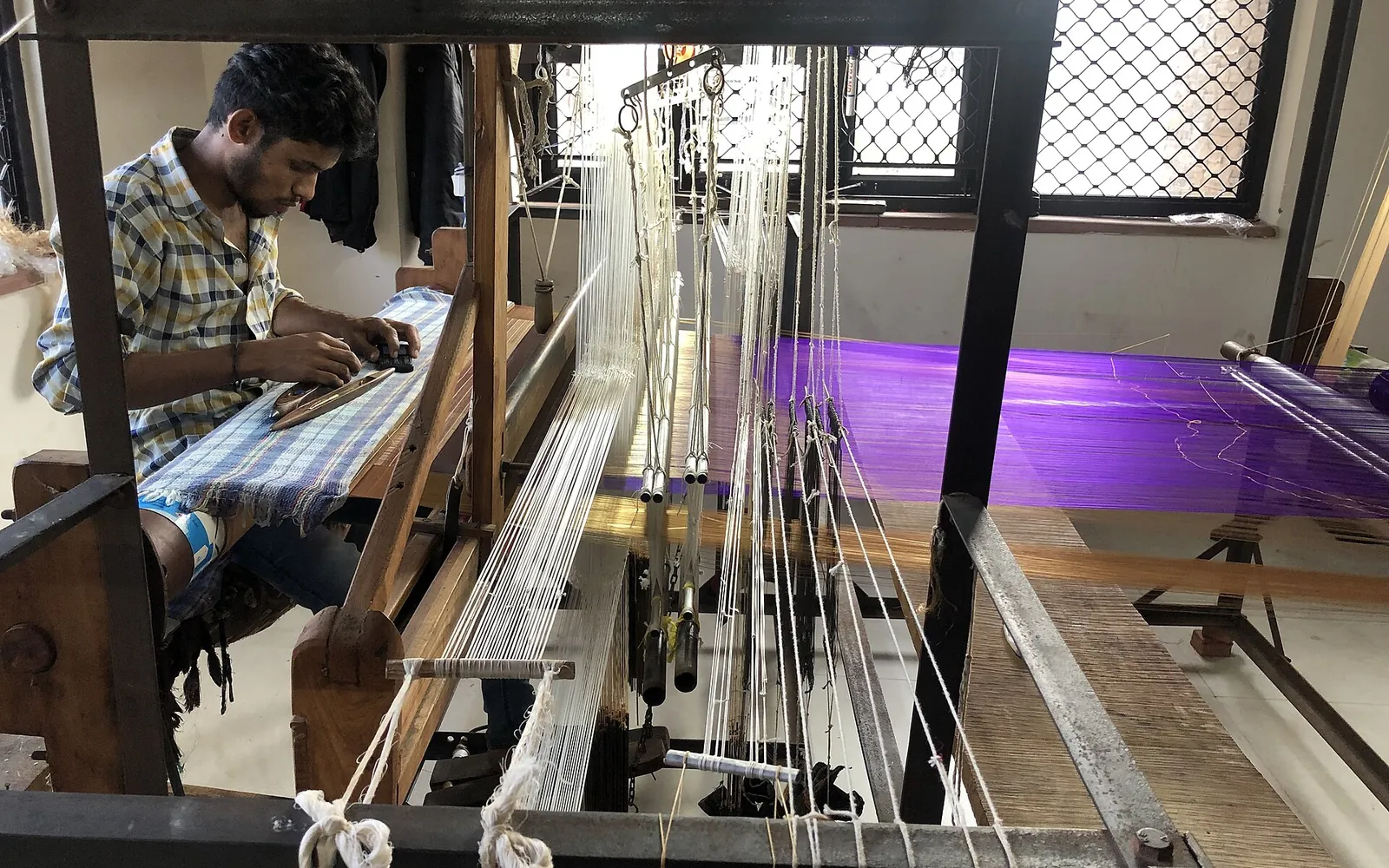
Kota Doria is a featherlight woven fabric of cotton and silk with a distinctive square check pattern called khat. It is woven mainly in Kaithoon, a weaving town near Kota, and is protected by a Geographical Indication. See Kota Doria: the weave of Kaithoon.
The Dussehra Mela
Kota’s Rashtriya Dussehra Mela is one of the largest Dussehra fairs in India, with nightly Ramlila, cultural programmes, a huge trade fair and the burning of giant Ravan effigies on Vijayadashami. The 2026 edition is the 133rd. See Kota Dussehra Mela 2026 and the history of the mela.
The Kota school of painting
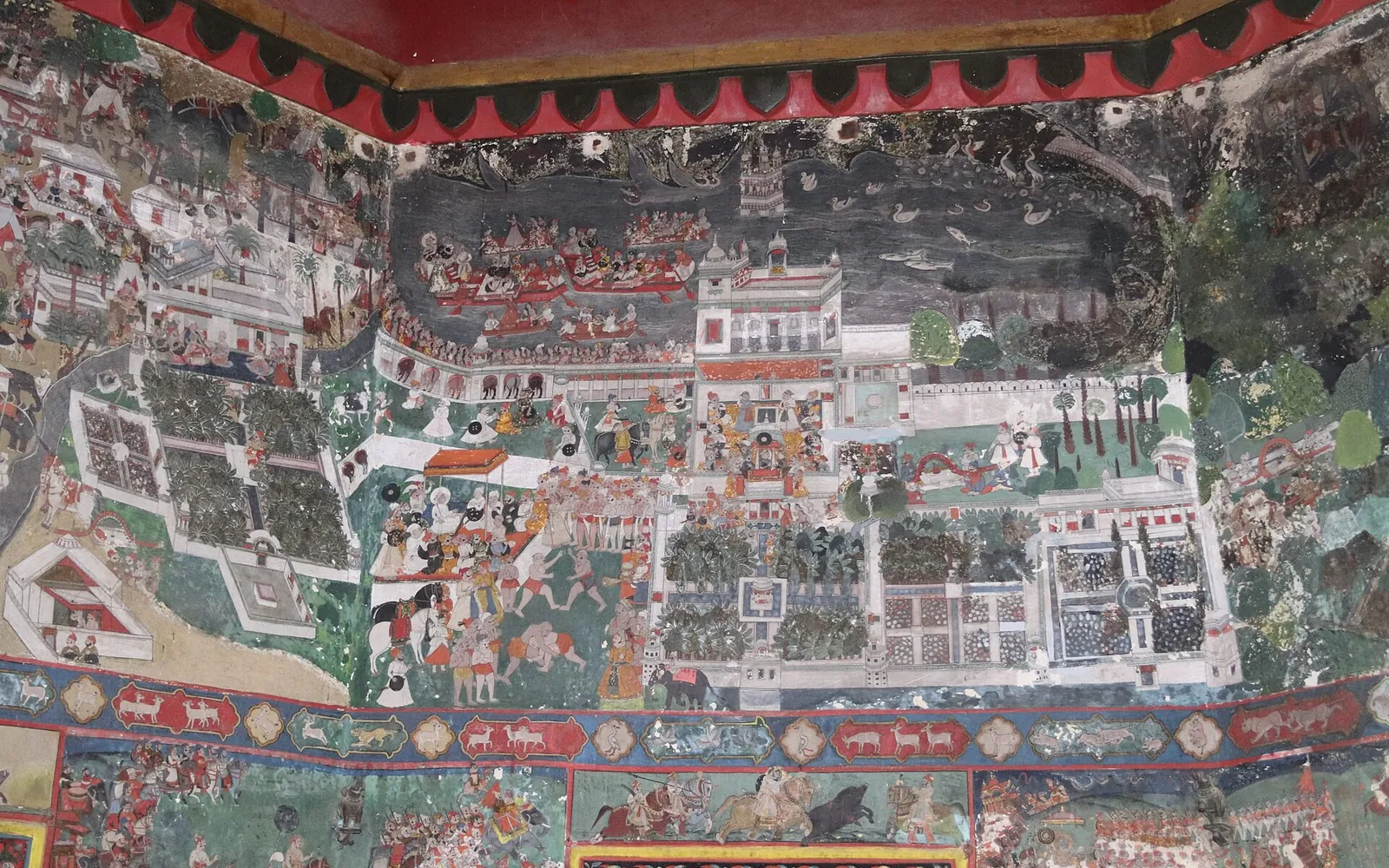
Under the patronage of the Hada rulers, Kota developed its own school of miniature painting, famous for dramatic hunting scenes in dense jungle. The best place to see it in Kota is the museum inside Garh Palace. The history of Kota explains the court that produced it.
The Chambal and its wildlife
The Chambal gives Kota its gorges, its dams and its wildlife. Downstream, the National Chambal Sanctuary protects the critically endangered gharial; upstream, the river cuts the deep gorge you can see from Garadia Mahadev. Close to the city lies Mukundara Hills Tiger Reserve.
Palaces, lakes and the riverfront
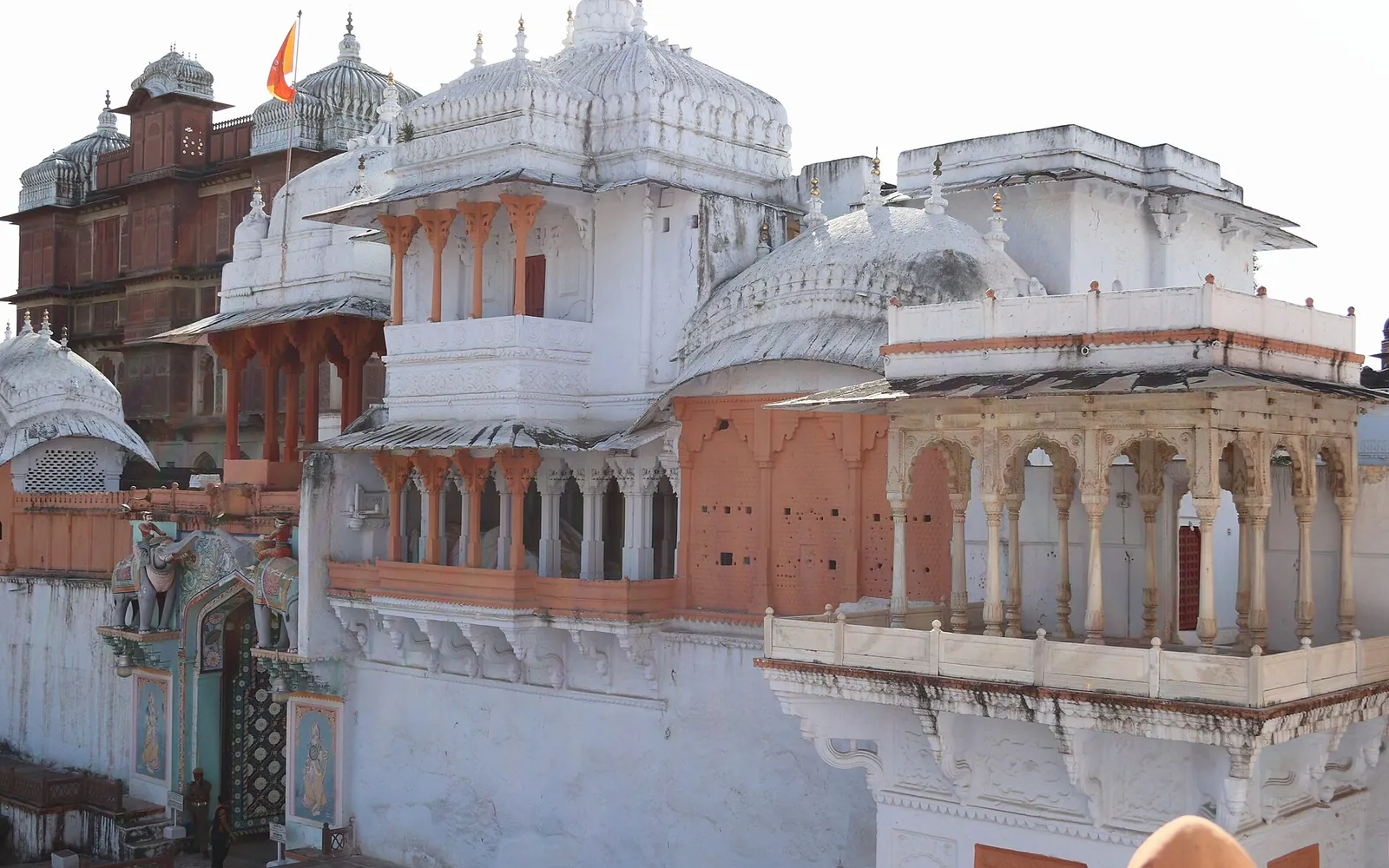
For visitors, Kota is increasingly famous for its sights: the riverside Garh Palace, Kishore Sagar with its island pavilion of Jagmandir, the replicas at Seven Wonders Park and the sculpted ghats of the Chambal Riverfront. Start with our list of the top tourist places in Kota.
Coriander and the farm markets
Kota is also a big farm market. Wikipedia describes the city as the trade centre for an area growing cotton, millet, wheat, coriander and oilseeds, and the town of Ramganjmandi, south of Kota, has one of India’s largest coriander markets, with thousands of tonnes of seed arriving on peak days after the winter harvest. If you cook with dhaniya in north India, there is a fair chance some of it passed through Hadoti.
Gold jewellery and saris
Rajasthan Tourism lists gold jewellery, Doria saris, silk saris and Kota stone as the things the city is known for. For Kota Doria, compare it with other light weaves in our guide to Kota Doria vs Chanderi, and buy from weavers or cooperatives in Kaithoon where you can.
Gateway to Hadoti
Kota is the biggest city of the Hadoti region, which also takes in Bundi, Baran and Jhalawar, so it is famous as a base for exploring them. Within a day you can reach the painted palace of Bundi, the UNESCO-listed water fort of Gagron and other forts near Kota, the monsoon waterfalls near Kota, and even the rock-cut Buddhist caves of Rajasthan at Kolvi. Our Hadoti region guide explains how the four districts fit together.
Industry
Before coaching, Kota was known as an industrial city, with chemical, fertiliser and engineering plants built after independence, power from the Chambal dams and the atomic power station at nearby Rawatbhata. Industry is still part of the city’s economy, even if coaching now gets more attention. See modern Kota development for how the city has changed recently.
Frequently asked questions
What is Kota famous for in one line?
Coaching for IIT-JEE and NEET, Kota stone, Kota Doria saris, the kachori, the Dussehra Mela and the Chambal River.
What is the famous food of Kota?
The kachori, especially the pyaaz (onion) kachori, eaten hot for breakfast with tamarind chutney. Poha and the street food of the evening markets are close behind.
What should I buy in Kota?
A Kota Doria sari or dupatta, ideally from a weaver or cooperative in Kaithoon, and packed kachoris for the journey home. Kota stone is famous but is building material, not a souvenir.
Is Kota famous for tourism?
It is becoming so. Garh Palace, Kishore Sagar, the Chambal Riverfront and day trips to Bundi and the Chambal gorge make it a good base for exploring Hadoti.
Which crop is Kota famous for?
Coriander. Ramganjmandi in Kota district has one of India's largest coriander markets, and the area also grows wheat, cotton, millet and oilseeds.
Why is Kota called the coaching capital of India?
Since the 1980s, and especially since 2000, the city has grown into India's best-known centre for engineering and medical entrance preparation, with more than 100,000 students arriving each year according to recent reports.
Sources
Editorial team
The KotaRajasthan.net team writes about the places, history and festivals of Kota and Hadoti, and corrects pages when readers point out changes.