History and people
Suryamal Mishran: Bundi's Poet-Historian and Vansh Bhaskar
Written by Kota Rajasthan Editorial Team · Updated
Suryamal Mishran was the court poet-historian of Bundi in the middle of the 19th century and one of the towering figures of Rajasthani literature. Born in a Bundi village in 1815 and dying in the city in 1868, he spent his working life at the court of Maharao Raja Ram Singh, writing in verse about the Hada Chauhans and the other Rajput houses. His epic Vansh Bhaskar is still quoted across Rajasthan, and his Veer Satsai gave voice to ordinary soldiers and their wives. He also stands out for his open sympathy with the revolt of 1857. For anyone curious about the culture behind Bundi’s palaces, he is the writer to know.
Early life and family
Suryamal Mishran (the name is also spelled Misran and Meesan) was born on 19 October 1815 (Vikram Samvat 1872) in Harna village, Bundi district, a few kilometres from the town of Hindoli. His father, Kaviraja Chandidan, was himself a poet and scholar honoured by Bundi’s ruler Vishnu Singh with a village grant and the title of Kaviraja. His mother was Bhawani Bai.
The family were Charans, the hereditary bards and genealogists of Rajput courts, and had moved to Bundi from Mewar generations earlier. Family tradition tells how an ancestor named Bhan won the favour of a Bundi ruler with a poem about a bear hunt and later settled in Bundi with a land grant. Chandidan was the tenth in line from Bhan.
An unusually broad education
Biographies stress how widely he was taught. Besides his father, a Dadupanthi monk, Swami Swarupdas, taught him yoga, Vedanta and the schools of logic; Pandit Ashanand taught him grammar, prosody, astrology and statecraft; a Muslim teacher named Muhammad taught him the veena, and others taught him Persian and Islamic history, including works such as the Akbarnama. In Vansh Bhaskar he writes warmly of these teachers, including his Muslim guru. He came to know six languages, among them Dingal, Sanskrit, Prakrit and Apabhramsha.
Rajkavi of Bundi
He succeeded his father as Kaviraja at the court of Maharao Raja Ram Singh, who ruled Bundi from 1821 to 1889 (the same ruler whom Rudyard Kipling later visited; see Kipling in Bundi). He wrote mainly in Dingal, the literary language of the Rajasthani bards, while also using Sanskrit, Pingal and other registers. Admirers called him Mahakavi, and he is counted among the five gems of Bundi.
Vansh Bhaskar
Vansh Bhaskar, “the sun of lineages”, is his masterpiece. He planned it in two volumes and twelve parts, an image of the sun’s two solstices and twelve months. It is a huge verse chronicle centred on the Chauhans, the clan to which the Hadas of Bundi and Kota belong, and also covers other Rajput dynasties, along with war, astronomy, yoga, religion and traditional sciences. For readers of Hadoti history it sits beside Colonel Tod’s Annals as a major, if very different, source (see James Tod in Hadoti).
He stopped writing at the eighth part of the second volume, reportedly because of differences with the ruler. His adopted son, Kaviraja Murari Dan, completed the work. Scholars sometimes call Suryamal the Veda Vyasa of the modern age, comparing Vansh Bhaskar to the Mahabharata. Its fame had a curious side effect: a later observer complained that once every bard in Bundi recited it, the older collections of bardic songs were neglected and scattered.
Veer Satsai and other works
Veer Satsai, a collection of heroic couplets, is his best-loved shorter work. It celebrates valour and honour, but several couplets look at war from the side of soldiers’ families, describing wives who ask the queen for a handful of grain in return for their husbands’ lives. Other works attributed to him include Balwant Vilas, Chhandomayukh, Ram Ranjat, Dhatu Roopawali, Sati Raso and Sati Sujas.
1857 and resistance to British rule
Bundi, like Kota, had treaties with the British from 1818. Suryamal saw growing British power as a threat to faith and way of life, and wrote to Rajput rulers and nobles urging them to stand together. During the rising of 1857 he celebrated Thakur Kushal Singh of Auwa, who sheltered the rebel soldiers of the Jodhpur Legion. These views set him at odds with a court that had accepted British protection. For what happened in Hadoti that year, see the 1857 revolt in Kota.
Final years
Despite wealth and honours, his last years were unhappy. Biographers describe a man troubled by childlessness and by the British hold over India, who turned to music and drink and fell ill. He died in Bundi on 11 October 1868, and poets across Rajasthan and Malwa wrote tributes to him.
Legacy and where to find it
- The Suryamal Mishran Shikhar Award, given by the Rajasthani Bhasha Sahitya and Sanskriti Akademi in Bikaner, honours major contributions to Rajasthani literature.
- On stage, his life has been dramatised in Rajendra Panchal’s play Katha Sukavi Suryamall Ki, performed by a Kota theatre group.
- At Harna, his birthplace a few kilometres from Hindoli on the Bundi-Jaipur highway, local accounts point to the family haveli. It is a village house rather than a museum, so treat a visit as a private pilgrimage and ask before entering or photographing.
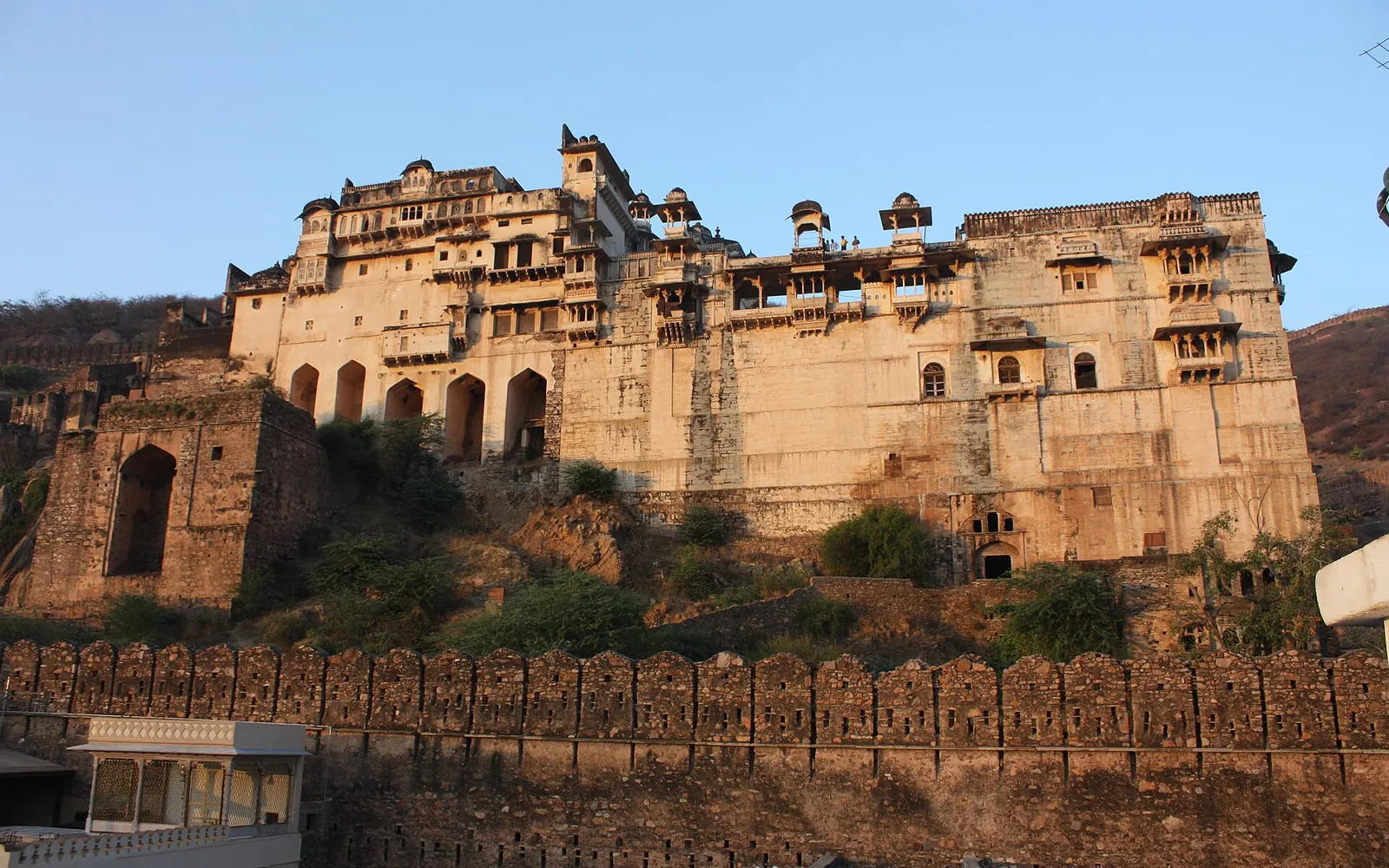
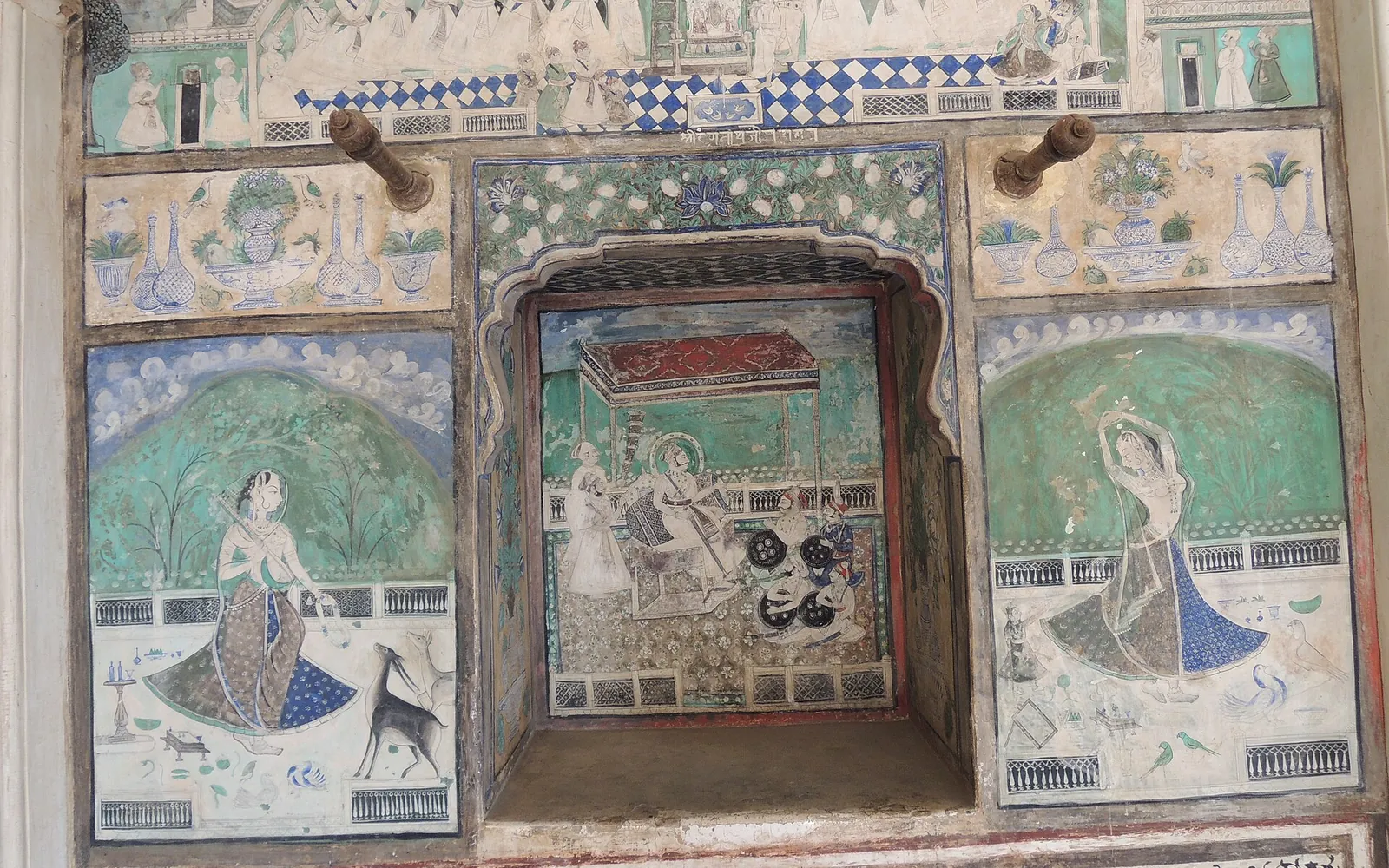
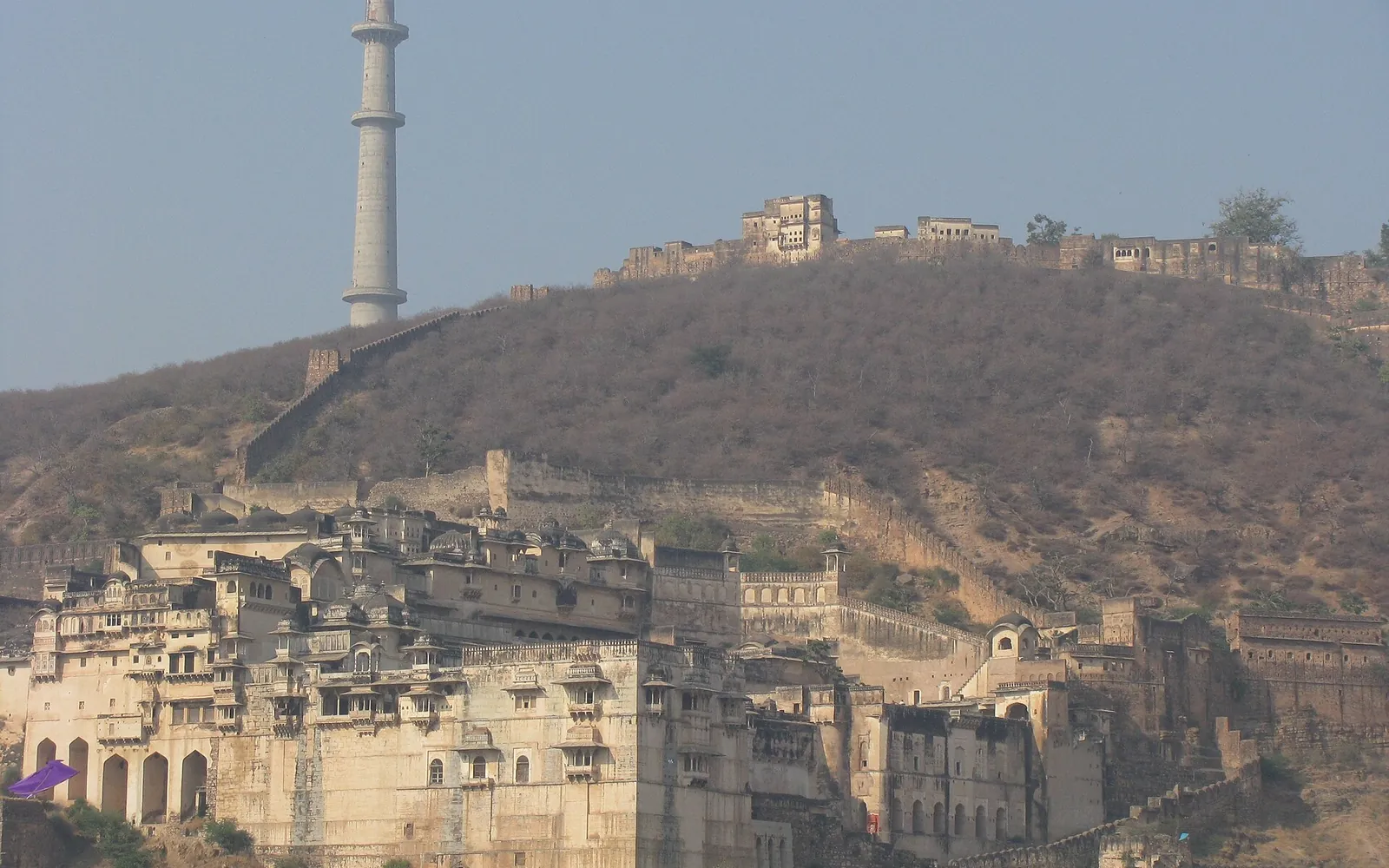
- In Bundi, the setting of his life is the old city below Taragarh Fort. Read our history of Bundi for the court he served, and the Bundi school of painting for the visual art of the same world.
Reading him today
Dingal verse is hard going even for fluent Hindi readers, so most people meet Suryamal through selections, school textbooks and commentaries in Hindi and Rajasthani rather than the full Vansh Bhaskar. Veer Satsai is the easiest place to start: its couplets are short, and many are still recited at gatherings in Hadoti.
Frequently asked questions
Who was Suryamal Mishran?
A 19th-century poet and historian who served as Rajkavi (court poet) of Bundi under Maharao Raja Ram Singh. He is regarded as one of the greatest writers in the Rajasthani bardic tradition.
What is Vansh Bhaskar?
Suryamal Mishran's epic verse chronicle, which covers the history of the Chauhans, including the Hadas of Bundi and Kota, and other Rajput houses, along with material on war, astronomy, religion and traditional learning. He planned it in two volumes and twelve parts but left it unfinished; his adopted son Murari Dan completed it.
Where was Suryamal Mishran born?
In Harna village in Bundi district, on 19 October 1815. Harna is near the town of Hindoli.
What was his role in 1857?
He supported the rising against the East India Company in his writing and letters, urging Rajput chiefs to resist, and praised the Thakur of Auwa, Kushal Singh, who sheltered rebel soldiers. His sympathies are said to be one reason he stopped work on Vansh Bhaskar.
Is there an award named after him?
Yes. The Suryamal Mishran Shikhar Award is given by the Rajasthani Bhasha Sahitya and Sanskriti Akademi, Bikaner, for special contributions to Rajasthani literature.
Sources
Editorial team
The KotaRajasthan.net team writes about the places, history and festivals of Kota and Hadoti, and corrects pages when readers point out changes.