History and people
Sant Pipa Ji of Gagron: The King Who Became a Bhakti Saint
Written by Kota Rajasthan Editorial Team · Updated
Sant Pipa Ji is the most unusual ruler Gagron ever had: a Rajput king who walked away from his water fort to become a wandering devotee. Remembered as Bhagat Pipa in the Sikh tradition and as Rajarshi Pipaji, the royal sage, in Rajasthan, he belongs to the same generation of Bhakti saints as Kabir and Ravidas, and a hymn attributed to him is part of the Guru Granth Sahib. For visitors to Jhalawar his story turns Gagron Fort from a military monument into a place of pilgrimage. This page sets out what is known, what is legend, and where to find the Pipa sites today.
Gagron in Pipa’s time
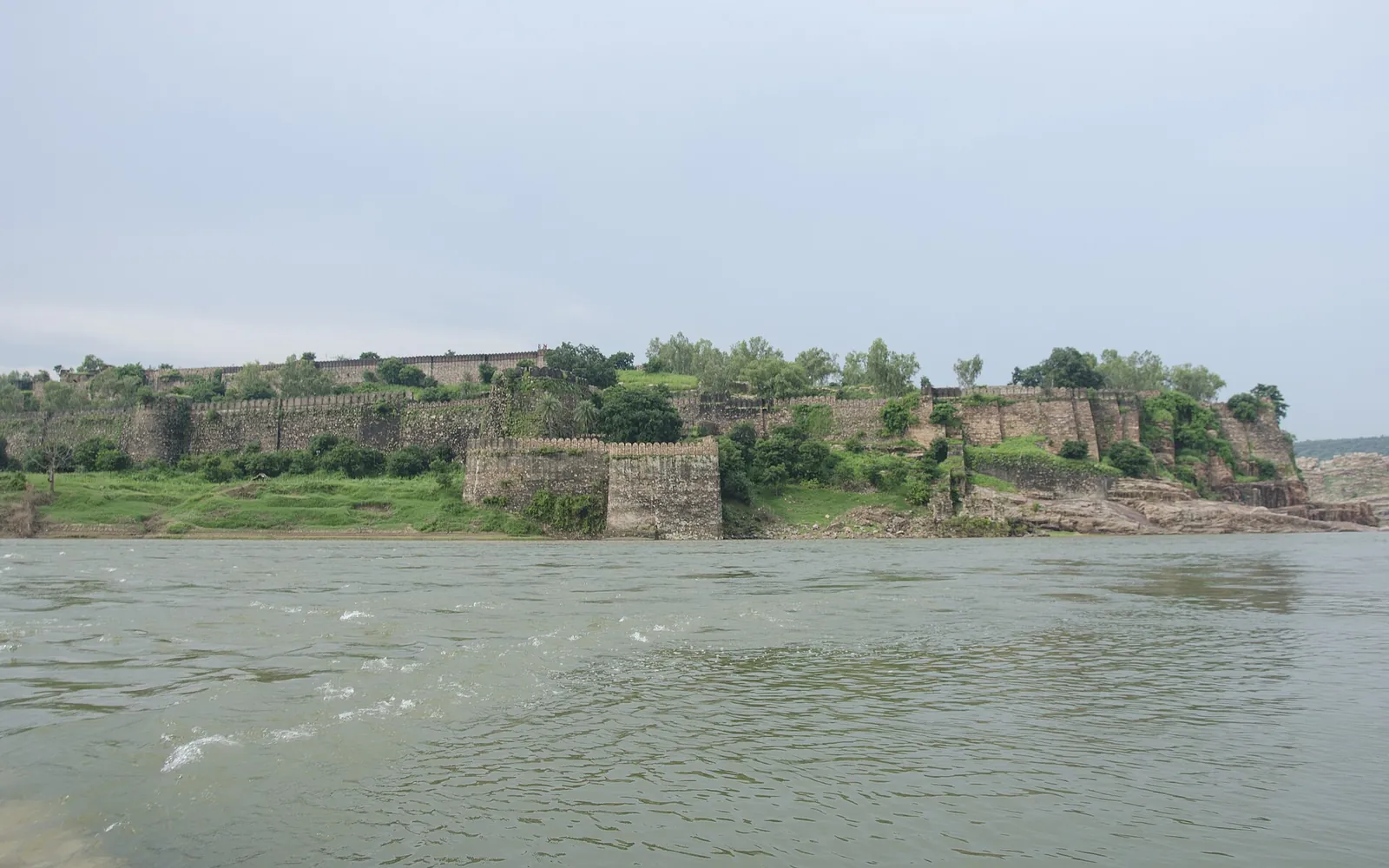
Gagron stands where the Ahu and Kali Sindh rivers meet, a few kilometres from Jhalawar. Water protects it on three sides and a moat on the fourth, which is why it is called a jaladurg or water fort. It was held for about three centuries by Rajput rulers and was repeatedly attacked by the sultans of Malwa; in 1423 Sultan Hoshang Shah besieged it and its ruler Achal Das fell in battle while the women of the fort committed jauhar. Since 2013 Gagron has been one of six forts in the UNESCO World Heritage site Hill Forts of Rajasthan.
Pipa was born into this ruling family and became king of Gagron. In his early life he is described as a devotee of Shiva and of the goddess, keeping an image of Durga Bhavani in a temple within his palace.
From king to sanyasi
At some point Pipa renounced his throne, became a sanyasi and accepted Ramananda of Varanasi as his guru. Ramananda’s movement taught devotion to Rama and welcomed disciples from every caste, and among those traditionally counted as his followers are Kabir and Ravidas. Pipa’s wife, Sita, is said in the Bhakti hagiography Bhaktamal to have stayed with him both before and after he gave up the kingdom, sharing his life as a wandering monk.
The same hagiography tells many stories of his later life. In one, robbers came to steal the buffalo whose milk fed Pipa’s companions. When Pipa found them, instead of resisting he helped them and suggested they take the calf as well. The robbers were so moved that they gave up their ways and became his disciples. Bardic records also claim that fifty-two Rajput chiefs from many clans renounced their offices, alcohol, meat and violence to follow him. These are devotional stories rather than documentary history, but they show how he was remembered.
What he taught
Pipa’s devotion changed over his life. Like Kabir and Dadu Dayal, he moved from worship of God with attributes, such as an avatar of Vishnu, to devotion to nirguna, God without attributes. His central teaching is that God is found within one’s own self, and that true worship means looking inward and honouring the divine in every human being. Those ideas made him a natural voice in the Guru Granth Sahib, where a hymn attributed to Bhagat Pipa sits beside the compositions of Kabir, Ravidas and other saints.
The hymn in the Guru Granth Sahib
The single hymn credited to Bhagat Pipa in the Sikh scripture is set in Raag Dhanasari. Its theme is the one that runs through all of his teaching: the body itself is the temple, the deity and the place of pilgrimage, so there is no need to search outside oneself. Its best-remembered line says, in effect, that whatever exists in the universe is also found within the body, and whoever seeks it there will find it. Because the hymn is recited in gurdwaras, Pipa’s name is probably better known today among Sikhs in Punjab than among visitors to his own fort in Jhalawar.
When did he live?
The dates are genuinely uncertain. One commonly quoted birth year is about 1425, which would make him a younger contemporary of the 1423 siege. Traditional hagiography, on the other hand, places his death around 1400. Both cannot be right, and no inscription or contemporary record fixes the date. The fairest summary is that he lived in the late 14th or 15th century. We have kept both figures rather than invent a precise date.
Pipa in Jhalawar today
- Pipaji monastery at Gagron. Across the confluence from the fort stands a monastery (math) of Saint Pipaji. Seen from the fort walls, it reminds you that the most famous man to leave Gagron did so by choice.
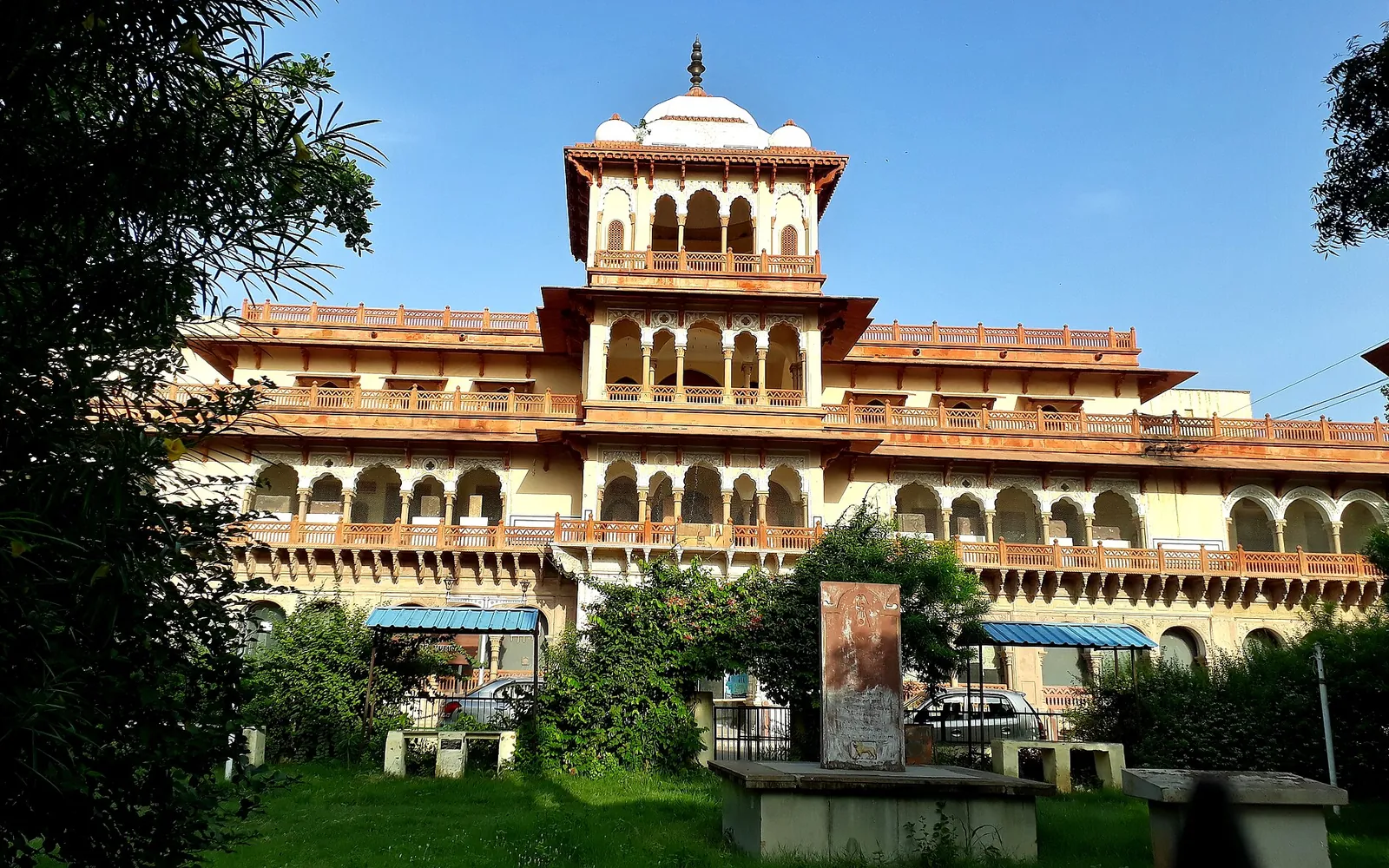
- Saint Pipaji Panorama. Rajasthan Tourism lists a panorama in Jhalawar that presents the historical and spiritual stories of Rajarshi Pipaji, the king of Gagron who became a saint.
- Mitthe Shah’s dargah. Just outside the fort, the tomb of the Sufi saint Mitthe Shah is the venue of an annual fair during Muharram, so Gagron honours two holy men of different faiths within sight of each other.
In film and memory
Pipa’s story has been told on screen at least twice, in Shri Krishna Bhakta Peepaji (1923) by Shree Nath Patankar and Bhakt Peepaji (1980) by Dinesh Rawal. In Hadoti he is remembered above all at Gagron, the fort he chose to leave.
Planning a visit
Gagron is about 5 km from Jhalawar town. Visit the fort early in the day, then cross to the Pipaji monastery and the dargah, and finish at the museum and Garh Palace in Jhalawar. Our Jhalawar tourist places guide has a full-day route, and the history of Jhalawar explains how the later state was formed. For another Hadoti poet-saint of a very different kind, read about Bundi’s court poet Suryamal Mishran.
Frequently asked questions
Who was Sant Pipa Ji?
A king of Gagron in the Hadoti region who renounced his kingdom, became a disciple of the Bhakti teacher Ramananda and spent the rest of his life as a wandering devotee and poet.
When did Pipa Ji live?
His exact dates are not known. Some accounts give a birth year of about 1425, while traditional hagiography places his death around 1400, so the safest statement is the late 14th to 15th century.
Is Bhagat Pipa in the Guru Granth Sahib?
Yes. A hymn attributed to Bhagat Pipa is included in the Guru Granth Sahib alongside the compositions of other Bhakti saints such as Kabir.
Where is the Pipaji monastery at Gagron?
Across the confluence of the Ahu and Kali Sindh rivers from Gagron Fort, a few kilometres from Jhalawar town.
What is the Pipaji Panorama?
A display in Jhalawar, listed by Rajasthan Tourism, that presents the historical and spiritual stories of Rajarshi Pipaji, the king of Gagron who became a saint.
Sources
Editorial team
The KotaRajasthan.net team writes about the places, history and festivals of Kota and Hadoti, and corrects pages when readers point out changes.