Hadoti day trips
Bundi Royal Cenotaphs: Kshar Bagh and the Sixteen Chhatris
Written by Kota Rajasthan Editorial Team · Updated
Bundi, the first capital of the Hada Chauhans, is ringed by the domed memorials of its rulers. Some visitors know a cluster of them as the “Sixteen Chhatris”. That name is used on some websites and by some local guides, but it does not appear in Rajasthan Tourism’s listings, and we have not been able to confirm which group of cenotaphs it refers to. Rather than guess, this page describes the royal cenotaphs of Bundi that are documented, so that you can find them and ask locally about any smaller group known by that name.
What is a chhatri?
A chhatri (literally umbrella or canopy) is a domed pavilion raised on pillars. In Rajput tradition, chhatris were built as memorials at the cremation places of rulers, queens and nobles. Their size and richness reflected the rank of the person they commemorate, so a royal cremation ground becomes a kind of family history in stone, with each generation adding its own pavilions. Kota’s equivalent is the Kesar Bagh cenotaphs, whose name echoes Bundi’s Kshar Bagh.
History of Bundi’s royal cenotaphs
Bundi was the seat of the Hada Chauhan rulers from the 13th century until 1948-49, when the state joined the Indian Union. Its rulers took the titles Rao and, from Akbar’s time, Rao Raja; Kota separated from Bundi as its own state in the 17th century (see the history of Kota). The cenotaphs reflect that long line: travel writers describe the Kshar Bagh memorials as dating from roughly the 16th to the 19th centuries.
Kshar Bagh (Saar Bagh)
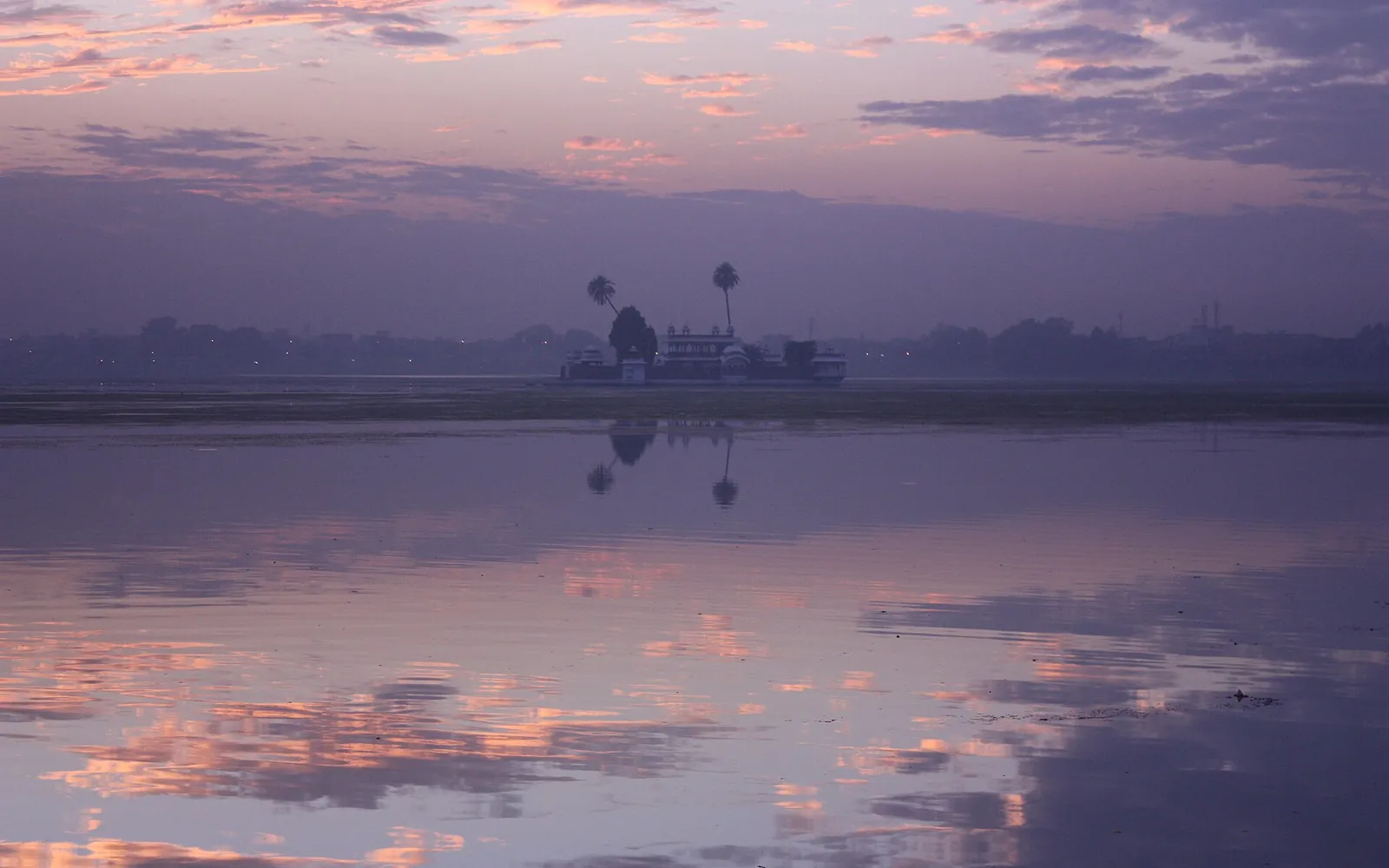
Rajasthan Tourism describes Kshar Bagh, sometimes called Saar Bagh, as the place that houses the memorial cenotaphs of the royal family of Bundi. It lies near Jait Sagar lake, on the road towards the Shikar Burj hunting lodge. The chhatris stand in a garden setting, with carved brackets, domes and friezes. It is quiet, rarely crowded and especially attractive in the low light of early morning or late afternoon.
Kshar Bagh fits naturally with Sukh Mahal and its museum, and with a walk along Jait Sagar.
Chaurasi Khambon ki Chhatri
Bundi’s most famous cenotaph stands on its own, in the south of the town. The 84-pillared cenotaph (Chaurasi Khambon ki Chhatri) was commissioned by Rao Raja Anirudh Singh as a memorial to his wet nurse, Deva, according to Rajasthan Tourism. It is a large two-storey structure on a high platform, decorated with carvings of deer, elephants and apsaras, and has been used as a venue for folk performances during Bundi Utsav.
Other memorial pavilions
Smaller chhatris are scattered on the hills around the town. Accounts mention, for example, the Suraj Chhatri on a hill to the north of Bundi. If you are looking for the group called the Sixteen Chhatris, ask your guesthouse or a local guide, and check the location on a map before you set out.
What to see
- Kshar Bagh’s garden of royal chhatris near Jait Sagar
- Carved brackets, domes and friezes typical of Hadoti stonework
- The two-storey 84-pillared cenotaph in the south of the town
- Views of Taragarh and the palace from the lakeside roads
Visiting Bundi’s cenotaphs: practical details
| Detail | Information |
|---|---|
| Where | Bundi town: Kshar Bagh near Jait Sagar; 84-pillared cenotaph in the south of the town |
| Distance from Kota | About 36 km to Bundi (Rajasthan Tourism) |
| Best time to visit | October to March, early morning or late afternoon |
| Timings | Daylight hours; some sites may be locked at times |
| Entry | Some monuments in Bundi are ticketed; check at the gate |
| Getting there | Auto-rickshaw or taxi within Bundi; car, bus or taxi from Kota |
Distances are approximate road distances. Timings and entry arrangements change, so confirm them locally before you set out.
Tips
- Photograph in soft light. The pale stone and carved details show best at the ends of the day.
- Respect the site. These are memorials; avoid climbing on the structures.
- Make it a Bundi day with the Bundi Palace and its Chitrashala murals, Taragarh Fort and the stepwells.
Combine the cenotaphs with nearby places
- Chaurasi Khambon ki Chhatri: The two-storey royal cenotaph supported by 84 carved pillars on the edge of Bundi.
- Raniji ki Baori: The queen’s stepwell, built in 1699, with carved pillars and arches.
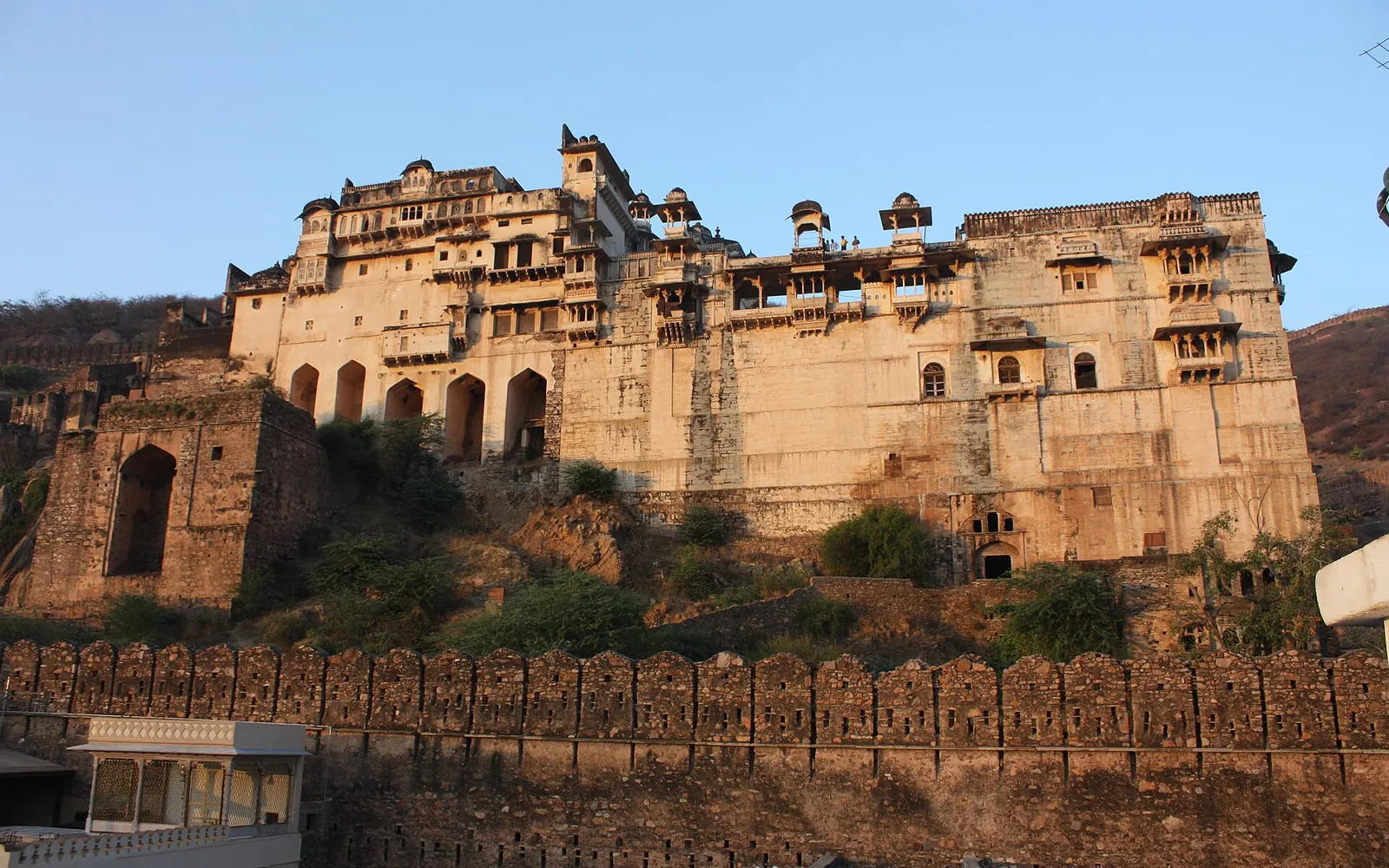
- Bundi Palace: The hillside palace celebrated for the Chitrashala and its miniature murals.
- Sukh Mahal: The small lakeside palace on Jait Sagar where Kipling stayed, now home to a museum.
Frequently asked questions
What are the Sixteen Chhatris of Bundi?
The name is used locally and on some websites for a group of cenotaphs in Bundi, but it does not appear in Rajasthan Tourism's listings and we could not confirm which group it refers to. The royal cenotaphs that are officially described are at Kshar Bagh near Jait Sagar, plus the 84-pillared cenotaph.
Where are the royal cenotaphs in Bundi?
At Kshar Bagh (also called Saar Bagh), near Jait Sagar lake and the Chhatra Vilas area, on the road towards Shikar Burj. The Chaurasi Khambon ki Chhatri stands separately in the south of the town.
What is a chhatri?
A domed, pillared pavilion, built as a memorial at the cremation place of a ruler or member of a noble family. Chhatri means umbrella or canopy.
How far is Bundi from Kota?
About 36 km by road, according to Rajasthan Tourism, so the cenotaphs fit easily into a day trip.
Sources
Editorial team
The KotaRajasthan.net team writes about the places, history and festivals of Kota and Hadoti, and corrects pages when readers point out changes.