Plan your trip
Is Kota Safe for Tourists? Practical Safety Tips for 2026
Written by Kota Rajasthan Editorial Team · Updated
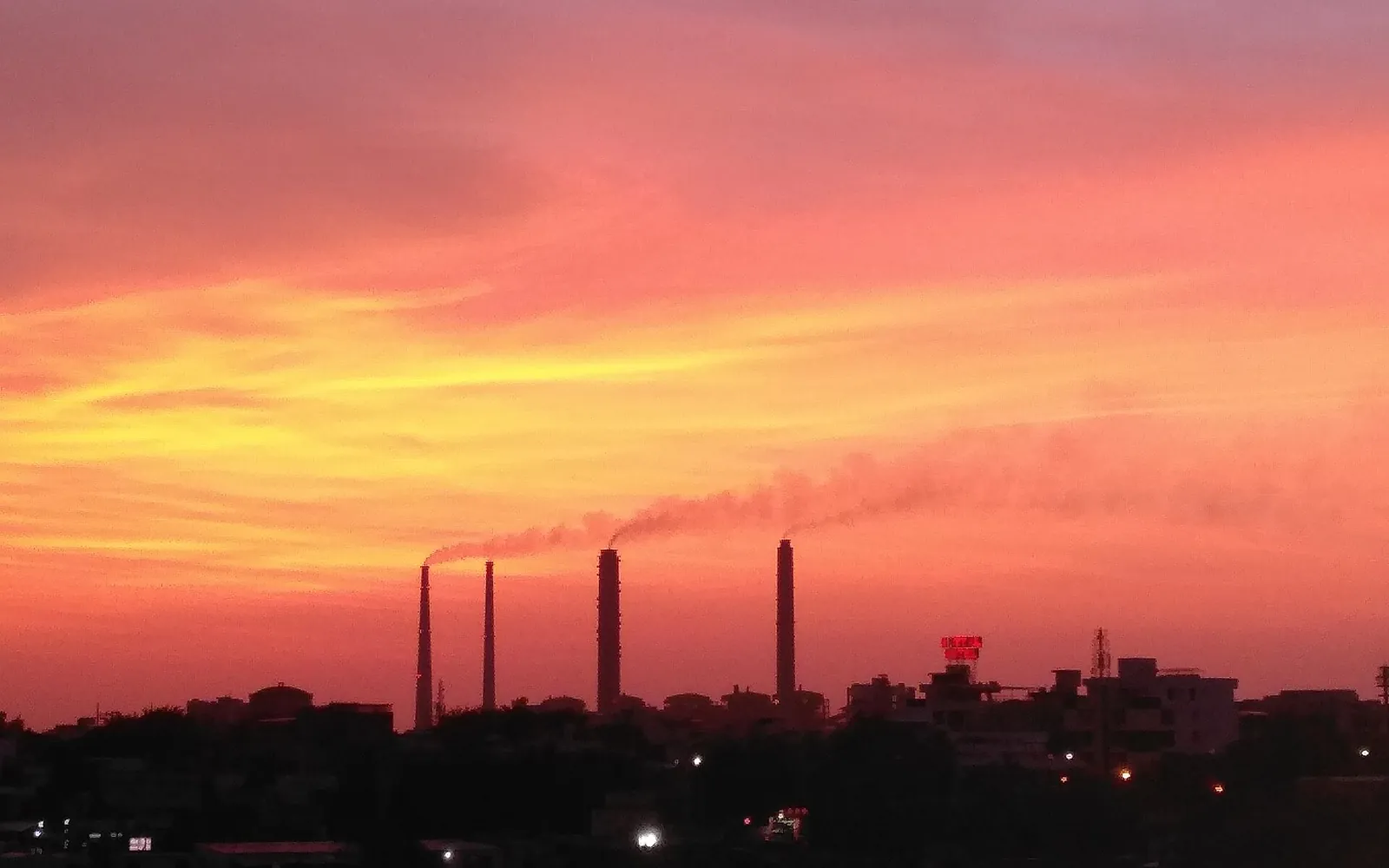
Is Kota safe for tourists? For most visitors the honest answer is yes: Kota is a large, busy working city that receives students and families from all over India every year, and a trip to its palaces, temples and riverfront usually passes without any trouble. But “safe” is not the same as “risk-free”. The problems travellers actually run into here are rarely dramatic; they are traffic, heat, water, crowds and the occasional overcharging. This guide sets out those real risks, how to handle them, and who to call if something goes wrong. We do not quote crime statistics, because city-level figures are easy to misread; we focus on what you can control.
The big picture
Kota is primarily a working and student city rather than a mass-tourism destination, so most people you meet are going about their own business, and many are students. The city’s growth around the coaching industry (see Kota, the coaching capital) means a young population, busy markets until late, and plenty of cheap food and transport.
What it does have is the ordinary set of big-city risks, plus some that come from its landscape: a major river with dams and barrages, gorges and waterfalls that flood in the monsoon, forests with wild animals, and a very hot summer.
Traffic is the biggest everyday risk
- Crossing roads takes care. Vehicles do not always stop for pedestrians, and two-wheelers can appear from any direction. Cross with locals, at junctions where you can, and look both ways even on one-way streets.
- The signal-free road plan keeps traffic moving, which is good for journey times but means fewer natural gaps; see our page on the traffic-signal-free city to understand how the flyovers and underpasses work.
- Hire a driver for day trips rather than driving yourself if you are not used to Indian roads, especially on highways at night, when unlit vehicles and animals are a hazard.
- Wear a helmet if you rent or ride a two-wheeler; it is the law and the single best thing you can do for your safety.
Heat and health
Kota’s summer is fierce. From April to June afternoon temperatures are very high, and heat exhaustion is a real risk for visitors who sightsee at midday. Plan outdoor visits for early morning and evening, carry water, wear a hat and loose cotton, and rest in the afternoon. The best time to visit Kota is October to March for exactly this reason.
For food, Kota’s street snacks, including the famous kachori, are a highlight. Choose busy stalls with high turnover, drink bottled or filtered water, and go easy on the first day if your stomach is not used to spicy food.
Water: the Chambal, dams and waterfalls
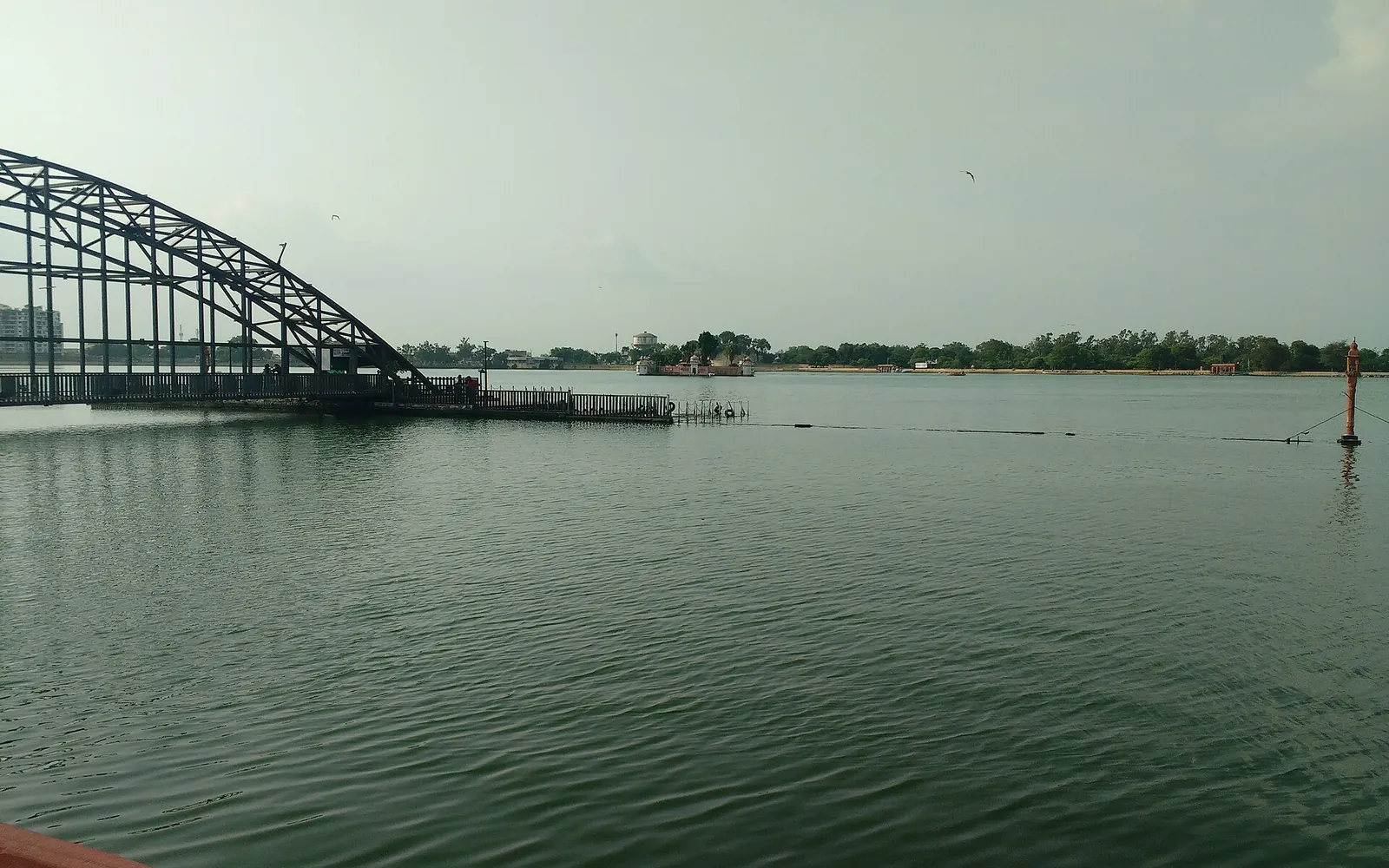
The Chambal is Kota’s great attraction and its most serious natural hazard.
- Do not swim in the river. It has strong currents, deep pools and mugger crocodiles, and the National Chambal Sanctuary downstream exists to protect gharials and other wildlife.
- Dam releases. When heavy rain fills the reservoirs upstream, gates at the Kota Barrage are opened and the river rises fast. Watching the gates open is a popular sight; do it from designated viewing areas, and follow police and district instructions on closed banks and ghats.
- Monsoon waterfalls and gorges. Places such as Garadia Mahadev, Bhimlat and Menal are at their most beautiful in the monsoon and at their most dangerous. Rock edges are slippery and unfenced, and streams can rise within minutes after rain upstream. Stay back from the edge and never cross a flowing stream.
- Boats. Use the established river safari and licensed operators, wear the life jacket you are given and follow the crew.
Crowds and festivals
The Kota Dussehra Mela and the big fairs of Hadoti draw very large crowds, especially on the night of the effigy burning. Keep phones and wallets in front pockets or a zipped bag, agree a meeting point with your group, keep children close and avoid the densest crush near barriers. Pickpocketing is the most common problem at any crowded event in India.
Getting around safely
- Auto-rickshaws: agree the fare before you get in, or use an app-based service where available, which records the route.
- At night: use registered taxis or app cabs, share your live location with someone you trust and avoid isolated stretches of the riverbank after dark.
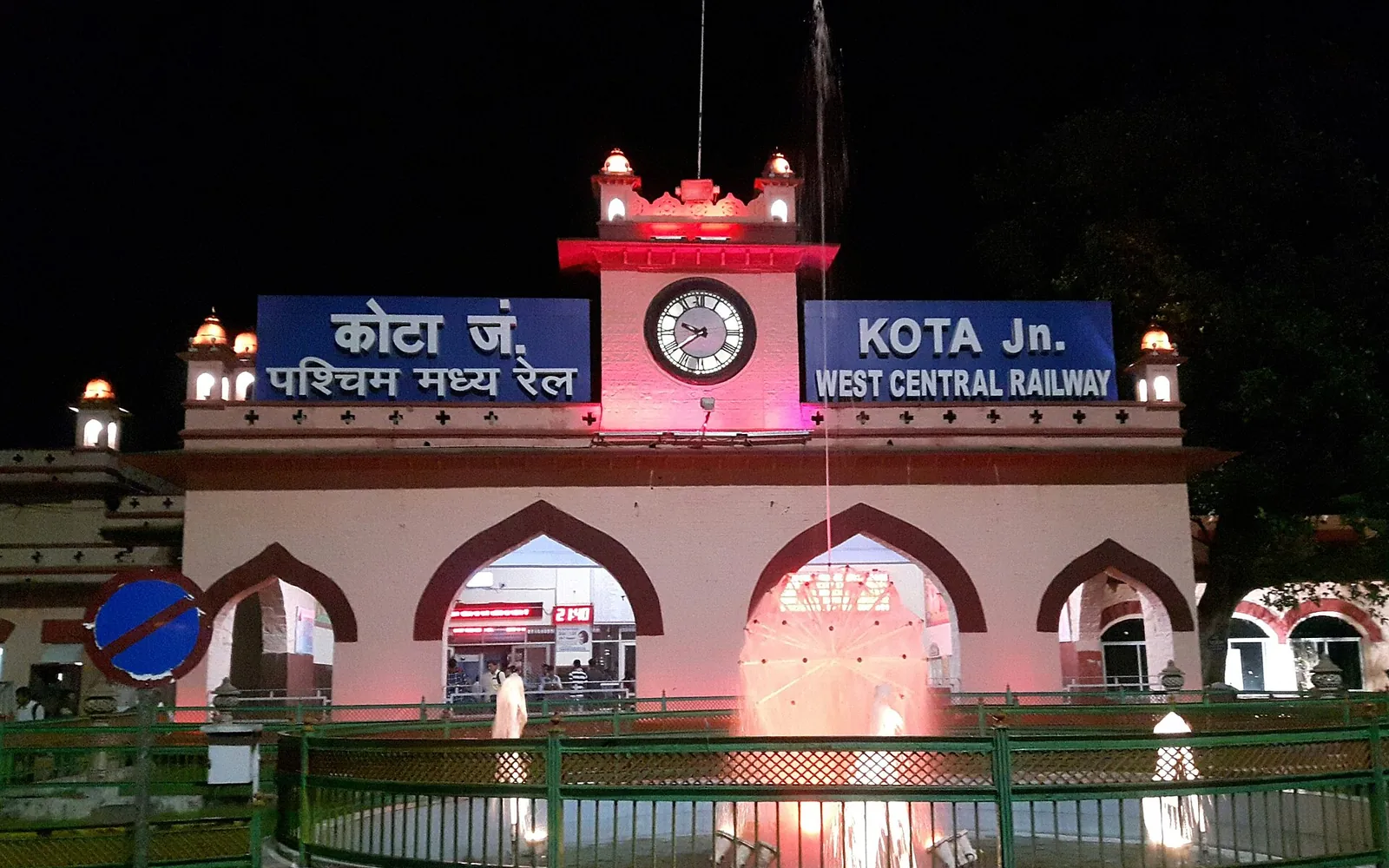
- At stations: Kota Junction is busy at all hours; keep bags in sight and use registered taxis or app-based cabs. See how to reach Kota.
Women travellers
Many of the students and young professionals in Kota are women, so women travelling alone or in pairs are not an unusual sight. Practical habits help: dress modestly, especially at temples and in the old city; book well-reviewed accommodation; prefer app cabs at night; and do not hesitate to ask a family, a shopkeeper or the police for help if someone bothers you. Calling 112 connects you to emergency services.
Wildlife areas
At Mukundara Hills and other reserves, go only with authorised vehicles and guides, stay inside the vehicle and keep to permitted zones and hours. Monkeys at temples and gardens can snatch food and bags; do not feed them.
Who to call
| Need | Number or contact |
|---|---|
| Police, fire or ambulance | 112 (India’s single emergency number) |
| Tourist information and advice in distress | 1363 or toll-free 1800-11-1363 (Ministry of Tourism, 24x7, several languages) |
| Non-emergency police matters | The nearest police station, or the Rajasthan Police website |
| Lost passport | Report to the police and contact your embassy or consulate |
Save these in your phone before you arrive, along with your hotel’s address in Hindi if you can. Keep digital copies of your ID and travel documents.
Bottom line
Kota rewards visitors with heritage, river scenery and some of the best street food in Rajasthan, and it is a straightforward city to visit. Respect the river, the heat and the traffic, keep normal city habits around valuables, and you are very likely to have a smooth trip. If you are planning your first visit, start with our one-day Kota itinerary.
Frequently asked questions
Is Kota safe for tourists?
Kota is a big, ordinary Indian city with a large student population, and most visitors have no problems. Use the same precautions you would in any large city, and pay special attention to traffic, heat, water safety and crowds.
Is Kota safe for solo female travellers?
Many women travel to and through Kota, including large numbers of students. Dress modestly at religious sites, use registered taxis or app cabs at night, share your live location with someone you trust and stay in well-reviewed accommodation.
What is the emergency number in Kota?
Dial 112, India's single emergency number, for police, fire and ambulance. The Ministry of Tourism's tourist helpline 1363 (toll-free 1800-11-1363) gives information and advice to travellers in several languages.
Is it safe to swim in the Chambal at Kota?
No. The Chambal has strong currents, deep water and mugger crocodiles, and water levels change quickly when dam gates are opened. Enjoy the river from the banks, the riverfront or a licensed boat.
Is Kota safe during the Dussehra Mela?
The fair is a big public event with heavy crowds on the main nights. Keep valuables close, agree a meeting point with your group and avoid the densest crush around the effigy burning if you have children with you.
Sources
Editorial team
The KotaRajasthan.net team writes about the places, history and festivals of Kota and Hadoti, and corrects pages when readers point out changes.