Hadoti day trips
Savan Bhado Falls: History, Timings and Visitor Guide
Written by Kota Rajasthan Editorial Team · Updated
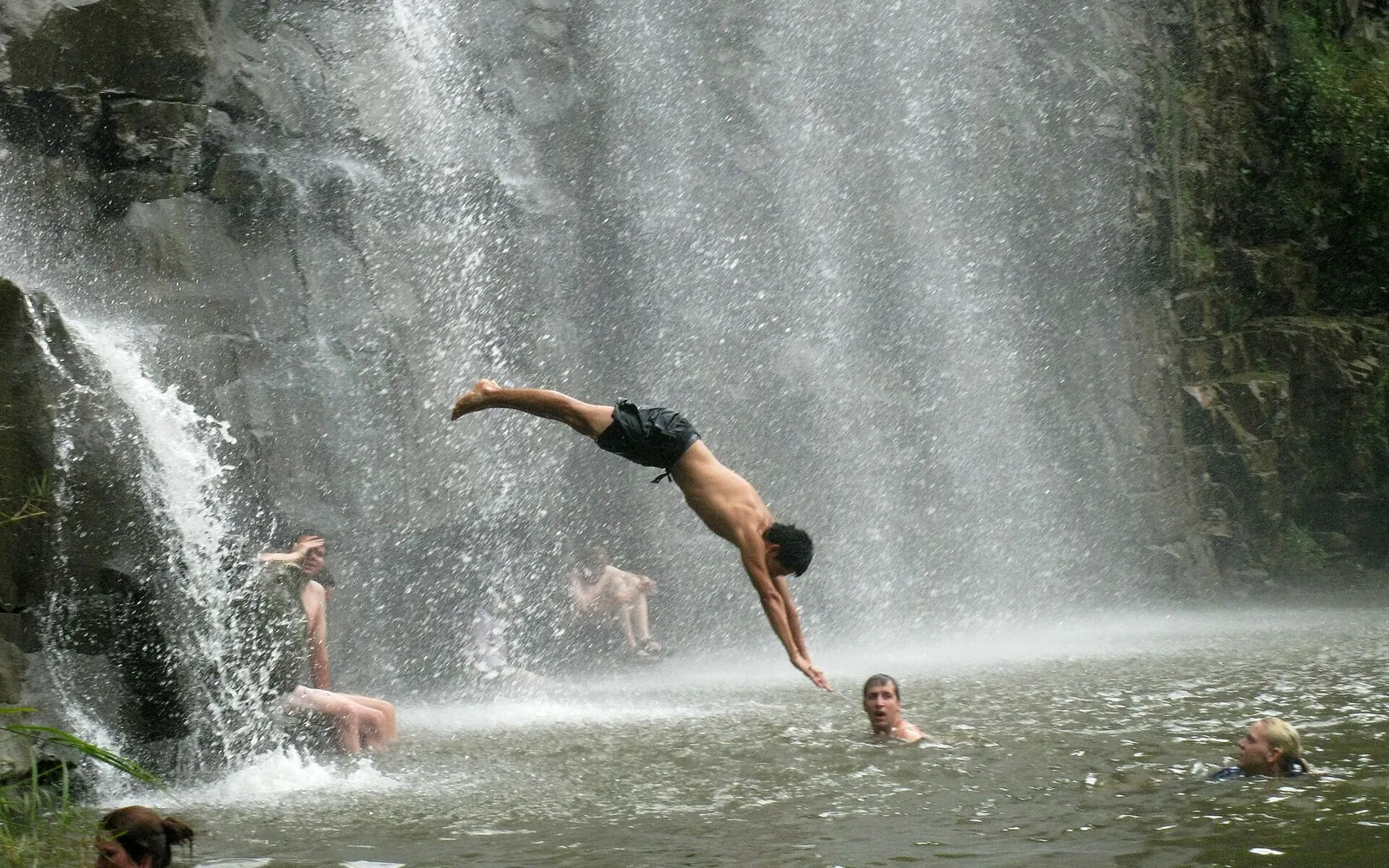
Savan Bhado Falls takes its evocative name from Sawan and Bhado, the monsoon months of the Hindu calendar, and it is in these rain-soaked weeks that the falls come thundering to life. Tucked into the wooded hills of the Hadoti region, the waterfall spills down rocky ledges into a green, secluded setting that feels a world away from the plains.
The journey out, through countryside and low hills, is part of the pleasure, and the falls reward monsoon travellers with the sight and sound of water in full spate amid lush surroundings. In the dry season the flow thins, so timing your visit to the rains makes all the difference.
History of Savan Bhado Falls
Seasonal waterfalls like Savan Bhado are fed by the monsoon runoff of the Hadoti hills, and have long been enjoyed by local communities as places of natural beauty during the rains.
Their names, drawn from the monsoon months, reflect how deeply the rhythm of the seasons is woven into the region’s relationship with its landscape.
What to see at Savan Bhado Falls
- Waterfall named for the monsoon months
- Lush green hill surroundings
- Spectacular flow in the rains
- Secluded, offbeat setting
- Scenic countryside drive
Visiting Savan Bhado Falls: practical details
| Detail | Information |
|---|---|
| Where | Nearby Getaway |
| Distance from Kota | About 90 km |
| Best time to visit | July to September during the monsoon |
| Timings | Best visited in daylight hours |
| Entry | Free or nominal |
| Getting there | About 90 km from Kota in the Hadoti hills; reachable by taxi or own vehicle, best in the rains. |
Distances are approximate road distances. Timings and entry charges change from season to season, so confirm them locally or with the district tourist office before you set out.
Combine Savan Bhado Falls with nearby places
- Mukundara Hills Tiger Reserve: A tiger reserve just south of Kota, formed from the former Darrah National Park, with dry deciduous forest, rivers and historic ruins.
- Geparnath Waterfall: A secluded waterfall and ancient Shiva temple set at the bottom of a steep gorge near the Chambal, reached by a long flight of steps.
- Chambal River: The mighty Chambal, one of India’s cleanest rivers, flows through Kota and shapes the city’s gardens, riverfront, wildlife and daily life.
- Bhainsrorgarh Fort: A dramatically sited fort on a narrow cliff above the Chambal River, now a heritage hotel, offering stunning river views.
Frequently asked questions
How do I get to Savan Bhado Falls from Kota?
About 90 km from Kota in the Hadoti hills; reachable by taxi or own vehicle, best in the rains.
When is the best time to visit Savan Bhado Falls?
July to September during the monsoon.
What are the timings and entry charges for Savan Bhado Falls?
Timings: Best visited in daylight hours. Entry: Free or nominal. Both change, so check locally before you go.
What is Savan Bhado Falls known for?
Seasonal monsoon waterfall.
Sources
Editorial team
The KotaRajasthan.net team writes about the places, history and festivals of Kota and Hadoti, and corrects pages when readers point out changes.