Palaces and heritage
Alnia Dam Rock Paintings Kota: Prehistoric Art Guide
Written by Kota Rajasthan Editorial Team · Updated
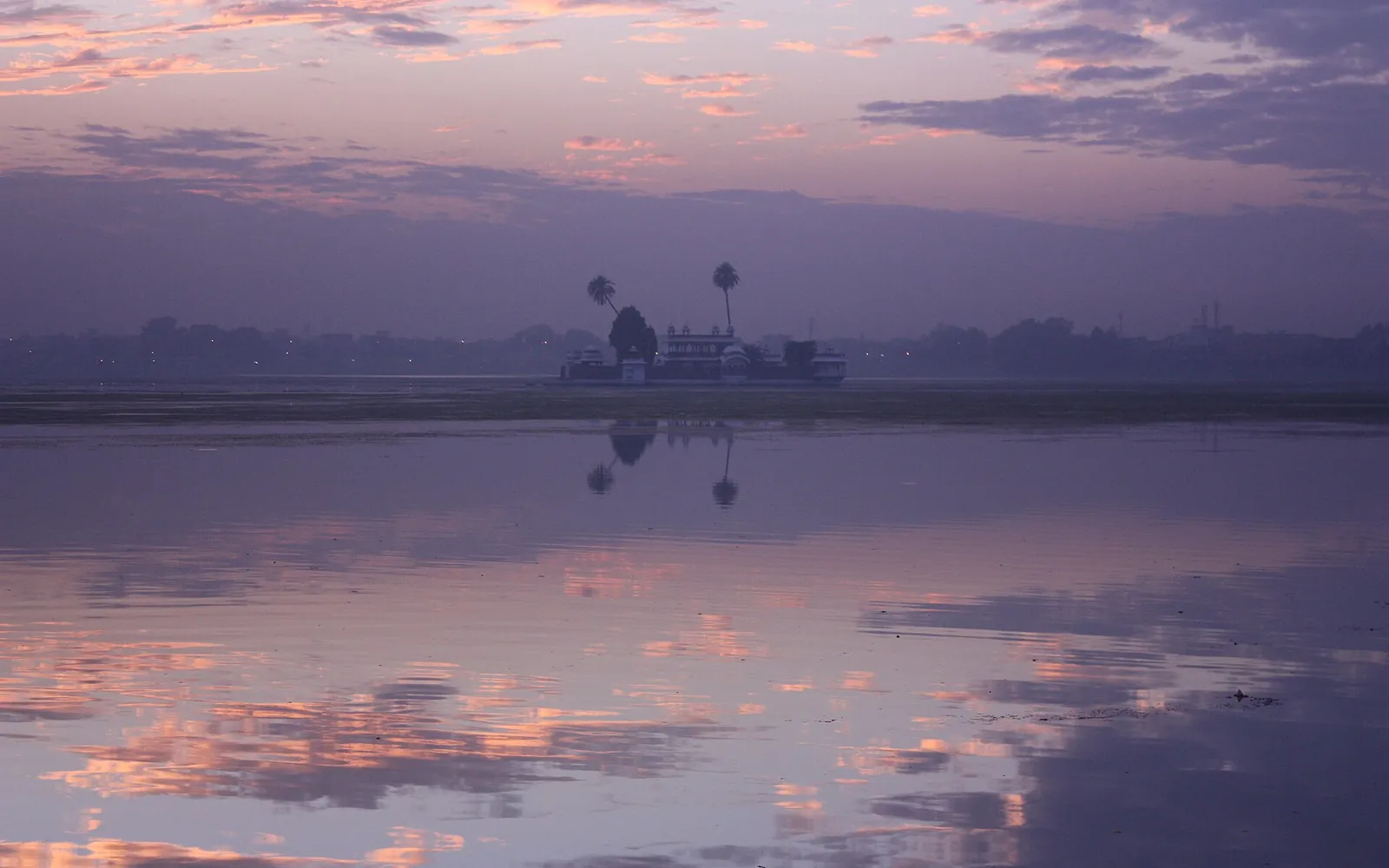
The Alnia Dam is a peaceful spot on the Alnia River, a small reservoir set among rocky, wooded country that makes for a lovely, uncrowded picnic outing. But what makes it truly special for the curious traveller is what lies on the rocks nearby: prehistoric rock paintings, believed to be many thousands of years old, left by the earliest inhabitants of this land.
These ancient artworks, ochre-hued figures and motifs on the stone, connect the Kota region to India’s deep prehistoric past, part of a wider belt of rock art found across the ravines of central India. Seeing them in their natural rock-shelter setting, beside the calm water, is a quietly moving experience.
History of Alnia Dam & Prehistoric Rock Paintings
Rajasthan Tourism describes the Alnia Dam rock paintings as one of Kota’s must-see attractions, renowned for paintings that date back to the Upper Palaeolithic age, still in good condition, on the bank of the river. Wikipedia’s article on the Hadoti region likewise notes a significant number of rock paintings in the region, particularly around Darra and Alnia. Exact dates for individual paintings are hard to establish, and published figures vary, so treat any precise age you hear on site with caution; “prehistoric, and in places very old indeed” is the honest summary.
The Alnia is a tributary of the Chambal, and its rocky banks offered the overhangs and smooth surfaces early people used for painting across central India. The best-known comparison is Bhimbetka in Madhya Pradesh, a UNESCO World Heritage Site, whose rock shelters show how such paintings were made over thousands of years.
The Alnia Dam itself is a modern irrigation structure whose reservoir now provides a scenic backdrop to this ancient art.
Looking at rock art
Rock paintings in this part of India are usually in red or ochre, sometimes with white, made from mineral pigments. Typical subjects include animals, hunting scenes with bows and spears, people dancing or in groups, and geometric signs. Look for:
- Overlapping layers, where later figures are painted over older ones.
- Stick figures and boxed bodies, two common ways of drawing people.
- Animals such as deer, bison-like cattle and other game.
Go in the morning, when side light makes faded lines easier to see, and take binoculars for panels high on the rock.
Protect what you see
Rock art is fragile and irreplaceable. Never touch, wet, chalk or trace the paintings to make them clearer for photos, do not light fires under overhangs, and do not add graffiti. Report fresh damage to the district archaeology or tourism office. For the region’s officially protected sites, see protected monuments in Hadoti, and for the nearby Mukundara Hills Tiger Reserve, where the Darra area also has old remains, see its page.
What to see at Alnia Dam & Prehistoric Rock Paintings
- Ancient prehistoric rock paintings
- Scenic Alnia Dam and reservoir
- Natural rock-shelter setting
- Rare blend of nature and archaeology
- Peaceful, uncrowded picnic spot
- A link to the region’s Stone Age past
Visiting Alnia Dam & Prehistoric Rock Paintings: practical details
| Detail | Information |
|---|---|
| Where | Kota district, on the Alnia river |
| Distance from Kota | About 22 km |
| Best time to visit | October to March; after the monsoon for a fuller reservoir |
| Timings | Daylight hours |
| Entry | Free |
| Getting there | About 22 km from Kota; best reached by own vehicle or hired taxi. |
Distances are approximate road distances. Timings and entry charges change from season to season, so confirm them locally or with the district tourist office before you set out.
Combine Alnia Dam & Prehistoric Rock Paintings with nearby places
- Garadia Mahadev Viewpoint: A breathtaking clifftop viewpoint over the Chambal gorge, with a Shiva temple and one of the most spectacular panoramas in Rajasthan.
- Geparnath Waterfall: A secluded waterfall and ancient Shiva temple set at the bottom of a steep gorge near the Chambal, reached by a long flight of steps.
- Bhitariya Kund: A serene traditional kund (water tank) near Kota, a peaceful spot associated with a small shrine and quiet local devotion.
- Chambal River: The mighty Chambal, one of India’s cleanest rivers, flows through Kota and shapes the city’s gardens, riverfront, wildlife and daily life.
Frequently asked questions
How do I get to Alnia Dam & Prehistoric Rock Paintings from Kota?
About 22 km from Kota; best reached by own vehicle or hired taxi.
When is the best time to visit Alnia Dam & Prehistoric Rock Paintings?
October to March; after the monsoon for a fuller reservoir.
What are the timings and entry charges for Alnia Dam & Prehistoric Rock Paintings?
Timings: Daylight hours. Entry: Free. Both change, so check locally before you go.
How old are the Alnia rock paintings?
Rajasthan Tourism says they date back to the Upper Palaeolithic age. Dating individual paintings is difficult and figures vary, so treat precise ages with caution.
Sources
Editorial team
The KotaRajasthan.net team writes about the places, history and festivals of Kota and Hadoti, and corrects pages when readers point out changes.