
Chambal Mata Temple & Gate
The spiritual anchor of the riverfront. The Chambal is revered as a mother goddess, and this grand temple-gate honours her — a reminder that for the people of Kota the river is not just water, but a living deity.
A six-kilometre parade of monumental ghats, gates and sculptures — billed as the largest riverfront in the world.
Along the eastern bank of the Chambal, Kota has built something without parallel in India — a heritage riverfront stretching more than six kilometres, conceived not as a park but as an open-air monument to art, faith and craftsmanship. Opened in stages in 2022–2023, it has quickly become the city's proudest landmark and its biggest tourist draw.
What makes the riverfront extraordinary is that every section tells a story. Rather than a single uniform promenade, it is a sequence of grand set-pieces — a temple to the river goddess, a record-breaking bell, a giant Nandi, and a long run of themed ghats — each designed to be admired on its own. Below is a guide to the major parts and the reason each one exists.
The spiritual anchor of the riverfront. The Chambal is revered as a mother goddess, and this grand temple-gate honours her — a reminder that for the people of Kota the river is not just water, but a living deity.
Suspended at the Chambal Mata precinct is a colossal bell said to be among the largest in the world, cast in bell-metal. It was created as a signature landmark — a sound and sight to announce the riverfront to the world.
An enormous sculpted Nandi — the sacred bull and mount of Lord Shiva — gazes across the water. It reflects the deep Shaivite devotion of the Hadoti region, home to ancient Shiva shrines like Kansua and Geparnath.
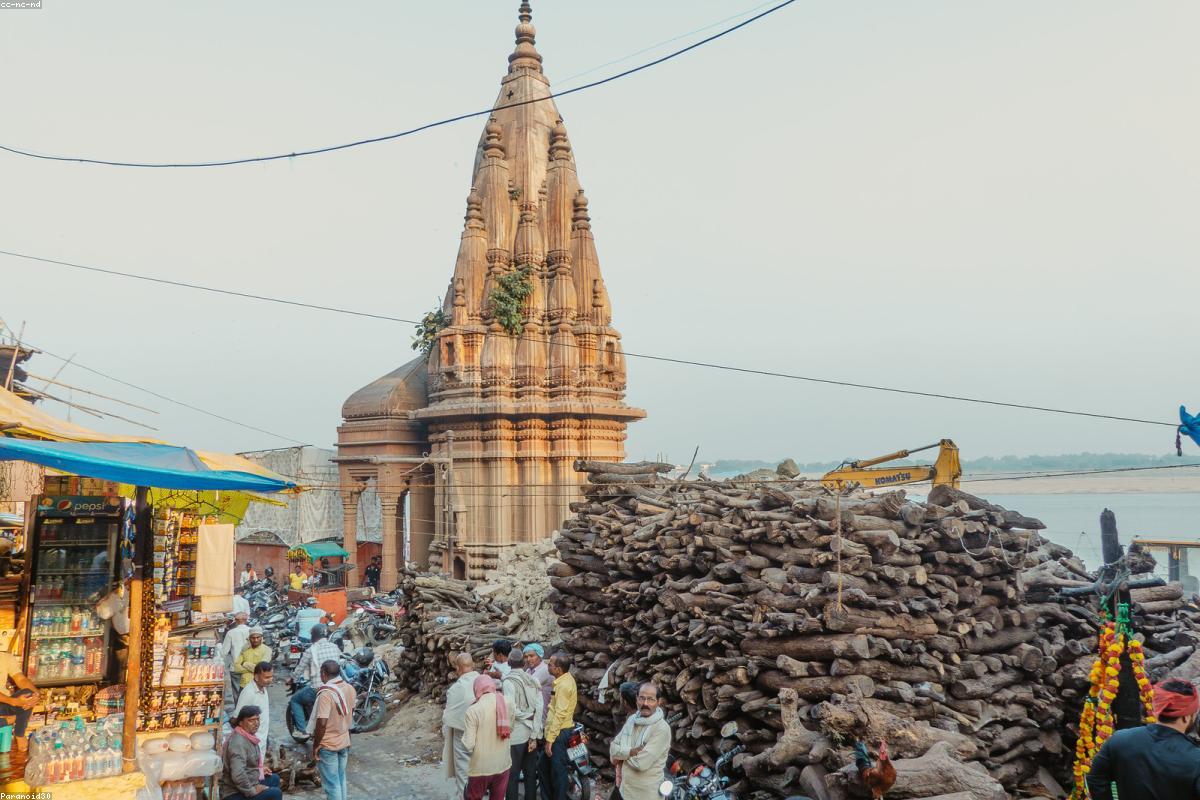
The riverfront's long parade of ghats is its masterpiece. Each ghat is designed around a distinct theme — from different artistic eras and cultures to Rajasthan's own heritage — so that a walk along the water becomes a journey through history and craft.
Monumental carved gateways celebrate the Hadoti identity and the craftsmanship of Rajasthani stone-carvers. They frame the promenade and echo the grandeur of Kota's old palace architecture.
As dusk falls, musical fountains and illuminated ghats transform the riverfront into a spectacle of colour and sound — the most popular time to visit for families and photographers.
Gentle boat rides let you see the monuments from the water, while the kilometres-long river walk is perfect for an evening stroll with the Chambal on one side and grand architecture on the other.
For decades the Chambal flowed past Kota with much of its bank underused. The riverfront project set out to reclaim that edge for the public — creating a world-class civic space that would give Kota a tourism identity beyond coaching and industry, generate livelihoods, and celebrate the river that has sustained the city since its earliest days. The result is a landmark that has put Kota firmly on Rajasthan's tourist map.
Pair the riverfront with a Chambal boat safari, a heritage walk, and Kota's famous kachori.
Your feedback helps us improve our Kota travel guides.